Ever felt the frustration of your car’s air conditioning not working on a hot day? It’s a struggle you can avoid by understanding how to test the AC pressure switch with a multimeter.
This small but crucial component plays a big role in ensuring your AC functions smoothly. By learning this simple testing method, you can diagnose issues early, potentially saving you time and money on costly repairs. Imagine the relief of a cool, comfortable ride, knowing you’ve got the skills to keep your AC in top shape.
Dive into this guide, and empower yourself with the knowledge to maintain your car’s AC system with confidence.
Credit: www.fluke.com
Understanding The Ac Pressure Switch
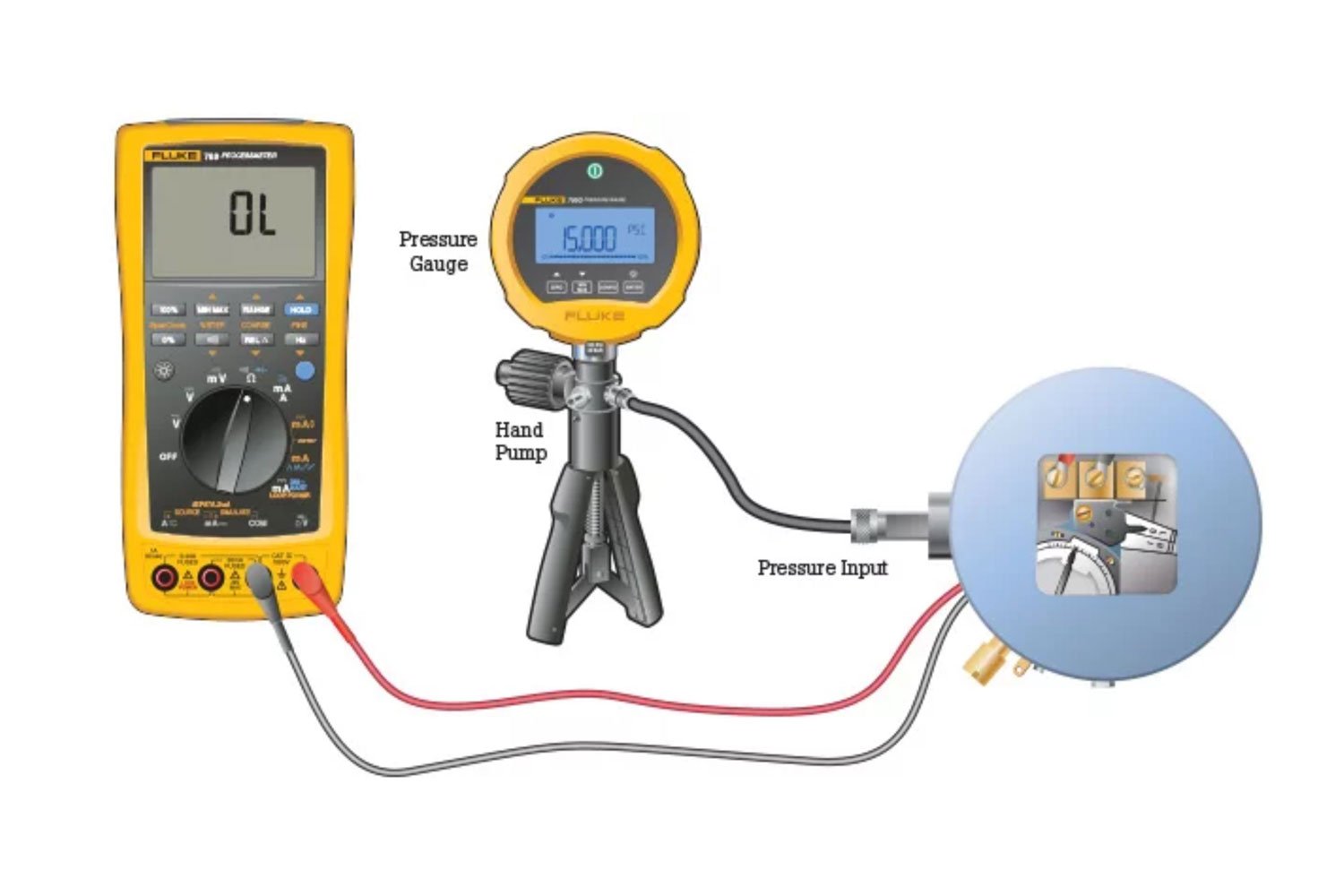
Testing the AC pressure switch with a multimeter ensures proper function of your air conditioning system. Set the multimeter to measure resistance. Connect it to the switch terminals. A reading of zero or infinity indicates a faulty switch.
Understanding the AC Pressure Switch The AC pressure switch is a small but essential component in your vehicle’s air conditioning system. Its primary function is to monitor the pressure of the refrigerant and ensure that the AC system operates efficiently. If the pressure is too low or too high, the switch triggers a response to protect the system from damage.Role In The Ac System
The AC pressure switch acts as a safeguard for your air conditioning system. It helps maintain optimal pressure levels, which is crucial for the system’s performance and longevity. Without it, your AC could face serious issues, such as compressor damage. Imagine driving on a hot summer day, and suddenly your AC starts blowing warm air. The pressure switch might be at fault. By regulating the refrigerant pressure, it ensures you have a comfortable ride, regardless of the weather outside.Common Symptoms Of Malfunction
A faulty AC pressure switch can manifest in several ways. One common symptom is the AC compressor not engaging, leaving you without cool air. Another sign could be the AC system cycling on and off frequently, which can lead to inconsistent cooling. Have you ever noticed strange noises coming from your AC system? It could be the pressure switch acting up. These symptoms not only disrupt your comfort but may also indicate potential damage to the AC system. Testing the pressure switch with a multimeter can help you diagnose the problem and take corrective action. Is your AC system giving you trouble? What symptoms have you noticed, and how might they point to a pressure switch issue? Taking the time to understand this small but vital component can save you from more significant problems down the road.Tools And Equipment Needed
Testing an AC pressure switch with a multimeter requires a few basic tools. Essential items include a reliable multimeter and insulated gloves for safety. Ensure the AC system is off before connecting the multimeter probes to the switch terminals.
Testing an AC pressure switch with a multimeter can save you time and money, but having the right tools and equipment is crucial. Without them, you might find yourself stuck or even risk damaging your AC system. Let’s dive into what you need to get started and ensure your testing process is smooth and efficient.Selecting The Right Multimeter
Choosing a multimeter isn’t just about picking the first one you see. You want a device that’s accurate and easy to use. Look for a digital multimeter with a clear display and a range that covers both voltage and resistance. If you’re unsure, ask a store expert or check online reviews for reliability. Your multimeter is the key player in this task, so invest wisely.Safety Gear And Precautions
Safety should always be your priority when dealing with electrical components. Wear insulated gloves to protect your hands from potential shocks. Safety goggles are essential to shield your eyes from sparks or flying debris. Never skip this step; a little precaution goes a long way in preventing accidents. Consider this: what would you do if you accidentally touched a live wire? Safety gear can be the difference between a minor scare and a major injury. Always double-check your equipment before starting your testing process. Don’t forget to turn off the AC unit and unplug it before beginning. This simple action can prevent unnecessary risks. And remember, a well-prepared person is a safe person. By focusing on these tools and safety measures, you’re setting yourself up for success. Are you ready to test your AC pressure switch with confidence?Preparing For The Test
Testing an AC pressure switch with a multimeter is simple. First, turn off the car engine. Next, disconnect the switch’s connector. Then, set the multimeter to continuity mode. Finally, touch the multimeter probes to the switch terminals. A beep indicates the switch works fine.
Preparing for the test is crucial when checking your AC pressure switch. Proper preparation ensures safety and accurate results. Before diving into the testing process, make sure you have everything ready. This includes understanding the location of the switch and ensuring the system is off.Locating The Ac Pressure Switch
Start by finding the AC pressure switch. It’s usually near the AC compressor. Check your vehicle’s manual for precise location details. The switch might be hidden under hoses or cables. Carefully inspect the area around the compressor. This ensures you locate the switch without damaging any components.Ensuring System Is Off
Safety first. Turn off the AC system before testing. This prevents electric shock or damage. Disconnect the battery to cut off power supply completely. Wait a few minutes after turning off the system. This lets any residual electricity dissipate. Always double-check that everything is off before proceeding.
Credit: tameson.com
Testing The Pressure Switch
Testing an AC pressure switch with a multimeter ensures proper function and efficiency. Begin by disconnecting the switch from the system. Use the multimeter to check for continuity, which reveals if the switch operates correctly.
Testing the pressure switch in your AC system might seem daunting, but it’s a straightforward process once you break it down. With a multimeter, you can check whether the pressure switch is working properly, saving you from unnecessary repairs. Imagine the relief of diagnosing a problem without the need for costly professional intervention. Let’s dive into this practical task and empower you with the knowledge to tackle it confidently.Setting Up The Multimeter
First, familiarize yourself with your multimeter. If you’ve never used one before, don’t worry. It’s simpler than it looks. Choose the continuity setting, often marked with a diode symbol. This setting will help you determine if the pressure switch is making a connection. Before you start, ensure the AC system is off. Safety is paramount, and you don’t want any surprises. Connect the probes to the multimeter. Typically, the red probe goes into the VΩmA socket, and the black one into the COM socket.Measuring Continuity
Now, it’s time to measure continuity. Place the multimeter probes on the pressure switch terminals. The aim here is to see if there’s a continuous electrical path. If the multimeter beeps or shows a zero reading, the switch is closed, indicating a good connection. No sound or a very high reading? That means the circuit is open, and the switch might be faulty. It’s like finding a missing piece in a puzzle. Does this sound familiar from a past DIY project?Interpreting Results
Understanding the multimeter’s results is crucial. A closed circuit means the pressure switch is working fine. You can give yourself a pat on the back. If the circuit is open, it’s time to consider replacing the switch. Think about this: How often do small, overlooked issues in appliances lead to bigger problems? Catching them early can save you time and money. Have you ever fixed something small that avoided a major breakdown later? Testing your AC pressure switch with a multimeter is a skill worth mastering. It not only helps in maintaining your AC system but also boosts your confidence in handling minor electrical tasks. Are you ready to take control of your home maintenance?Troubleshooting Common Issues
Testing an AC pressure switch with a multimeter can reveal hidden issues. Troubleshooting common problems ensures your air conditioning system runs smoothly. A faulty pressure switch might cause cooling failures or unexpected shutdowns. Understanding the symptoms helps pinpoint the exact problem. Regular testing and maintenance can save you time and money.
Dealing With Inaccurate Readings
Inaccurate readings can mislead your troubleshooting efforts. Ensure the multimeter is properly calibrated before testing. Check the connections to avoid false results. A loose wire might cause fluctuating readings. Clean the probes and switch contacts to improve accuracy. Verify the multimeter settings match the type of test needed.
When To Consider Replacement
Sometimes, replacement is the best solution for a faulty switch. If the switch fails tests repeatedly, consider replacing it. Frequent malfunctions might indicate internal wear. Listen for unusual noises from the switch. If cleaning and testing don’t solve the issue, replacement is necessary. Always choose a compatible pressure switch for your system.
Maintenance Tips
Maintaining your AC system is crucial for its longevity and efficiency. Regular maintenance helps prevent unexpected failures and costly repairs. Testing the AC pressure switch with a multimeter is a key part of upkeep. Follow these tips to ensure your AC system stays in top shape.
Regular Checks And Inspections
Check your AC system regularly. Inspect the pressure switch for signs of wear. Look for loose connections or corrosion. Make sure all wires are secure. These small checks can prevent larger problems.
Use a multimeter to test the pressure switch. This ensures it functions correctly. A faulty switch can cause your AC to malfunction. Regular inspections help catch these issues early.
Prolonging The Life Of Your Ac System
Maintain your AC system to extend its lifespan. Clean the unit regularly. Dust and debris can cause blockages. This affects performance and efficiency.
Check refrigerant levels often. Low levels can cause the system to overwork. This leads to faster wear and tear. Keeping the system clean and well-maintained helps prevent this.
Schedule professional maintenance annually. Experts can spot problems early. They offer solutions that prolong the life of your AC system. Regular professional checks complement your own inspections.

Credit: www.youtube.com
Frequently Asked Questions
How Do You Test A Pressure Switch With A Multimeter?
To test a pressure switch with a multimeter, disconnect power and remove wires. Set multimeter to continuity mode. Connect probes to switch terminals. Activate the switch; a reading indicates operation. No reading means faulty switch. Ensure all safety precautions.
How To Know If A Pressure Switch Is Bad?
Check for inconsistent cycling, no water pressure, or unusual sounds. Inspect for visible damage or burnt contacts. Use a multimeter to test electrical continuity. If the switch fails these checks, it may be faulty. Consult a professional if unsure. Regular maintenance can prevent pressure switch issues.
What Voltage Should A Pressure Switch Read?
A pressure switch typically reads 24 volts for low-voltage systems and 120 or 240 volts for high-voltage systems. Always check your equipment manual for exact specifications. Proper voltage ensures optimal performance and safety.
How To Test Ac Control Switch?
To test an AC control switch, first disconnect power. Use a multimeter to check continuity. Ensure the switch is properly installed. Inspect wires for damage and replace if necessary. Verify functionality by turning the AC on and off. Consult a professional if issues persist.
Conclusion
Testing the AC pressure switch with a multimeter is straightforward. Start by ensuring safety. Disconnect power before beginning. Follow the steps for accurate results. Proper testing prevents future issues. A functional switch ensures efficient AC performance. Remember to handle the multimeter carefully.
Double-check all connections for safety. Regular maintenance extends your AC’s lifespan. Testing skills grow with practice. Now you’re ready to tackle AC problems. Keep your multimeter handy. Happy testing!