Are you struggling to diagnose issues with your AC motor? Whether you’re a seasoned DIY enthusiast or a curious beginner, knowing how to test an AC motor with a multimeter can save you time, money, and frustration.
Imagine the confidence you’ll feel when you can pinpoint problems on your own, without having to call in expensive experts. This guide is designed to empower you with simple, actionable steps to effectively test your AC motor using a multimeter.
By the end of this article, you’ll have the skills needed to troubleshoot like a pro, ensuring your motor runs smoothly and efficiently. Ready to take control of your repairs? Let’s dive in!
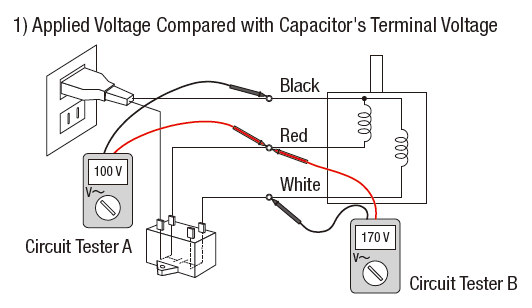
Credit: blog.orientalmotor.com
Ac Motor Basics
AC motors are essential in many applications today. They convert electrical energy into mechanical energy. Understanding their basics helps in testing and maintaining them. Knowing different types and components aids in troubleshooting.
Types Of Ac Motors
AC motors come in two main types: synchronous and asynchronous. Synchronous motors maintain constant speed. Their rotor turns at the same rate as the magnetic field. Asynchronous motors, also known as induction motors, have a different speed. The rotor turns slower than the magnetic field.
Common Motor Components
AC motors have several key components. The stator generates a magnetic field. It is stationary. The rotor turns and produces mechanical energy. Bearings support the rotor. They reduce friction. The housing protects the motor. It keeps dust and moisture out.
Multimeter Essentials
Understanding multimeter essentials is crucial for testing an AC motor. A multimeter is a handy tool that measures electrical properties. It helps diagnose motor problems efficiently. Knowing its functions and safety precautions is important for accurate results.
Multimeter Functions
A multimeter can measure voltage, current, and resistance. For AC motors, use the voltage function first. It checks if the motor receives power. Set the multimeter to AC voltage. Connect the probes to the motor terminals. Read the displayed voltage on the screen. This shows the power supply level.
Next, switch to the resistance function. This identifies issues in motor windings. Set the multimeter to ohms. Touch the probes to the motor winding terminals. Observe the resistance value. A low reading may indicate a short circuit. A high reading suggests an open circuit.
Safety Precautions
Safety is vital when using a multimeter. Always wear protective gear. Gloves and goggles protect against electrical hazards. Ensure the motor is off before testing. This prevents accidental electric shock.
Check the multimeter’s condition. Look for any damage or wear. Damaged meters can give incorrect readings. Use properly insulated probes. Avoid touching metal parts during tests. This minimizes the risk of electric shock.
Follow proper handling instructions. Read the multimeter manual carefully. Understanding its operation prevents errors. Keep the testing area dry. Wet conditions increase the risk of accidents. Ensure all connections are secure before starting tests.
Preparation Steps
Start by gathering necessary tools: a multimeter and safety gear. Ensure power is off before testing. Connect multimeter probes to motor terminals for resistance, voltage, and continuity checks.
Testing an AC motor with a multimeter can seem daunting, especially if it’s your first attempt. However, with the right preparation, you can tackle this task with confidence. Before diving into the technical aspects, it’s crucial to lay the groundwork. These preparation steps will ensure you’re well-equipped and minimize the chances of errors.Gathering Tools
Start with gathering the essential tools. Your primary tool will be a reliable multimeter capable of measuring voltage, resistance, and continuity. Ensure it’s fully charged or has fresh batteries to avoid interruptions. Additionally, you’ll need a set of screwdrivers to access the motor terminals. A notebook and pen can be handy for jotting down readings. Consider wearing protective gloves and goggles for safety, especially if you are working in a high-voltage environment.Initial Motor Inspection
Before you start testing, perform a visual inspection of the motor. Look for visible signs of damage, such as burnt marks or corrosion. These could indicate underlying issues that need addressing before testing. Ensure the motor is disconnected from any power source to avoid electrical hazards. It might seem like a basic step, but skipping it could lead to dangerous outcomes. Use this time to familiarize yourself with the motor’s connections and labels. Understanding where each wire leads can save you a lot of guesswork later. Are there any unusual sounds or vibrations when the motor runs? These could be clues to internal issues that a multimeter might not detect. Addressing them early can prevent further complications. Taking these steps seriously will set you up for a smooth testing process. What other preparations do you find essential when working with electronics? Share your thoughts and experiences in the comments below!Testing Motor Continuity
Testing motor continuity is crucial for ensuring the AC motor functions well. Continuity testing checks if current flows smoothly through the motor. This helps identify breaks or faults in the motor windings. Using a multimeter simplifies this process. Follow these steps for accurate results.
Setting Up The Multimeter
Start by preparing your multimeter. Set it to the continuity setting. This is often marked by a sound wave symbol. Ensure the multimeter is working correctly. Test it by touching the probes together. The multimeter should beep. This confirms it’s ready for use.
Next, disconnect the motor from power sources. Safety is important. Remove any connections to prevent electric shock. Once disconnected, locate the motor terminals. These are points where you will place the multimeter probes.
Checking Winding Resistance
Place the multimeter probes on the motor terminals. Check the reading on the multimeter display. A low resistance value indicates good winding continuity. This means the motor windings are intact.
If the multimeter shows a high resistance, there’s a break in the winding. This can cause the motor to malfunction. Repeat the test to ensure accuracy. Move the probes to different terminals. Compare resistance values for consistency.
Regular testing helps maintain motor efficiency. It prevents unexpected breakdowns. Use these steps to keep your AC motor in top shape.
Testing Insulation Resistance
Testing insulation resistance on an AC motor involves using a multimeter to ensure safety and efficiency. Begin by disconnecting the motor and setting the multimeter to resistance mode. Measure the resistance between the motor windings and the ground, ensuring values meet the manufacturer’s specifications.
Testing insulation resistance is a critical step when assessing the health of an AC motor using a multimeter. By ensuring the motor’s insulation is intact, you prevent electrical leaks that could lead to failures or safety hazards. Imagine the frustration of a motor failing unexpectedly due to overlooked insulation issues. Let’s dive into the essentials of checking insulation resistance with a multimeter.Understanding Insulation Importance
Insulation protects the motor’s electrical components from moisture and dirt, ensuring smooth operation. If the insulation fails, the motor can short-circuit, leading to costly repairs. Consider your home’s plumbing — if the pipes aren’t sealed properly, leaks are inevitable. Similarly, insulation keeps electricity contained within the motor’s coils. Why is this important to you? Testing insulation resistance can save you from unexpected breakdowns and enhance safety in your workspace. Isn’t it worth a few minutes of your time?Performing Insulation Test
First, ensure the motor is disconnected from any power source. Safety should always be your top priority. Set your multimeter to measure resistance, usually indicated by the ohm symbol. Connect one lead to the motor’s frame and the other to the winding terminal. Watch the multimeter reading. A healthy motor usually shows high resistance — typically above one megaohm. If it’s lower, you might face insulation issues. Have you ever faced a situation where a machine breaks down right when you need it most? Testing insulation resistance helps avoid those dreaded moments. Remember, regular checks can extend the life of your motor and maintain its efficiency. Are you ready to ensure your AC motor runs smoothly?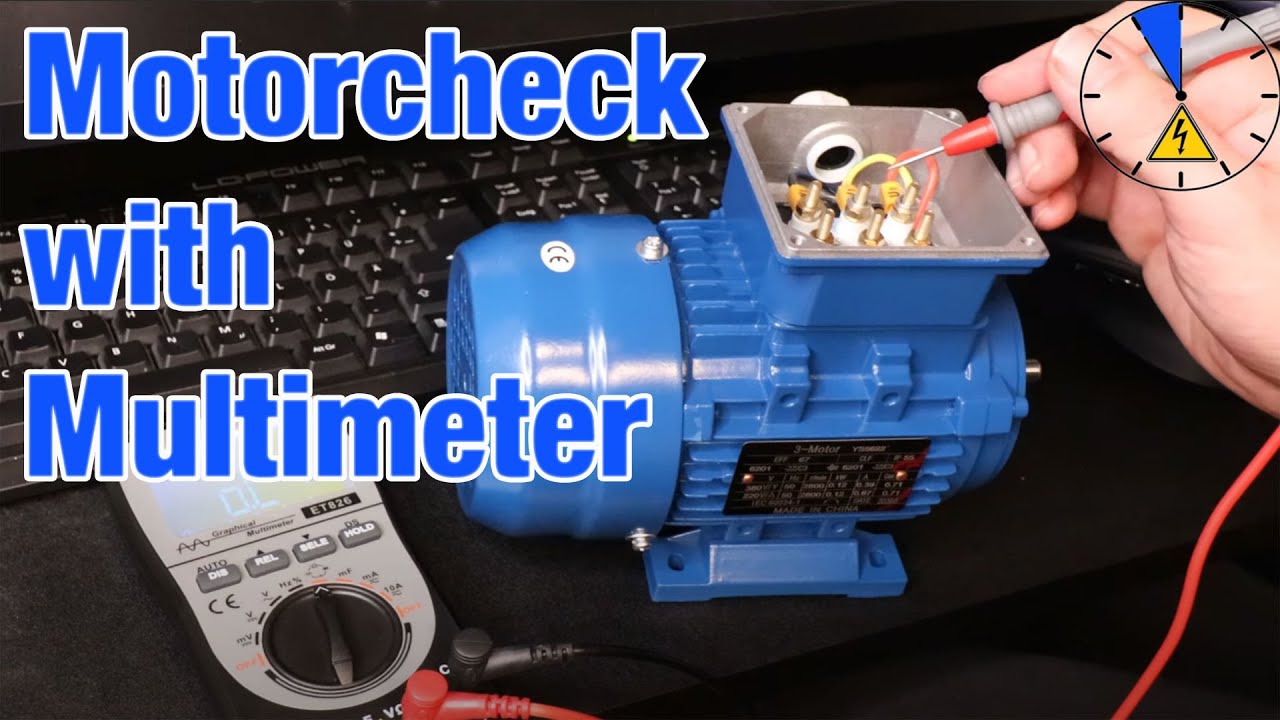
Credit: www.youtube.com
Checking Motor Voltage
Testing an AC motor with a multimeter involves checking motor voltage. Start by setting the multimeter to measure AC voltage. Connect the multimeter probes to the motor terminals. This helps identify if the motor is receiving the correct voltage. Proper voltage ensures efficient motor performance.
To ensure your AC motor operates smoothly, testing its voltage is key. Checking motor voltage helps identify issues early. It ensures the motor runs efficiently. With a multimeter, this task becomes straightforward. Follow these steps to get accurate results.Voltage Measurement Setup
Start by gathering your tools. You’ll need a digital multimeter. Ensure it’s set to measure AC voltage. Safety is crucial. Turn off the motor’s power source first. Locate the motor’s terminals. Connect the multimeter probes to these terminals. Red goes to the positive terminal. Black goes to the negative. Now, restore power to the motor.Interpreting Voltage Readings
Check the multimeter’s display for voltage readings. Compare these readings with the motor’s rated voltage. This information is usually on the motor’s nameplate. If the voltage is within the range, the motor is in good condition. A high voltage reading indicates potential issues. It might cause the motor to overheat. A low voltage reading suggests a power supply problem. This can lead to motor underperformance. Accurate interpretation ensures effective maintenance. By testing the motor voltage, you safeguard its performance. Regular checks prevent costly repairs. Keep your multimeter handy for routine inspections.Troubleshooting Common Issues
Troubleshooting common issues with AC motors can be daunting. Yet, with a multimeter, the task becomes manageable. Knowing how to identify and resolve electrical problems ensures your AC motor runs smoothly. Let’s explore some of these common issues and how to troubleshoot them effectively.
Identifying Faulty Components
Start by checking visible parts for wear and tear. Inspect the motor’s wiring for any frayed or damaged sections. Use your multimeter to test the motor’s windings. Set it to the resistance (ohm) setting. Measure resistance across different winding terminals. A reading of zero or infinity indicates a problem. These readings suggest a short or open circuit.
Resolving Electrical Problems
Voltage issues often cause AC motor malfunctions. Set your multimeter to the voltage setting. Test the power supply to the motor. Ensure the voltage matches the motor’s specifications. Low voltage readings suggest power supply problems. High voltage readings may indicate potential damage to the motor.
Next, check the motor’s capacitors. Use the multimeter’s capacitance setting. Measure the capacitance of each capacitor. Capacitors should show a reading close to their rated value. A significantly different reading means the capacitor is faulty.
Finally, inspect the motor’s connections. Loose or corroded connections can disrupt power flow. Tighten any loose connections. Clean any corrosion with an appropriate cleaner. Ensure all connections are secure before testing the motor again.
Maintenance Tips
Proper maintenance of an AC motor ensures its longevity and efficiency. Regular checks with a multimeter can prevent costly repairs and downtime. Understanding maintenance tips can help you keep the motor running smoothly.
Regular Motor Checks
Check motor connections often for wear or corrosion. Use a multimeter to test the resistance and continuity of the motor’s windings. Look for any unusual readings that might indicate a problem. Inspect the motor’s insulation. It should be intact and free from damage. Regular checks help identify issues early.
Prolonging Motor Life
Keep the motor clean. Dust and dirt can affect performance. Ensure proper ventilation around the motor. Overheating can shorten its lifespan. Lubricate moving parts regularly. This reduces friction and wear. Use the multimeter to monitor voltage levels. Stable voltage keeps the motor healthy. Follow the manufacturer’s guidelines for maintenance. Consistent care prolongs motor life.

Credit: www.youtube.com
Frequently Asked Questions
How To Test Ac Motor With Multimeter?
To test an AC motor, set the multimeter to resistance mode. Measure the resistance across the motor terminals. Check for continuity in windings and ensure values match the specifications. Confirm no open or short circuits exist.
How To Check If An Ac Motor Is Bad?
Test the AC motor with a multimeter. Check for resistance in the windings and ensure they aren’t open or shorted. Listen for unusual noises during operation. Inspect for any burnt smell or visible damage. Ensure the motor starts and runs smoothly without overheating.
How To Tell If A 120v Motor Is Bad With A Multimeter?
To check a 120V motor with a multimeter, set it to resistance mode. Measure the motor’s windings. Values should be consistent. If readings show open or infinite resistance, the motor may be faulty. Test for continuity between windings and ground.
Any continuity indicates a problem.
How To Check If A Motor Is Shorted?
Inspect motor windings using a multimeter. Measure resistance between terminals. Low resistance may indicate a short. Check for burnt odor or visible damage.
Conclusion
Testing an AC motor with a multimeter is straightforward. First, ensure safety by turning off power. Next, check resistance between motor terminals. Low resistance indicates a good winding. High resistance or an open circuit signals a problem. Then, inspect insulation resistance.
Ensure it’s within acceptable limits. Finally, test the motor capacitor if applicable. A multimeter helps identify faulty components quickly. Regular testing prolongs motor life and prevents failures. With these steps, you can confidently assess motor health. It’s essential for maintenance and troubleshooting.
Keep your tools ready and your motor running smoothly.