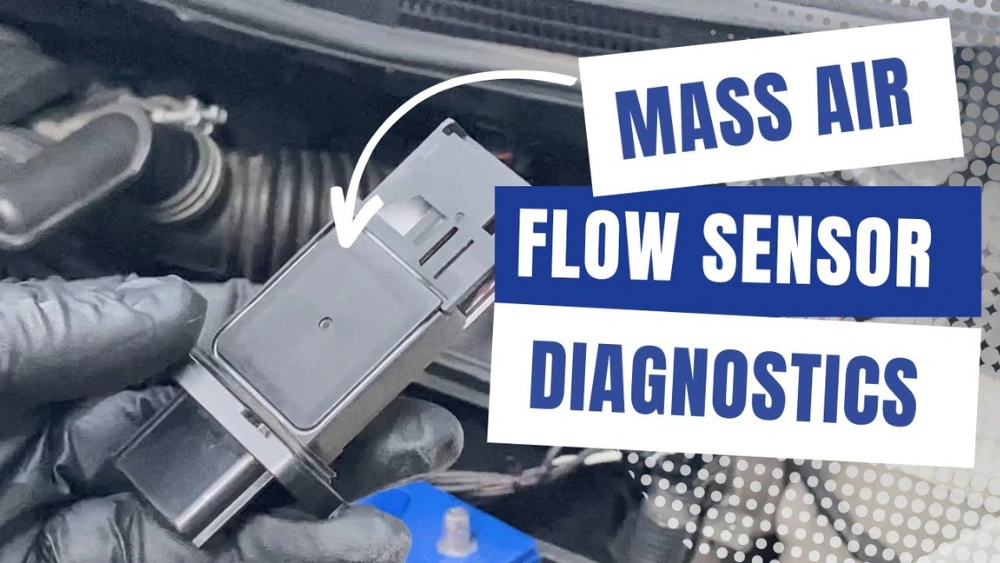
Are you noticing your car’s performance lagging or experiencing unexpected fuel efficiency issues? It might be time to check your Mass Air Flow (MAF) sensor.
This crucial component ensures your engine gets the right amount of air for optimal combustion, directly affecting your vehicle’s power and efficiency. You don’t need to be a seasoned mechanic to diagnose it; all it takes is a simple tool—a multimeter—and a bit of guidance.
Imagine driving with confidence, knowing your engine is operating smoothly and efficiently. In this guide, we’ll walk you through the straightforward steps to test your MAF sensor using a multimeter, helping you pinpoint issues and potentially save on costly repairs. Ready to get your car back to its best performance? Let’s dive in!
Mass Air Flow Sensor Basics
The Mass Air Flow Sensor (MAF) plays a crucial role in vehicle performance. It measures the amount of air entering the engine. This data helps the engine control unit (ECU) adjust fuel delivery. A faulty sensor can lead to poor engine performance and efficiency.
Purpose And Function
The MAF sensor’s primary job is to ensure proper air-fuel ratio. It sends accurate air flow data to the ECU. With this information, the ECU optimizes fuel injection and ignition timing. This ensures smooth engine operation and maximum fuel efficiency.
The sensor helps reduce emissions. It assists in maintaining engine health. The MAF sensor is vital for a vehicle’s overall performance.
Common Symptoms Of Failure
A failing MAF sensor can cause noticeable issues. One common symptom is poor fuel economy. You might notice frequent stalling or rough idling. The vehicle may have trouble starting or show reduced power.
The Check Engine Light might illuminate. This indicates a problem with the sensor. Inconsistent acceleration can also signal a sensor issue. Ignoring these symptoms can lead to further engine damage.

Credit: www.pinterest.com
Tools Needed For Testing
Testing a Mass Air Flow Sensor with a multimeter requires precise tools. A digital multimeter assesses voltage and resistance, ensuring accurate readings. Proper testing can help diagnose engine performance issues efficiently.
Before diving into testing your mass air flow sensor, it’s crucial to gather the right tools. The effectiveness of your test largely depends on having the correct equipment. With the right tools, you’ll be able to diagnose issues efficiently and with confidence.Choosing The Right Multimeter
Picking the correct multimeter is like choosing the right pair of shoes; it needs to fit the task perfectly. Look for a digital multimeter that can measure voltage, resistance, and current. Ensure it has a good range of settings for precise readings. Consider a multimeter with an auto-ranging feature. This feature simplifies the process, especially if you’re not familiar with setting ranges manually. Personal experience taught me that a multimeter with a backlit display is invaluable when working in dimly lit areas of your vehicle.Additional Equipment
While the multimeter is your main tool, a few additional items can make the process smoother. A set of alligator clips can be a game-changer. They allow you to connect your multimeter to the sensor without needing a third hand. A wiring diagram for your specific vehicle model is another handy item. It acts like a map, guiding you to the right wires and connections. Have you ever tried testing without one? It’s like navigating a maze blindfolded—trust me, I’ve been there. Lastly, always keep a notebook or a smartphone handy. Jotting down readings helps in comparing them later, especially if you’re troubleshooting multiple components. Accurate records can be your best friend when discussing issues with a mechanic. What tools do you find indispensable when working on your vehicle?Preparation Steps
Testing a mass air flow sensor with a multimeter involves simple preparation steps. Ensure the vehicle is off and the sensor is accessible. Connect the multimeter probes to the sensor’s terminals to measure voltage or resistance accurately.
Testing a Mass Air Flow (MAF) sensor with a multimeter might sound like a task reserved for seasoned mechanics, but it’s simpler than you might think. The trick lies in the preparation. Getting everything ready before you start can save you time and ensure accurate results. You don’t want to find yourself scrambling for tools or safety gear halfway through the process.Safety Precautions
Before diving into the nitty-gritty, consider safety your priority. Always disconnect the battery before working on any electrical components in your car. This simple step can protect you from electrical shocks and prevent damage to the car’s electrical system. Wear safety gloves and goggles. They might seem unnecessary, but even a small electrical spark can cause injury. Ensure that your working area is well-lit and free from clutter to avoid any mishaps.Locating The Sensor
Finding the MAF sensor is your next mission. It’s typically situated between the air filter box and the engine’s intake manifold. If you’re struggling, your car’s manual can be your best friend here. A personal tip: mark the area once you find the sensor, especially if you’re new to car maintenance. This helps in quickly locating it for future checks. Remember, the easier it is to find, the less daunting the task becomes. Once you’ve located it, take a moment to examine the sensor. Look for any obvious damage or debris that might skew your test results. Addressing these issues first can save you a headache later.Are you ready to take on the challenge of testing your MAF sensor? With preparation, you’ll find it’s not as complicated as it seems. What step will you tackle first?
Testing Procedure
Testing a Mass Air Flow Sensor with a multimeter involves checking voltage and resistance. Begin by setting the multimeter to the correct settings. Follow by connecting the probes to the sensor terminals, observing the readings. These steps ensure accurate diagnosis and optimal engine performance.
Testing the mass air flow sensor with a multimeter is a crucial skill for maintaining your vehicle’s performance. This procedure helps you determine if the sensor is functioning correctly or needs replacement. Whether you’re a seasoned mechanic or a curious car owner, understanding this process can save you time and money. You’ll be surprised at how simple it is to perform these tests once you know the steps.Setting Up The Multimeter
First, make sure your multimeter is ready for action. Select the appropriate settings for voltage and frequency tests. Ensure the multimeter probes are securely connected. This simple setup can prevent inaccurate readings and potential mishaps. Have you ever wondered why your multimeter sometimes gives odd results? Often, it’s just a matter of improper setup.Performing The Voltage Test
To begin the voltage test, locate your mass air flow sensor. Disconnect the wiring harness carefully, avoiding any damage. Then, connect the multimeter probes to the sensor’s terminals. A reading between 0.5 to 1.5 volts usually indicates proper functioning. Isn’t it fascinating how such a small range can reveal so much about your car’s health?Conducting The Frequency Test
For the frequency test, keep the sensor connected to the vehicle. Set your multimeter to measure frequency and start the engine. Probe the sensor’s signal wire and observe the frequency reading. A healthy sensor typically shows a frequency between 30 and 150 Hz. Have you ever thought about how such frequencies impact your engine’s efficiency? By following these testing procedures, you can confidently assess your mass air flow sensor’s condition. Why leave it to chance when you can ensure your vehicle is running optimally?Interpreting Test Results
Testing your Mass Air Flow (MAF) sensor with a multimeter can seem daunting, but understanding the test results is crucial for maintaining your vehicle’s performance. Think of it as decoding a secret message that can tell you whether your engine is running efficiently or struggling. Are you ready to dive into interpreting these results and ensure your car is in top shape?
Normal Voltage Range
When you measure the voltage of your MAF sensor, you’re looking for a specific range. Typically, a healthy sensor reads between 0.5 to 4.5 volts. This range indicates that your engine is getting the right air-fuel mixture.
Imagine driving your car and noticing it’s not performing as it should. Upon testing, if your voltage is outside this range, it could signal a faulty sensor or a more serious engine issue. Always compare your readings against the manufacturer’s specifications for accuracy.
Frequency Variations
Frequency variations can be a bit tricky but are equally important. The sensor sends a frequency signal that corresponds to the amount of air entering the engine. Any irregularities might suggest a problem.
Have you ever noticed your car hesitating or surging unexpectedly? These could be signs of frequency issues. If your multimeter shows inconsistent frequencies, it might be time to dig deeper into potential causes or consult a professional.
Understanding these test results empowers you to take control of your vehicle’s health. Could there be a more satisfying feeling than knowing you’ve potentially prevented a costly repair by interpreting these readings correctly?
In the end, remember that a multimeter is your ally in diagnosing and maintaining your car. With every test, you’re learning more about your vehicle’s inner workings. What will you discover next?
Troubleshooting Tips
Testing a mass air flow sensor with a multimeter helps diagnose engine problems. First, disconnect the sensor. Set the multimeter to the voltage setting. Attach probes to the sensor terminals, and start the engine. Compare readings with manufacturer specifications for accuracy.
A faulty sensor can affect engine performance.
Troubleshooting a mass air flow sensor with a multimeter can sometimes feel like solving a puzzle. You have your tools, you have your data, but you’re missing that one piece to make everything click. When you’re in the middle of diagnosing an issue, having a few reliable troubleshooting tips up your sleeve can make all the difference. Let’s dive into some common issues you might encounter and explore when it might be time to consider replacing your sensor.Common Issues And Solutions
One common issue with mass air flow sensors is dirt accumulation. A dirty sensor can give inaccurate readings, leading to engine performance problems. A quick solution? Clean the sensor using a specialized cleaner. Be cautious to avoid damaging the sensor during the process. Another problem might be a faulty connection. Loose or corroded wires can disrupt the sensor’s operation. Inspect the wiring and connectors. Tighten any loose connections and replace any corroded parts to ensure a solid connection. Voltage drop is another issue that can be easily overlooked. Use your multimeter to measure the voltage at the sensor. A drop can indicate problems in the sensor or the wiring harness. If the voltage isn’t within the specified range, consider checking the battery or alternator for underlying electrical issues.When To Replace The Sensor
Sometimes, despite your best efforts, the sensor still doesn’t function correctly. This might mean it’s time for a replacement. But how do you know for sure? If the sensor consistently fails tests even after cleaning and ensuring all connections are secure, replacement may be necessary. Also, if your car’s check engine light remains on and the error codes point to the mass air flow sensor, it’s a strong indicator to replace it. Remember, a faulty sensor can affect your vehicle’s fuel efficiency and performance. If you notice a significant drop in gas mileage or power, it might be the sensor giving you trouble. Regular checks and early replacement can save you from more extensive engine issues down the road. Have you ever replaced a mass air flow sensor? What signs did you notice before deciding it was time for a new one? Share your experiences in the comments below!Maintenance And Care
Proper maintenance and care of your Mass Air Flow (MAF) sensor can extend its life. A well-maintained sensor ensures your vehicle runs smoothly. Regular checks and proper cleaning prevent issues. This helps maintain engine efficiency and performance.
Regular Inspection
Inspect the MAF sensor regularly for dust and debris. Look for loose connections or damaged wiring. A visual check can reveal wear and tear. Make this a part of your routine vehicle maintenance. Early detection of issues prevents bigger problems.
Cleaning Techniques
Clean the MAF sensor using a special cleaner. Avoid touching the sensor wires with your fingers. This prevents damage to the delicate components. Spray the cleaner gently on the sensor. Allow it to air dry completely before reinstalling.
Regular cleaning keeps the sensor free from dirt. This ensures accurate readings and better performance. Follow these steps carefully to maintain your MAF sensor.

Credit: www.youtube.com

Credit: cfsensor.net
Frequently Asked Questions
How Do You Test A Maf Sensor With A Multimeter?
To test a MAF sensor, first disconnect it. Set your multimeter to measure voltage or resistance. Connect the multimeter probes to the sensor’s signal and ground terminals. Start the engine, and observe readings. A faulty sensor usually shows irregular or no changes in readings as the engine runs.
How To Check If A Mass Airflow Sensor Is Bad?
Check for rough idling, poor acceleration, or stalling. Use a diagnostic scanner to read error codes. Inspect the sensor for dirt or damage. Test the voltage or resistance with a multimeter. Replace the sensor if it fails these tests.
What Is The Rule Of Thumb For Maf Reading?
A general rule for MAF (Mass Air Flow) reading is 2 to 7 grams per second at idle. It should increase with engine load, aligning with RPM. Regularly check for consistency to ensure optimal engine performance.
Can You Test A Mass Air Flow Sensor By Unplugging It?
Unplugging the mass air flow sensor can help identify issues. The engine may run differently or stall. This indicates possible sensor problems. However, for accurate diagnosis, use a multimeter or consult a professional mechanic. Unplugging alone doesn’t provide complete results.
Always ensure safety and proper tools when testing car components.
Conclusion
Testing a mass air flow sensor with a multimeter is simple. Follow these steps for accurate results. Begin by setting your multimeter to the correct setting. Then, connect the probes to the sensor terminals. Check for continuity and voltage readings.
Compare your findings with the manufacturer’s specifications. If readings differ, the sensor might be faulty. Regular testing ensures smooth vehicle performance. It prevents engine issues and enhances fuel efficiency. Always handle the sensor carefully to avoid damage. With practice, testing becomes quicker and easier.
Keep your vehicle running smoothly with these simple multimeter checks.