Have you ever found yourself stranded with a flat tire, only to realize you don’t have a torque wrench handy? You’re not alone.
Many car owners face this dilemma and feel helpless without the right tool. But what if I told you that you can safely tighten lug nuts without a torque wrench? Imagine the peace of mind knowing you can handle this situation with ease and confidence.
In this guide, we’ll unlock simple, effective techniques that empower you to get back on the road quickly. Keep reading, because the steps you’ll discover could be a game-changer for your roadside toolkit.
Credit: www.yourmechanic.com
Importance Of Properly Tightening Lug Nuts
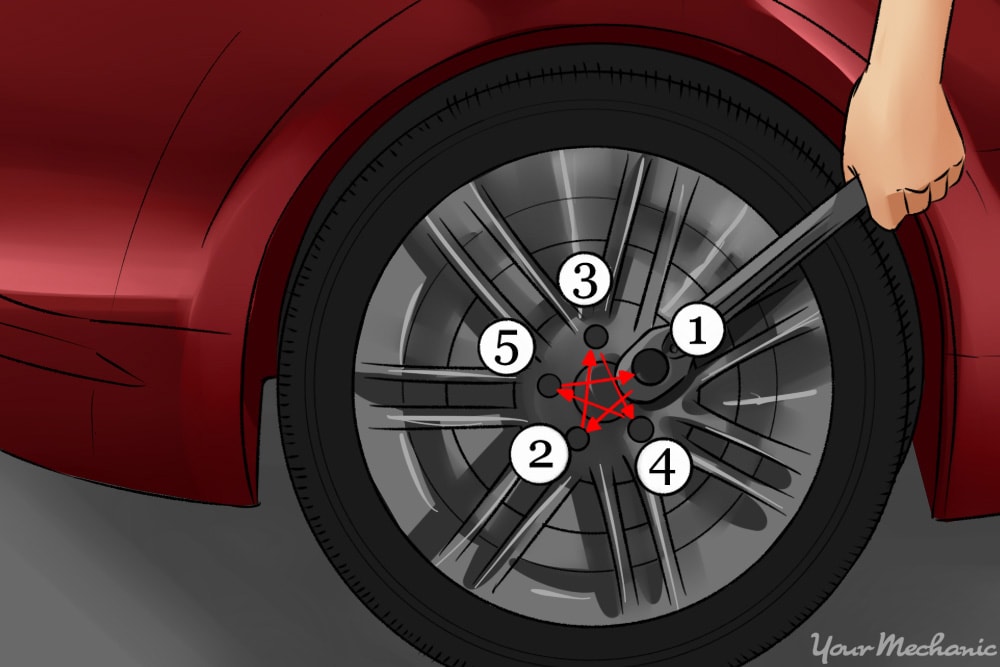
Properly tightening lug nuts ensures safe and stable driving. Without a torque wrench, use a cross pattern for even tightening. Hand-tighten each nut first, then use a wrench to snug them securely, avoiding over-tightening.
Properly tightening lug nuts is crucial for your safety and the performance of your vehicle. Loose lug nuts can lead to a wheel coming off while driving, which is as dangerous as it sounds. On the other hand, overtightening can damage the threads and cause difficulty in future maintenance. You might wonder, “How can I make sure my lug nuts are just right without a torque wrench?” Let’s explore this topic further.Why Precision Matters
Precision in tightening lug nuts is not just about safety. It also affects the longevity of your wheels and the overall health of your vehicle. Improperly tightened lug nuts can lead to uneven pressure distribution on the wheel. This might cause issues like warping or bending, eventually resulting in costly repairs.Consequences Of Loose Lug Nuts
Have you ever felt a slight vibration in your steering wheel while driving? This might be a sign that your lug nuts are not tight enough. Loose lug nuts can lead to wheel wobble, affecting your car’s alignment and fuel efficiency. A friend’s car lost a wheel on the highway once because of loose lug nuts—an experience nobody wants to repeat.Risks Of Overtightening
You might think, “Why not just tighten the lug nuts as much as possible?” Overtightening can be equally damaging. It can stretch or break the bolts, making them unreliable. Imagine being stranded with a flat tire and not being able to remove the wheel because the nuts were too tight. That’s not a situation anyone wants to be in.Practical Tips For Correct Tightening
Without a torque wrench, you can still achieve a good balance. Start by hand-tightening each lug nut in a star pattern. This ensures even pressure distribution. Use a wrench to tighten further, stopping when you feel resistance. The key is consistency—tighten each nut to the same level of firmness.Engage Your Senses
Trust your senses. Feel the resistance as you tighten the nuts. Listen for any unusual sounds like creaking, which might indicate overtightening. Think about the last time you changed a tire and how you managed without specialized tools. Your senses are more reliable than you might think.Final Thoughts
So, what can you do next time you find yourself without a torque wrench? Remember the importance of balance. Focus on achieving a consistent tightness across all lug nuts. Next time you’re tightening those lug nuts, ask yourself: “Is this secure enough without being too much?” Your safety depends on getting it just right.Manual Techniques For Lug Nut Tightening
Manual techniques for lug nut tightening can be a lifesaver when you find yourself without a torque wrench. Whether you’re changing a tire on the side of the road or in your garage, knowing how to properly tighten lug nuts can make the difference between a safe drive and a risky one. These methods are simple, yet effective, and can be mastered with a little practice.
Hand Tightening Basics
Start by threading the lug nut onto the bolt with your fingers. Turn it clockwise until you can’t turn it anymore by hand. This ensures the lug nut is seated properly. Use your hand to get a feel for how snug the nut is. Feeling resistance is a good sign that it’s secure.
Ever tried hand-tightening a lug nut in freezing weather? It’s a real test of patience. But, it teaches you the importance of doing it right, regardless of the conditions. Are you confident that it’s tight enough? A simple hand-tight might not suffice if you’re going on a long drive.
Using A Lug Wrench Effectively
Grab a lug wrench and use the crossbar style for more leverage. Position it over the lug nut and turn it clockwise. Stand with your feet shoulder-width apart and apply steady pressure. Be careful not to over-tighten, as this can damage the threads.
Imagine you’re in a hurry; you might be tempted to use brute force. However, steady and controlled force is key. You should aim for a snug fit that resists further tightening.
Have you ever thought about marking your lug nuts after tightening? It’s a simple trick that can remind you if you’ve already worked on them. This can be a lifesaver during emergencies.
These manual techniques can be surprisingly effective. They might not replace a torque wrench’s precision, but they can certainly get you back on the road safely. Are you ready to try these techniques next time you’re without a torque wrench?
Estimating Torque Without Tools
Using your hand, tighten lug nuts until firm resistance is felt. Apply consistent pressure for proper securement. Ensure each nut is evenly tightened for safe driving.
Estimating torque without tools is a skill many car enthusiasts strive to master. It comes in handy during roadside repairs or in situations without a torque wrench. This skill involves knowing how much force to apply to lug nuts. It’s crucial for safety and performance. The process relies on understanding the feel of torque. This means gauging the tightness by hand and making informed judgments. Let’s explore this skill further.Understanding Torque Feel
Torque feel is about sensing the resistance of lug nuts as you tighten them. It’s like having an innate sense of how tight is tight enough. Start with a snug fit using your hands. Then apply force gradually with a wrench. Notice the resistance changing as you turn. This change helps estimate the needed tightness. Practice is key to developing this feel. Over time, you’ll gain confidence in your estimations.Common Mistakes To Avoid
One mistake is over-tightening lug nuts. This can damage threads and affect wheel alignment. Under-tightening is another issue. It poses safety risks due to loose wheels. Using improper tools like pliers can lead to inaccurate torque. These tools might slip, causing injury or damage. Avoid relying solely on feel if unsure. Always double-check with professionals when possible.
Credit: knowhow.napaonline.com
Safety Precautions
Ensuring safety requires careful handling when tightening lug nuts without a torque wrench. Use a cross pattern for even distribution. Apply consistent pressure with a lug wrench, checking each nut securely before driving.
Safety precautions are crucial when dealing with lug nuts, especially if you’re tightening them without a torque wrench. Ensuring your safety and the longevity of your vehicle’s wheels should be your top priority. If you’ve ever wondered how to do this without specialized equipment, you’re not alone. Let’s dive into some essential safety measures you should consider.Checking Wheel Alignment
Proper wheel alignment is vital for safety and performance. Misaligned wheels can cause uneven tire wear and affect handling. Before you start tightening lug nuts, inspect your vehicle’s alignment. Here’s a simple test: take your car for a short drive on a straight road. If the steering wheel pulls to one side, it’s time to get an alignment check. This ensures that once the lug nuts are tightened, your wheels are in perfect harmony, enhancing your driving experience.Inspecting Lug Nuts Regularly
Lug nuts can loosen over time due to vibrations and regular driving conditions. Regular inspections are your best defense against this. Use a simple visual check to spot any loose or damaged lug nuts. Feel the lug nuts with your fingers; if they wobble or seem out of place, it’s a sign they need attention. It’s like checking the buttons on your favorite shirt—ensuring everything is secure keeps your ride smooth and safe. Have you ever wondered how often you should do this? A good practice is to inspect them monthly. It’s a small effort that can save you from bigger problems down the road. Safety is not just about avoiding accidents; it’s about ensuring your vehicle performs at its best. As you take these precautions, think about how much smoother your driving can be. Are you ready to make these checks a routine part of your car care?Alternative Tools For Lug Nut Tightening
Tightening lug nuts without a torque wrench might seem tricky. But with a few alternative tools, it’s manageable. These tools offer practical methods for ensuring your vehicle’s safety. While a torque wrench is ideal, many find other tools handy for everyday use. Explore these methods to keep your wheels secure.
Using A Breaker Bar
A breaker bar provides a longer handle than a typical wrench. The extended handle offers more leverage. This makes it easier to tighten lug nuts. Ensure the socket fits snugly on the nut. Push down firmly using controlled force. Avoid jerking movements to keep the nut secure. This tool is effective for applying steady pressure.
Leverage Techniques
Leverage techniques involve using physical force smartly. Position your body for maximum strength. Use your foot to press down on the breaker bar. This method increases force without extra effort. Ensure you stand on stable ground to avoid slipping. Gradually apply pressure to tighten the lug nut securely. This technique helps achieve a tight fit without overstraining.
Signs Of Improperly Tightened Lug Nuts
Tightening lug nuts properly is crucial for vehicle safety. Incorrectly tightened lug nuts can lead to serious issues. Recognizing the signs of improperly tightened lug nuts helps avoid potential hazards. Awareness is key to maintaining your vehicle’s performance and safety.
Noise And Vibration Indicators
One clear sign is unusual noise. A loose lug nut may cause a clinking sound. This sound often comes from the wheel area. Vibration is another indicator. You might feel it in the steering wheel. Such vibrations typically occur at higher speeds. Both noise and vibration suggest a problem.
Wheel Movement Symptoms
Improperly tightened lug nuts can lead to wheel movement. The wheel may wobble when driving. A wobbly wheel can affect handling. This can be dangerous, especially at high speeds. Another symptom is uneven tire wear. This indicates inconsistent wheel alignment. Regular checks can prevent these issues.
Credit: www.youtube.com
Frequently Asked Questions
How To Tighten A Nut Without A Torque Wrench?
Use a spanner or adjustable wrench to tighten the nut. Apply firm pressure until snug. Avoid over-tightening. Check the nut visually to ensure it is secure. Test the tightness by gently tugging the connected parts. Repeat if necessary for a secure fit.
Can You Tighten Lug Nuts By Hand?
You can hand-tighten lug nuts, but a wrench or torque tool ensures proper tightness and safety. Always check manufacturer guidelines for torque specifications. Hand-tightening may not provide enough security, risking loose wheels or damage. Using tools helps achieve optimal tightness and prevents accidents.
Regularly inspect lug nuts for safety.
What Can I Use To Tighten My Lug Nuts?
Use a torque wrench to tighten lug nuts accurately. Ensure it matches the vehicle’s recommended torque specifications. A cross wrench or a socket wrench can also be effective for tightening. Always tighten in a crisscross pattern to ensure even pressure.
Regularly check the torque for safety.
What Can You Use Instead Of A Lug Wrench?
Use a socket wrench or an adjustable wrench as alternatives to a lug wrench. A tire iron or breaker bar can also help. Ensure the tool fits securely for safe operation.
Conclusion
Tightening lug nuts without a torque wrench is straightforward. Use the right tools for safety. Follow the steps carefully for secure lug nuts. Hand-tighten them snugly and evenly. Feel for resistance to avoid overtightening. Tighten in a star pattern for balance.
This method is quick and practical. Keep your vehicle safe and wheels secure. Regular checks prevent loose lug nuts. Always ensure your lug nuts are tight before driving. These techniques help when a torque wrench isn’t available. Practice makes perfect.
Keep learning and improving your skills. Your safety matters most.