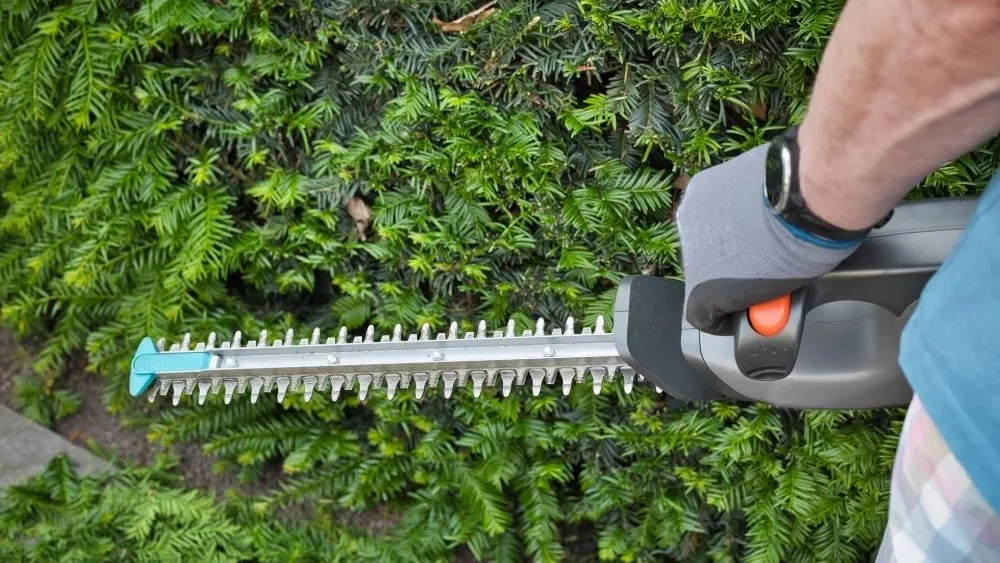
Do you dream of a picture-perfect garden, with hedges that look like they belong in a magazine? Achieving that tidy, manicured look doesn’t have to be a daunting task.
With the right tool, like an electric trimmer, you can transform your hedges from unruly to refined with ease. Imagine the satisfaction of stepping back and admiring your handiwork, knowing you’ve mastered the art of hedge trimming. You’ll discover simple tips and techniques to make using an electric trimmer a breeze.
Whether you’re a gardening newbie or a seasoned green thumb, you’ll find valuable insights to help you trim your hedges efficiently and safely. Get ready to unleash your inner landscaper and give your garden the makeover it deserves!

Credit: www.youtube.com
Choosing The Right Electric Trimmer
Trimming hedges can transform your garden’s appearance. Choosing the right electric trimmer is crucial. A suitable trimmer ensures clean cuts and easy handling. With so many options, selecting the best one might feel overwhelming. Focus on a few key features to make an informed choice.
Power And Performance
The power of an electric trimmer matters. More power means cutting thicker branches effortlessly. Look for trimmers with at least a 3.5-amp motor. This power level handles most residential needs. Check the motor’s performance in different conditions too.
Blade Size And Type
Blade size influences cutting efficiency. Longer blades cut more branches in one pass. A 22-inch blade is ideal for medium-sized hedges. Shorter blades offer more precision. Blade type affects the smoothness of the cut. Dual-action blades reduce vibration and provide cleaner cuts.
Weight And Ergonomics
Consider the trimmer’s weight for comfort. A lightweight trimmer reduces fatigue during long sessions. Check if the handle design is ergonomic. A comfortable grip enhances control and reduces strain. Adjustable handles add versatility for different cutting angles.
Safety Features
Safety should always come first. Look for a trimmer with a safety switch. This feature prevents accidental starts. Blade guards protect you and the blades. Cord retention systems keep the power cord secure. These features minimize tripping hazards.
Battery Life And Cord Length
Cordless trimmers offer mobility but consider battery life. A longer battery life means uninterrupted trimming. Corded models need a long power cord for flexibility. Choose a cord that reaches all your garden areas.
Brand Reputation And Reviews
Research brands with good reputations. Reliable brands offer better customer support and warranties. Read customer reviews to gauge performance and durability. Real user experiences offer valuable insights.
Safety Precautions
Trimming hedges with an electric trimmer can seem straightforward, but safety should always be your top priority. It’s easy to overlook important precautions when you’re eager to get your garden looking perfect. However, taking a few simple steps can prevent accidents and make the task stress-free.
Wear Protective Gear
First things first, gear up. Put on safety goggles to protect your eyes from flying debris. Gloves are essential to protect your hands from the sharp trimmer blade. Don’t forget ear protection; electric trimmers can be quite loud. It’s surprising how much difference the right gear can make.
Check The Weather
A sunny day is ideal for trimming hedges, but avoid working in wet conditions. Water and electricity are a dangerous mix. If it’s recently rained or the hedge is damp from dew, wait until it dries. Have you ever slipped because of wet grass? Imagine doing that with a running trimmer in hand!
Inspect The Trimmer
Before you start, inspect your trimmer thoroughly. Look for any frayed cords or loose parts. Ensure the blade is sharp and secure. A faulty trimmer can cause accidents or damage your hedges. Think of it as a quick pit stop for your tool to ensure it runs smoothly.
Plan Your Workspace
Clear away any obstacles like toys or garden tools. Keep your workspace tidy to prevent tripping. Ensure your extension cord is long enough and won’t get tangled. Imagine trying to untangle cords while balancing on a ladder—it’s not fun!
Use Proper Technique
Hold the trimmer firmly and maintain a steady pace. Avoid stretching or over-reaching; reposition yourself instead. Use a ladder if necessary, but make sure it’s stable. This technique not only prevents accidents but also gives your hedges a neat finish.
Trimming hedges is more than just a gardening task; it’s a routine that needs attention to detail and care. Have you ever wondered how a few precautions could save you from mishaps? Next time you pick up your electric trimmer, think safety first, and enjoy the process of shaping your garden into a masterpiece.
Preparing The Area
Clear the area around the hedges before trimming. Remove toys, garden tools, and debris. This ensures a safe and efficient trimming process.
Preparing the area before trimming hedges is crucial. It ensures safety and precision in shaping your garden. A well-prepared area makes the trimming process efficient and smooth. You get better results with less effort.Clearing Debris
Start by removing any loose branches. Check for fallen twigs around the hedge. Clear any leaves that might obstruct your view. Ensure the ground is free of rocks and stones. This prevents the trimmer from damage. Look for toys or garden tools nearby. These can be dangerous if left around. Keep the area tidy for a safer trimming experience.Marking The Hedge Shape
Decide on the shape you want for your hedge. Use stakes to mark the desired height. String can guide you for straight lines. Check the hedge’s natural growth pattern. This helps in achieving a balanced look. Visualize the final shape before trimming. This avoids unnecessary cuts. Ensure the shape complements your garden layout. A well-marked hedge leads to a satisfying finish.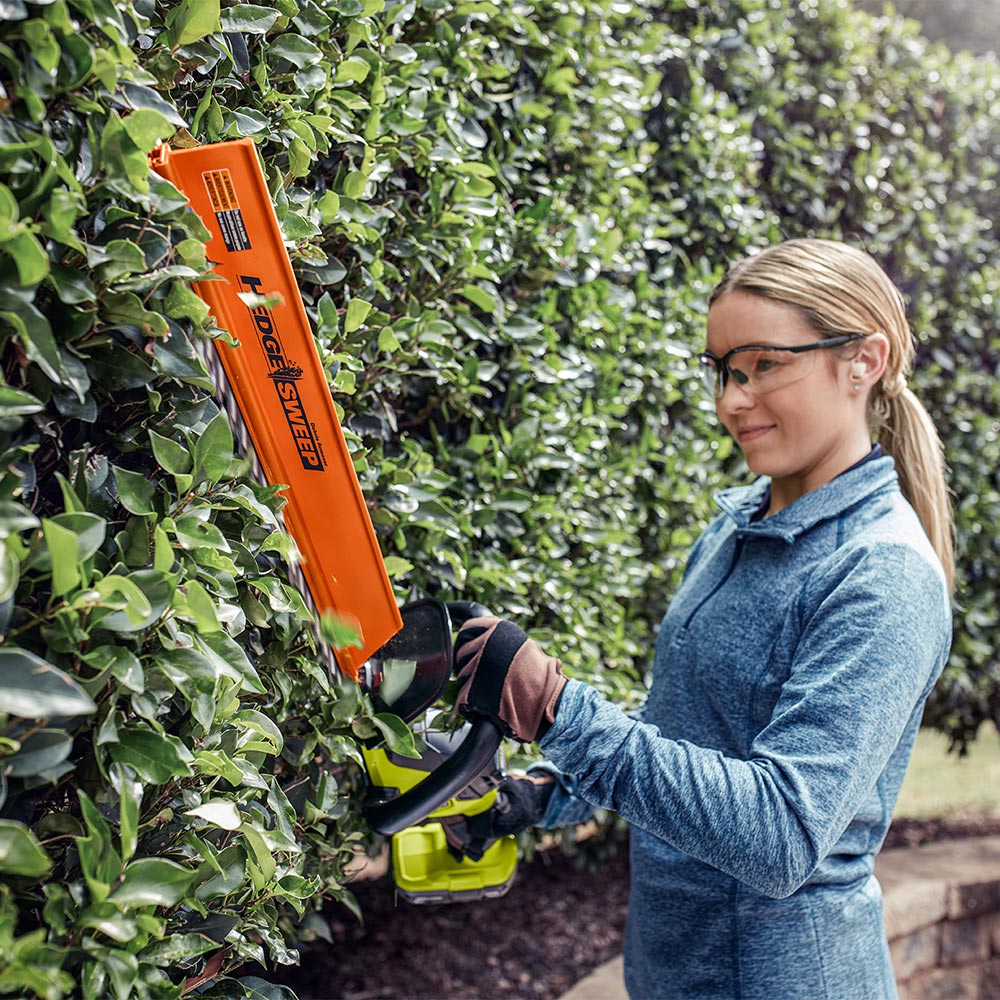
Credit: www.homedepot.com
Techniques For Trimming
Electric trimmers simplify hedge trimming by offering precision and speed. Ensure safety by wearing protective gear and checking the trimmer’s condition. Trim in smooth, even motions for the best results.
Trimming hedges with an electric trimmer can turn your garden into a masterpiece with just a little practice and patience. Mastering the right techniques is essential for achieving a clean and professional look. Whether you’re aiming for a neat horizontal line, a tidy vertical cut, or a creative shape, understanding these methods can transform your hedging experience.Horizontal Trimming
Start by standing at one end of the hedge. Hold your trimmer parallel to the ground. Move steadily from one side to the other, maintaining an even pace. It’s crucial to keep the trimmer level to avoid an uneven cut. Imagine your hedge as a cake you’re slicing; consistency is key. If your hedges are tall, consider using a step stool for better reach and control.Vertical Trimming
For vertical trimming, position the trimmer vertically, making sure the blade is perpendicular to the ground. Begin at the bottom of the hedge and work your way up. Using an upward motion helps prevent debris from falling into the already trimmed section. It’s like painting a wall—start from the bottom to ensure a smooth finish. Check your progress frequently to ensure straight lines and even cuts.Shaping And Styling
Shaping your hedge can be a creative and rewarding task. Determine the shape you desire, whether it’s a simple curve or a more intricate design. Trim gradually to avoid cutting off too much at once. Think of it like sculpting; small adjustments lead to perfection. If you’re nervous about tackling a complex shape, start with something simple and gradually build your confidence. Have you ever thought about how a simple trim could highlight the beauty of your entire garden? A well-trimmed hedge can make a world of difference. With these techniques, you’re not just maintaining your garden; you’re enhancing its charm. Happy trimming!Maintenance Tips For Electric Trimmers
Electric trimmers simplify hedge trimming tasks. Regularly clean blades and ensure proper lubrication for smooth operation. Check electrical connections to avoid unexpected shutdowns.
Maintaining your electric hedge trimmer is crucial for ensuring its longevity and optimal performance. Proper care not only extends the life of your tool but also enhances the safety and efficiency of your trimming tasks. With regular maintenance, you can avoid unexpected mishaps and keep your hedges looking pristine. So, how do you keep your electric trimmer in tip-top shape? Let’s explore some practical tips that will help you.Cleaning The Blades
After each use, make it a habit to clean the blades of your electric trimmer. This prevents sap and debris from building up, which can dull the blades and hinder performance. You might have noticed how a clean blade cuts through branches like butter, while a dirty one feels more like a struggle. Start by unplugging the trimmer or removing the battery to ensure safety. Use a soft brush or cloth to remove loose debris and dirt. For sticky residue, a damp cloth with mild detergent works wonders. Just be careful not to soak the blades, as excess moisture can lead to rust. Consider using a blade lubricant to keep them sharp and rust-free. This simple step can make all the difference in maintaining the cutting efficiency of your trimmer.Battery Care
If your trimmer is battery-powered, proper battery care is essential. A well-maintained battery keeps your trimmer running smoothly and extends its lifespan. Have you ever been mid-trim when your battery dies unexpectedly? Frustrating, right? Ensure that the battery is fully charged before use. Regularly check for signs of damage or wear, as these can affect performance. It’s wise to store the battery in a cool, dry place, away from direct sunlight or extreme temperatures. When charging, follow the manufacturer’s guidelines to avoid overcharging, which can reduce battery efficiency. If you notice your trimmer losing power quickly, it might be time to invest in a new battery. Maintaining your electric trimmer doesn’t require a lot of time, but consistency is key. What maintenance routine do you follow to keep your tools in peak condition?
Credit: simsgardenmachinery.co.uk
Troubleshooting Common Issues
Electric trimmers make hedge trimming easy but can face common issues like jamming or uneven cuts. Ensure blades are sharp and clear debris regularly for smooth operation. Adjust cutting angle for a uniform hedge shape.
Trimming hedges with an electric trimmer can be a breeze, but what happens when things don’t go as planned? It’s common to encounter a few bumps in the road, especially if you’re new to using these handy tools. Knowing how to troubleshoot common issues can save you time and keep your hedges looking sharp and tidy.1. Electric Trimmer Won’t Start
First things first, check if your trimmer is plugged in properly or if the battery is fully charged. A simple oversight can be the culprit. If your trimmer still refuses to start, inspect the power switch and the cord for any visible damage. Sometimes, a quick inspection reveals a loose connection or frayed wire. Remember that safety comes first. Always unplug your trimmer before investigating further.2. Blade Is Not Cutting Properly
Dull blades can turn hedge trimming into a frustrating task. Regularly sharpen your blades to maintain their efficiency. I once spent an afternoon battling my hedges with a blunt blade, only to realize that sharpening made all the difference. Ensure your blades are clean. Sap and debris can accumulate, making it difficult to achieve a clean cut.3. Trimmer Overheats
Overheating is a sign that your trimmer is working too hard. Give it a break to cool down, especially on a hot day. Check for any blockages in the vents. Dust and leaves can clog them, restricting airflow and causing overheating. If overheating persists, it might be worth checking the manufacturer’s guidelines for usage duration.4. Vibrating Excessively
Excessive vibration can lead to discomfort and affect your trimming accuracy. Check if the blades are properly tightened. Loose parts can contribute to the vibrations, making the trimmer harder to control. Consider wearing gloves designed to absorb vibrations to enhance your comfort while trimming.5. Strange Noises
Unusual noises can be alarming. They often indicate that something is amiss with your trimmer. Inspect for any foreign objects lodged in the blades. I once found a small twig causing quite the racket. If noises persist, it might be time to consult a professional or refer to the user manual for guidance.6. Tips For Preventing Future Issues
Regular maintenance can prevent many common problems. Clean and oil your trimmer after each use to keep it in top condition. Store your trimmer in a dry place away from extreme temperatures. This helps maintain its longevity. What’s your biggest challenge with hedge trimming? Share your experiences, and let’s learn from each other!Frequently Asked Questions
How To Properly Use An Electric Hedge Trimmer?
Use safety gear like gloves and goggles. Check the trimmer’s power source and blades. Hold it firmly, trimming slowly. Keep the trimmer level and avoid cutting thick branches. Clean and store the trimmer properly after use.
How To Trim A Hedge Straight For Beginners?
Start by marking a straight line with string or stakes. Use sharp hedge trimmers, cutting from bottom to top. Trim regularly to maintain shape. Check alignment often and adjust as needed. Practice makes perfect for straight hedges.
How Do You Trim Bushes With An Electric Trimmer?
Use an electric trimmer to shape bushes evenly. Start from the top, moving downward. Keep blades parallel to the bush. Trim in small sections for precision. Regularly step back to check the shape. Always ensure the trimmer is off before adjusting or cleaning.
What Is The Most Efficient Way To Trim Hedges?
Use sharp, clean shears or electric trimmers for precise cuts. Trim during early spring or late summer. Start from the bottom, shaping upward. Regularly step back to check symmetry. Remove dead or diseased branches promptly. Maintain consistent shape for optimal growth and appearance.
Conclusion
Trimming hedges with an electric trimmer is simple and efficient. Start by gathering your tools. Ensure your trimmer is in good condition. Always wear safety gear. Begin cutting from the bottom, moving upwards. Use smooth and steady motions. This helps maintain an even hedge surface.
Regular trimming keeps hedges healthy and neat. Practice makes you more confident with each trim. Remember to clean your trimmer after use. A clean trimmer lasts longer and works better. With patience, you’ll achieve beautiful hedges. Enjoy the satisfaction of a well-kept garden.
Happy trimming!