Imagine having the power to tighten bolts to the exact specification every single time. Picture the confidence you would feel knowing that your work is precise and dependable.
This is what using a Craftsman torque wrench can do for you. Whether you’re a DIY enthusiast, a seasoned mechanic, or someone who simply loves to tinker with machines, mastering this tool can revolutionize your approach to projects. But how can you unlock its full potential?
How do you ensure you’re using it correctly to achieve that perfect balance between too loose and overtightened? In this guide, you’ll discover the simple yet crucial steps to effectively use a Craftsman torque wrench. By the end, you’ll have the skills to enhance your projects and the assurance that they’re built to last. Get ready to elevate your craftsmanship to new heights!
Credit: www.sears.com
Choosing The Right Torque Wrench
Craftsman torque wrenches offer precision in tightening bolts. Select the correct size for your project. Adjust the wrench to the specified torque setting and apply steady pressure for accurate results. Proper handling ensures safety and efficiency in various tasks, from automotive repairs to home projects.
Choosing the right torque wrench is crucial for achieving precise results in any mechanical task. Whether you’re working on a car engine or assembling a piece of furniture, the right tool can make all the difference. But how do you know which Craftsman torque wrench is best for your needs? Let’s break it down into simple steps.Types Of Craftsman Torque Wrenches
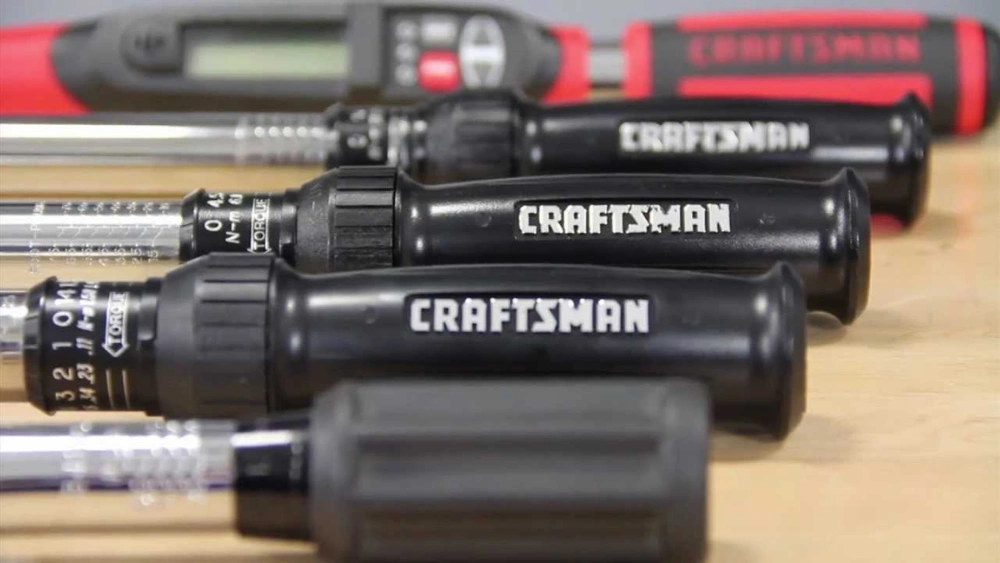
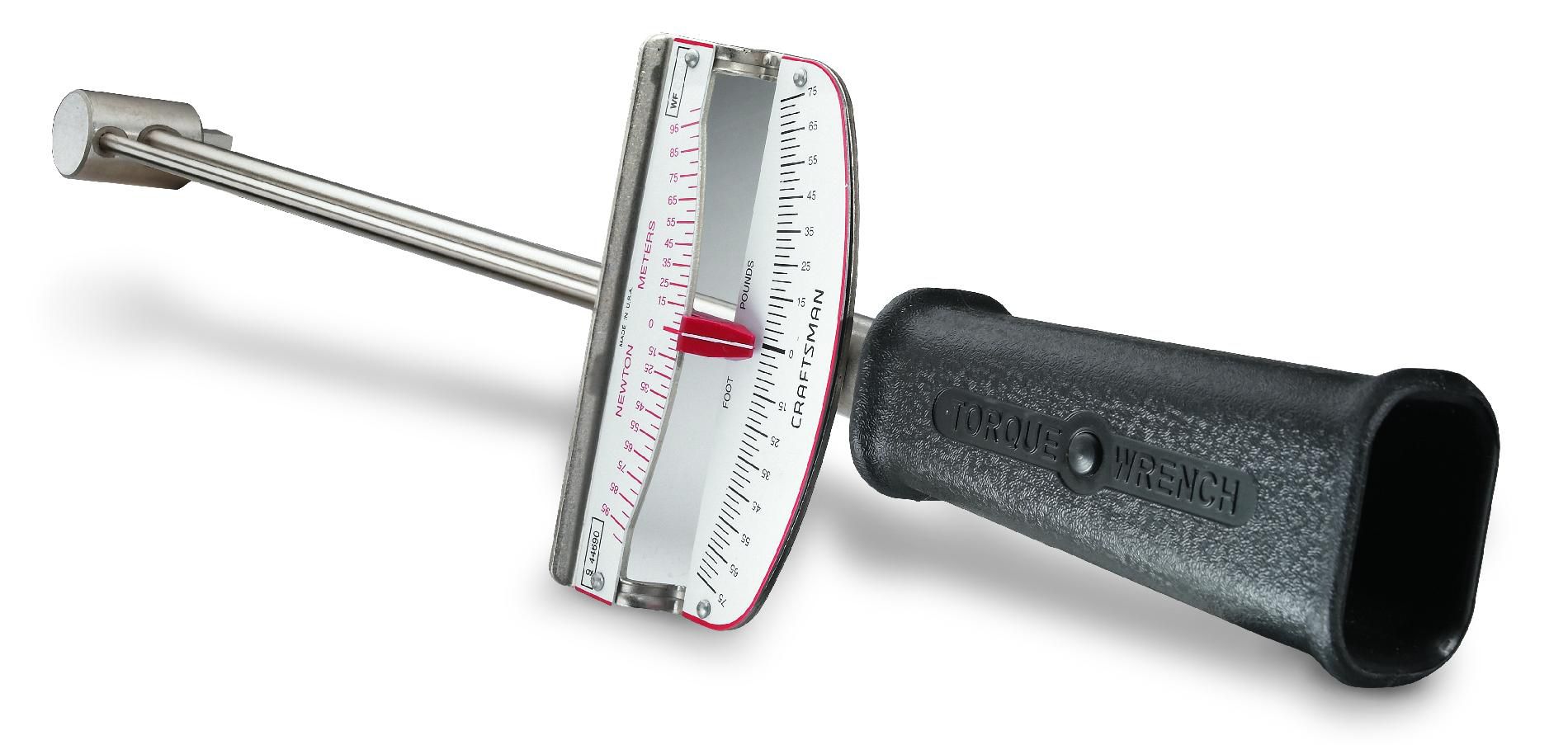
Craftsman offers a variety of torque wrenches, each suited for different tasks. Beam Torque Wrenches are the most basic and cost-effective. They are easy to use and have a scale that you can read as you apply force. However, they require a bit more skill to ensure accuracy, as you need to keep a steady hand while applying pressure. Click Torque Wrenches are the most popular choice. They emit a click sound when the desired torque level is reached, making them user-friendly. It’s perfect for beginners and ensures consistent results. Electronic Torque Wrenches offer digital readings for precision. They are often equipped with features like memory settings and vibration alerts. While they are on the pricier side, they bring peace of mind with their accuracy.Selecting The Appropriate Size
Choosing the correct size for your torque wrench is key to successful projects. Small jobs, like bike repairs, often require a 1/4-inch drive wrench. It’s lightweight and allows for easy maneuvering in tight spaces. For automotive tasks, a 3/8-inch drive wrench is commonly used. It offers more torque and is versatile for various car parts. Heavy-duty tasks, such as working on trucks or large machinery, might need a 1/2-inch drive wrench. It delivers high torque levels, making it ideal for stubborn bolts. Consider the range of torque you need. A wrench’s torque range should cover the specifications of your tasks. For instance, if you frequently tighten bolts to 50 ft-lbs, ensure your wrench’s range includes this value. Have you ever used the wrong size and ended up stripping a bolt? It’s a frustrating experience that underscores the importance of selecting the right tool. Being mindful of the size and type ensures efficiency and avoids costly mistakes. Now, armed with this knowledge, you’re better prepared to choose the perfect Craftsman torque wrench for your next project. What task will you conquer next with your ideal tool in hand?Preparing For Use
Before you start using your Craftsman torque wrench, it’s crucial to prepare it properly. This ensures accuracy and prolongs the life of your tool. You might wonder if you’ve checked everything. Let’s dive into the essential steps you should follow.
Calibrating Your Torque Wrench
Calibration is your first step to ensure precision. You wouldn’t want to over-tighten a bolt and damage your equipment, right? Most torque wrenches need periodic calibration, usually once a year. Check your user manual for specific instructions. If you’ve ever wondered why your wrench felt off, calibration could be the answer.
Using a professional calibration service can be a smart move. They have the tools to measure the exact settings required. Alternatively, some DIY kits are available for home use. Make sure to follow instructions carefully if you go this route. A properly calibrated wrench gives you peace of mind.
Inspecting The Tool For Damage
Visual inspection is a simple yet effective step. Examine the wrench for any signs of wear or damage. Cracks, rust, or bent components can affect its performance. These are red flags you shouldn’t ignore.
Check the handle and the head for any signs of misuse. If you’ve ever dropped your wrench, ensure it’s still aligned correctly. A damaged wrench can lead to faulty readings. Would you trust a tool that’s been through a rough patch without checking it?
Take a few minutes to clean the wrench. Dust and grime can accumulate over time, affecting the tool’s function. A clean tool is a reliable tool. Regular inspection can save you from costly repairs down the line.
By focusing on calibration and inspection, you can ensure your Craftsman torque wrench delivers accurate results every time. What steps will you take to make sure your tool is ready for action?
Setting The Torque Value
Setting the torque value correctly is crucial for using your Craftsman torque wrench effectively. It’s the key to ensuring that nuts and bolts are tightened to the right level. Too tight, and you risk damaging components; too loose, and the assembly might fail. Let’s dive into how you can set the perfect torque value with your wrench.
Understanding Torque Specifications
Before adjusting your wrench, it’s important to understand the torque specifications of the component you’re working on. These specifications are typically provided by the manufacturer and can be found in the product manual or online. They indicate the precise force needed to secure parts safely.
Think of torque specifications as the recipe for a dish. Just as adding the right amount of salt can make or break a meal, setting the correct torque value ensures your assembly is safe and effective. Have you ever tightened a bolt without checking its specs, only to find it wasn’t secure? That’s why this step is crucial.
Adjusting The Wrench To The Desired Setting
Once you know the required torque, it’s time to set your wrench. Most Craftsman torque wrenches have a simple adjustment mechanism, usually a dial or a slider. Locate it and adjust the wrench until you reach the desired setting.
Hold the wrench firmly and turn the adjustment dial or slider. You’ll hear or feel clicks as you reach the desired torque. Ensure the indicator aligns perfectly with the specification mark. This precision is what transforms a mere tool into a craftsman’s best friend.
Have you ever wondered if your wrench is calibrated correctly? Regular calibration checks can prevent inaccurate settings and ensure your wrench performs optimally. Next time you use your wrench, think of it as tuning an instrument – each adjustment brings you closer to a perfect performance.
Setting the torque value doesn’t have to be intimidating. With these steps, you’re well-equipped to tackle any project with confidence. So, what will you build next with your precisely set torque wrench?
Proper Usage Techniques
Using a Craftsman torque wrench correctly ensures your projects are successful. Proper usage techniques prevent damage to tools and materials. This section provides essential tips for using your torque wrench effectively. Follow these steps to maintain tool accuracy and enhance your skills.
Maintaining A Steady Hand
A steady hand ensures accurate torque application. Keep your grip firm and balanced. Use both hands to control the wrench better. Position your dominant hand on the handle. Place the other hand near the torque head for stability. This prevents sudden movements that can affect readings.
Avoiding Over-tightening
Over-tightening can damage bolts and threads. Set the torque wrench to the specified setting. Follow the manufacturer’s guidelines for the correct torque value. Listen for the click sound to know you have reached the set torque. Stop applying force immediately after hearing the click. Recheck the settings if unsure of the torque applied.
Post-use Maintenance
Proper care extends the life of your Craftsman torque wrench. After use, clean it with a soft cloth. Store in a dry place to prevent rust and maintain accuracy.
Maintaining your Craftsman torque wrench after use is crucial to ensure its longevity and accuracy. Just like any other tool in your collection, proper care can extend its lifespan and keep it reliable for all your projects. Imagine the disappointment of a malfunctioning tool right in the middle of a critical task. To prevent this, let’s dive into the essential post-use maintenance practices.Cleaning After Use
A clean wrench is a happy wrench. After each use, take a few moments to wipe down your torque wrench with a clean, dry cloth. This removes any dirt, grease, or debris that may have accumulated during your work. Avoid using harsh chemicals or water, as these can damage the tool’s sensitive components. A mild cleaner can be used if necessary, but ensure it’s suitable for tools and doesn’t leave residue. Have you ever noticed how grime can sneak into the smallest crevices? Pay attention to the clicking mechanism and the adjustment dial. These areas can trap debris, affecting the wrench’s performance. A small brush can work wonders here.Storing The Wrench Properly
Proper storage is as important as cleaning. Store your torque wrench in a dry place, away from moisture and extreme temperatures. High humidity or cold environments can lead to rust or damage over time. How do you store your tools? Consider using a dedicated case or toolbox. This not only protects the wrench but also prevents accidental drops or impacts. Ensure the torque setting is reset to its lowest value before storage. This prevents unnecessary tension on the internal components, prolonging their lifespan. Wouldn’t you agree that a well-maintained tool feels like an extension of your hand? Keeping it organized and protected adds to your efficiency and enjoyment of your projects.Common Mistakes To Avoid
Many users mishandle Craftsman torque wrenches by not calibrating them regularly, risking inaccurate torque application. Incorrect storage can lead to damage. Also, avoid using excessive force, which can break the tool and create unsafe conditions. Proper usage ensures long-lasting performance and safety during repairs.
When using a Craftsman torque wrench, it’s easy to make mistakes that can impact the quality of your work. Being aware of these pitfalls can save you time and ensure your projects are completed correctly. Let’s dive into some common mistakes and how you can avoid them.Ignoring Calibration Needs
Calibration is crucial for maintaining accuracy. Without it, you risk over-tightening or under-tightening bolts, which can lead to equipment failure. Make it a habit to check your torque wrench’s calibration regularly. A friend once ignored this and ended up with a loose bicycle wheel. It’s a small oversight that had big consequences. Calibration may seem tedious, but it’s essential for precision.Using The Wrong Wrench For The Job
Choosing the right tool is half the battle. Using a torque wrench that’s too big or too small for the task can lead to inaccurate readings. Always match your wrench to the job specifications. Imagine trying to use a sledgehammer to hang a picture. It sounds absurd, right? The same principle applies here. Ensure your wrench is appropriate for the task to avoid damage. Are you guilty of any of these mistakes? Correct them now to enhance your craftsmanship and improve your results. Small adjustments can make a significant difference in your work quality.Troubleshooting Issues
Craftsman torque wrenches ensure accurate tightening of bolts. Use the scale to set desired torque level. Turn handle until you feel resistance, then stop.
In the realm of DIY repairs and professional maintenance, a Craftsman torque wrench is a trusty ally. However, like any tool, it may encounter issues that could disrupt your tasks. If your torque wrench is not functioning as expected, don’t fret. Knowing how to troubleshoot common problems can save you time and money, and ensure your projects proceed smoothly.Identifying Calibration Problems
Calibration is crucial for a torque wrench to deliver accurate measurements. If you notice inconsistent tension or hear unusual clicks, calibration may be off. Check the manufacturer’s manual for recalibration guidelines. Sometimes, all it takes is a simple reset to align the tool’s settings. Consider the last time the wrench was calibrated. If it’s been a while, professional recalibration might be necessary to restore accuracy.Dealing With Mechanical Malfunctions
Mechanical issues can be frustrating, but they often have straightforward solutions. If the wrench doesn’t adjust or lock correctly, inspect it for visible damage or wear. A stuck mechanism might just need a drop of oil or a gentle clean to operate smoothly again. It’s surprising how often a bit of maintenance can rejuvenate a tool. If parts are loose or missing, consult the manual for replacement parts. Have you ever thought about keeping a small repair kit handy for such occasions? It could be a game-changer in maintaining your tools’ longevity. Addressing these troubleshooting issues promptly not only extends the life of your torque wrench but also keeps your work efficient and precise. What steps do you take to ensure your tools are always in top condition?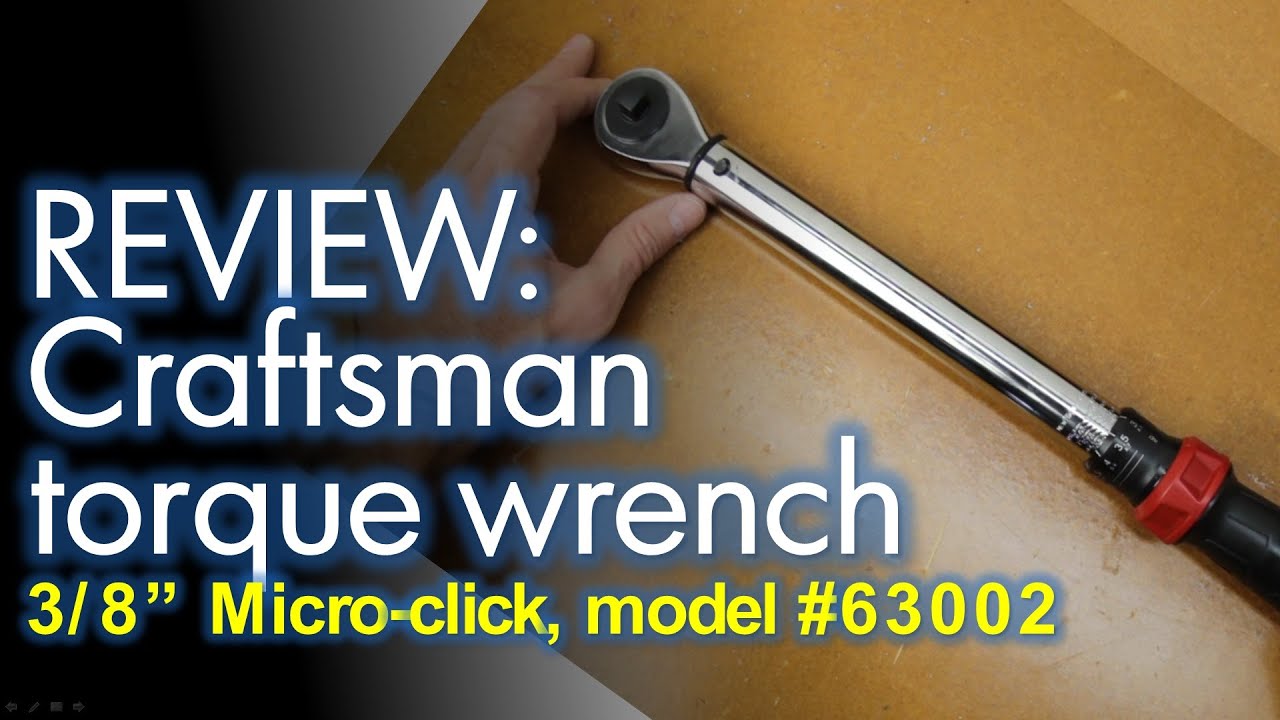
Credit: www.youtube.com
Credit: www.reddit.com
Frequently Asked Questions
How Do You Use A Torque Wrench Step By Step?
To use a torque wrench, first set the desired torque level. Attach the wrench to the fastener. Turn the wrench slowly until it clicks or indicates the set torque. Stop immediately to avoid over-tightening. Always store the wrench at its lowest setting to maintain accuracy.
Are Craftsman Torque Wrenches Any Good?
CRAFTSMAN torque wrenches are reliable and durable, making them a popular choice among DIY enthusiasts and professionals. They offer accurate torque settings and are easy to use. Their build quality ensures longevity, providing excellent value for money. Users appreciate their performance for automotive and mechanical tasks.
How To Open A Craftsman Torque Wrench Case?
To open a CRAFTSMAN torque wrench case, locate the latch or clips. Gently press or slide them to unlock. Lift the lid carefully to access the wrench. Ensure all clips are disengaged before opening to avoid damage.
Do You Hand Tighten Before Using A Torque Wrench?
Yes, always hand tighten bolts before using a torque wrench. It ensures proper alignment and prevents cross-threading. This initial step helps achieve accurate torque settings and enhances safety. Hand tightening is crucial for effective and precise torque application.
Conclusion
Using a Craftsman torque wrench is straightforward. Start by setting the desired torque. Ensure the wrench clicks to signal the correct torque. Practice makes perfect in achieving accuracy. Regular maintenance extends the tool’s life. Clean after use. Store it properly to avoid damage.
A torque wrench is essential for precise work. Ideal for automotive tasks. Using it correctly ensures safety and efficiency. Always refer to the user manual. Follow guidelines for best results. A Craftsman torque wrench is a reliable choice. Perfect for your toolbox.
Enjoy precise and safe work every time.