Have you ever wondered how to elevate your woodworking projects to a professional level? Using a router on wood can be the game-changer you’ve been looking for.
Imagine transforming plain edges into intricate designs or creating perfectly smooth surfaces with ease. Whether you’re a seasoned woodworker or just starting, understanding how to master a router can unlock a new world of possibilities for your craft. In this guide, you’ll discover simple, actionable steps to harness the power of a router, turning your ideas into reality.
Get ready to learn how you can make your next woodworking project stand out and impress everyone with your skills. Curious about how to get started? Keep reading to find out!
Choosing The Right Router
Selecting the right router for wood involves understanding its features and capabilities. Consider the power and speed for smooth operation. Ensure the router’s compatibility with various bits to achieve precise cuts.
Choosing the right router can make or break your woodworking projects. A great router not only simplifies your tasks but also elevates the quality of your work. Whether you’re smoothing edges or creating intricate designs, the right tool ensures precision and efficiency.Types Of Routers
Routers come in various types, each suited for different tasks. Plunge routers are versatile and allow you to lower the bit into the wood, making them perfect for interior cuts. Fixed-base routers are ideal for edge work and are generally easier to handle for beginners. Have you considered a trim router? It’s lightweight and perfect for small, detailed tasks. Picking the right type depends on the complexity and scale of your projects.Selecting Router Bits
Choosing the right router bit is like selecting the right brush for a painting. Do you need a straight bit for clean cuts and grooves, or a round-over bit for smooth edges? How about a chamfer bit to add that extra flair to your edges? Each bit has its specific use, and knowing their functions can greatly enhance the outcome of your project. Look at the material and design you aim for, and select bits that will bring that vision to life. Choosing the right router and bits requires some thought, but it’s worth the effort. What are your experiences with different routers? Share your thoughts and let’s learn together.Essential Safety Precautions
Always wear safety goggles and gloves when using a router on wood. Secure the wood firmly to prevent movement. Choose the right router bit for your project to avoid mishaps and ensure smooth operation.
When you’re about to use a router on wood, taking essential safety precautions is crucial. Without the right measures, you might face unnecessary risks. Understanding and implementing these precautions can save you from harm and ensure your woodworking projects go smoothly.Protective Gear
Wearing the right protective gear is non-negotiable. Always wear safety goggles to protect your eyes from flying debris. Ear protection is also key, as routers can be quite loud. Don’t forget a dust mask to avoid inhaling wood particles. Your hands are your most important tools. Use gloves that offer a good grip without compromising dexterity. This helps you maintain control over the router. Some might find gloves cumbersome, but they can prevent nasty splinters and cuts. Remember the time you tried to rush without these precautions? It likely didn’t end well. You learned the hard way that a few seconds to gear up can save a lot of trouble later.Safe Workspace Setup
A clutter-free workspace is your best friend. Make sure there’s plenty of room to maneuver your wood pieces and router. A tidy space reduces the risk of accidents and increases efficiency. Ensure your workbench is stable. A wobbly surface can lead to slips that might cause injury or ruin your workpiece. Secure the wood properly using clamps, so it doesn’t shift during routing. Are your tools within reach? Constantly reaching for tools can distract you from the task at hand. Keep them organized and nearby to maintain focus on your project. Have you considered the lighting in your workspace? Adequate lighting helps you see the details of your work clearly, reducing mistakes. If you’ve ever tried to work in dim light, you know how easy it is to slip up. By following these safety precautions, you prepare yourself for a successful and safe woodworking experience. What safety tips have you found indispensable in your projects?Setting Up The Router
Easily shape and carve wood using a router. First, securely clamp your wood piece to avoid movement. Adjust the router bit to your desired depth, then guide it smoothly along the wood’s edge for a clean cut.
Setting up the router is crucial for precise woodwork. A well-configured router ensures smooth cuts and enhances craftsmanship. Beginners need to understand the importance of setting it up correctly. This section guides you through the essential steps for a seamless setup.Adjusting Depth
Depth adjustment impacts the cut’s quality. Start by unplugging the router for safety. Locate the depth adjustment knob or lever. Turn it to set the desired depth. Use a scrap piece of wood to test the depth. Adjust until satisfied with the cut. Depth settings vary for different wood types. Ensure the depth matches your project requirements.Securing The Router Bit
Securing the router bit is vital for stability. Begin by selecting the right bit for your task. Insert the bit into the collet. Tighten the collet nut firmly using a wrench. Ensure the bit is straight and secure. Loose bits can damage your workpiece. Double-check the tightness before starting. Safety goggles are recommended during this process. Properly secured bits lead to cleaner and safer cuts.Credit: www.toolstop.co.uk
Basic Router Techniques
Basic router techniques are essential for woodworking enthusiasts. These techniques help in shaping wood precisely. A router is a versatile tool that can create stunning designs. Learning its basics enhances your woodworking skills.
Edge Routing
Edge routing involves trimming and shaping the edges of wood. It adds a professional touch to your projects. Use a router with a suitable bit for clean cuts. Ensure the wood is stable while routing. This prevents uneven edges and ensures smooth finishes. Practice makes perfect in achieving sharp and defined edges.
Grooving And Slotting
Grooving and slotting are techniques used for creating channels in wood. These are crucial for joints and decorative elements. Choose the right bit to match the groove size you need. Secure the wood firmly to avoid movement during routing. Consistent pressure ensures uniform depth in grooves. Test on scrap wood before working on your main piece. This helps in avoiding errors and achieving precise results.
Advanced Routing Skills
Advanced routing skills transform basic woodwork into stunning creations. These skills require precision and creativity. Mastering them can elevate your projects to professional level. With practice, these techniques become second nature. Let’s explore two advanced skills: template routing and inlay joinery.
Template Routing
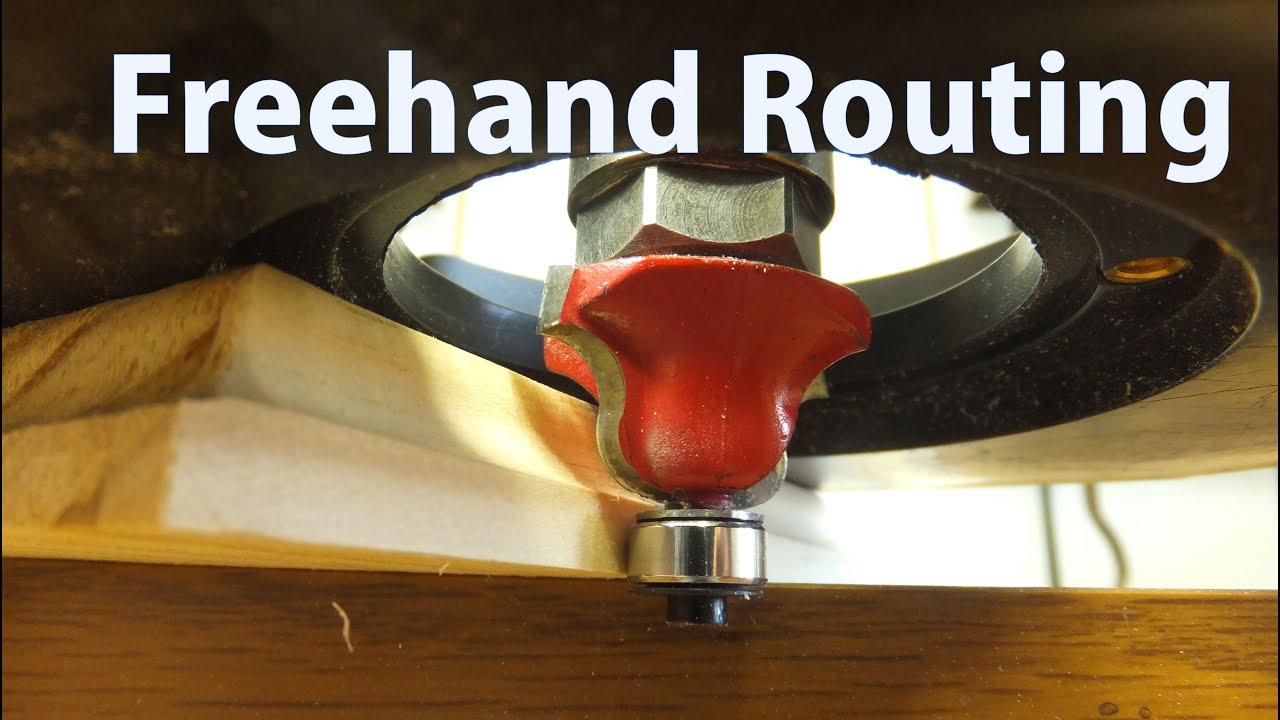
Template routing involves using a guide to shape wood. This ensures uniformity and accuracy in cuts. Start by creating or purchasing a template. Secure it firmly onto your wood piece. Use a router with a bearing bit to follow the template. This technique is perfect for repeated shapes or patterns. It saves time and reduces errors.
Inlay And Joinery
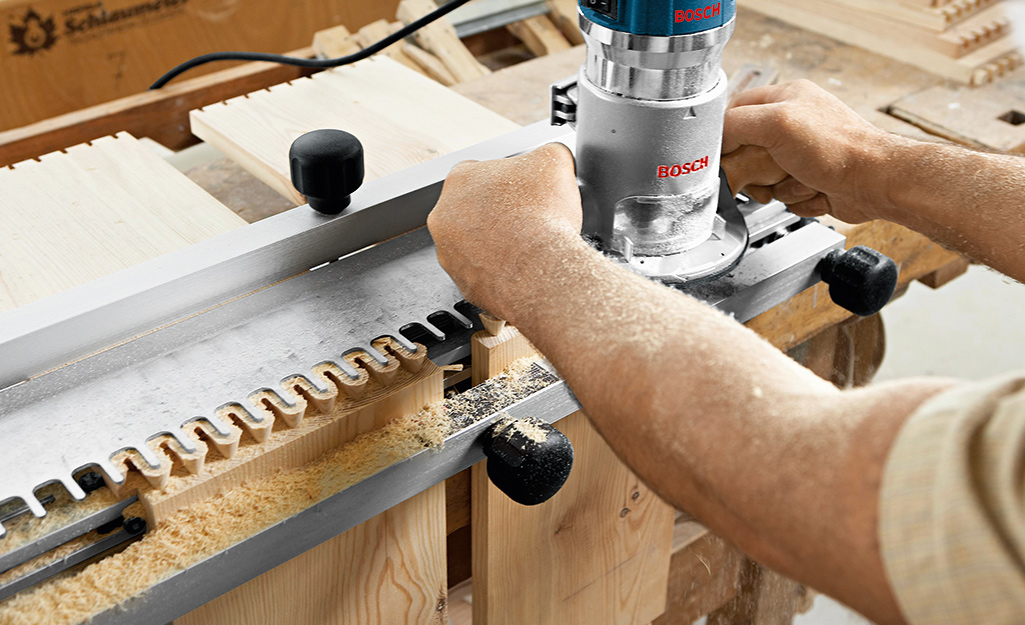
Inlay work involves embedding one material into another. It adds elegance and detail to wood projects. Begin by creating a recess in your wood piece. This is done with a plunge router. Select contrasting materials for visual impact. Carefully fit these into the recess. Joinery, on the other hand, deals with connecting wood pieces. Precision is key for strong, seamless connections. Use dovetail or box joints for a professional finish.
Credit: www.youtube.com
Troubleshooting Common Issues
Using a router on wood can sometimes lead to unexpected problems. Recognizing and fixing these common issues is essential. It ensures a smooth and efficient woodworking process. Understanding these problems helps in achieving a perfect finish.
Avoiding Tear-out
Tear-out occurs when wood fibers break or splinter. To avoid this, always use a sharp bit. A dull bit increases the risk of tear-out. Choose the right feed rate. Too fast or too slow can cause problems. Clamp the wood securely to reduce movement. Use a backer board for extra support. It prevents splintering at the edges.
Fixing Burn Marks
Burn marks can ruin the appearance of your wood project. They often result from the router bit spinning too fast. Adjusting the speed can help reduce this. Clean the router bit regularly. Dust and resin buildup can cause overheating. Use a consistent feed rate. Irregular movements can cause the wood to scorch. Sand the surface gently to remove minor burn marks. Ensure the wood is cool before sanding.
Maintenance And Care
Proper maintenance and care of your wood router ensures its long life. Regular upkeep keeps it working smoothly and efficiently. This also saves you money on repairs. Let’s explore essential steps to maintain your router.
Cleaning The Router
Dust and debris can affect your router’s performance. Clean the router after each use. Use compressed air to remove dust from hard-to-reach areas. A soft brush can help with stubborn particles. Wipe the exterior with a damp cloth to remove any residue. Always ensure the router is unplugged before cleaning.
Storing Router Bits
Proper storage of router bits is essential. It keeps them sharp and ready for use. Use a dedicated case to prevent damage. Store bits in a dry place to avoid rust. Label each bit for easy identification. This saves time during your projects. Regularly inspect bits for wear and tear.
Credit: www.homedepot.com
Frequently Asked Questions
How To Router Wood For Beginners?
Start by selecting the right router bit for your project. Secure the wood on a flat surface. Adjust the depth and speed settings. Hold the router firmly and guide it along the wood edge smoothly. Practice on scrap wood to build confidence and achieve desired results.
Which Way Do You Run Wood Through A Router?
Run wood through a router against the rotation of the bit. This ensures clean, controlled cuts. Always maintain a firm grip on the wood for safety. Proper feed direction prevents tear-out and ensures precision.
What Can You Do With A Router For Beginners?
A router connects multiple devices to the internet wirelessly. Beginners can set up Wi-Fi networks, manage connected devices, and secure their network with passwords. It enhances internet access throughout your home and allows easy online connectivity for smartphones, laptops, and smart gadgets.
What Not To Do When Using A Router?
Avoid placing the router in enclosed spaces or near metal objects. Don’t ignore firmware updates. Refrain from using weak passwords. Avoid overloading the router with too many devices. Don’t neglect security settings and firewall configurations.
Conclusion
Using a router on wood can enhance your DIY projects. Start slow and practice regularly. Choose the right bit for your design. Always prioritize safety with goggles and gloves. Keep the router steady for clean cuts. Experiment with different techniques.
Mistakes are part of learning. With time, you’ll improve your skills. Your projects will look more professional. Remember, patience is key. Enjoy the process and have fun creating. Woodworking can be a rewarding hobby. Keep exploring and learning new methods.
Happy woodworking!