Are you ready to unlock the secrets of measuring voltage with a clamp meter? Imagine having the power to diagnose electrical issues with confidence and precision.
Whether you’re a seasoned electrician or a curious DIY enthusiast, mastering the use of a clamp meter can transform your approach to electrical work. You’re about to discover a tool that not only enhances your skill set but also saves you time and effort.
Dive into this guide and equip yourself with the knowledge you need to harness the full potential of your clamp meter, ensuring that every electrical project is a success. Let’s get started on this electrifying journey!
Choosing The Right Clamp Meter
Selecting a clamp meter requires understanding its use for measuring voltage safely. Ensure it supports AC/DC voltage measurement. Check that it has clear display and accurate readings.
Choosing the right clamp meter is crucial for accurate voltage measurements. The market offers various models, each tailored for specific needs. To ensure you pick the right one, consider the types of clamp meters and their features.Types Of Clamp Meters
Clamp meters come in different types. Digital clamp meters are common. They provide digital readings for ease of use. Analog clamp meters are another option. They offer a traditional needle display. True RMS clamp meters measure complex signals accurately. They are ideal for non-linear loads.Features To Consider
Accuracy is a key feature. A good clamp meter offers precise readings. Consider the meter’s range. It should match your voltage requirements. Safety ratings are important. Look for meters with high safety standards. Display quality matters too. A clear display ensures easy reading. Auto-ranging can simplify usage. It adjusts the range automatically. Consider portability. A compact design is easy to handle. Battery life affects usability. Choose a meter with long-lasting power.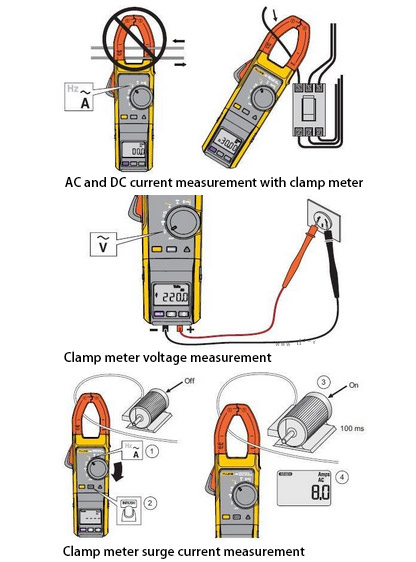
Credit: www.ato.com
Preparing For Voltage Measurement
Using a clamp meter to measure voltage requires careful preparation. This ensures accuracy and safety. Before you start, know the steps involved. These steps will help you avoid common mistakes.
Voltage measurement can be dangerous. Always prioritize safety and gather the right tools. Let’s explore these essential steps in detail.
Safety Precautions
Safety must always come first. Wear protective gear like insulated gloves. Avoid working in wet conditions. Ensure your work area is well-lit. Always check the clamp meter’s condition. Look for any damage or wear. Never use a faulty device.
Understand the voltage range of your meter. Using it beyond its limits can be hazardous. Stay alert and focused during the measurement process. Distractions can lead to accidents.
Gathering Necessary Tools
Before you begin, gather all necessary tools. A clamp meter is essential, obviously. Make sure it’s calibrated correctly. Have a set of test leads available. These help in connecting the meter to the circuit. A user manual can be handy too.
Use a notebook to record your readings. This helps in tracking and analyzing data. Keep a flashlight nearby for dimly lit areas. Lastly, ensure your workspace is clean and organized. This minimizes the risk of errors.
Setting Up The Clamp Meter
Setting up a clamp meter for voltage measurement is simple. First, select the AC or DC voltage setting. Then, open the clamp and encircle the wire. Ensure the wire is isolated for accurate readings.
Setting up your clamp meter is the first crucial step in accurately measuring voltage. Whether you’re a seasoned electrician or a curious DIY enthusiast, understanding how to correctly configure your clamp meter can make all the difference. It’s not just about flipping switches—it’s about precision and safety. Imagine the satisfaction of knowing your readings are spot-on because you took the time to set it up properly. Let’s explore how you can adjust the settings and test the functionality of your clamp meter to ensure flawless operation.Adjusting Settings
Begin by selecting the correct voltage range on your clamp meter. This often involves turning a dial or pressing a button to choose between AC and DC voltage. Ensure your meter is set to measure voltage, not current. Double-check this before proceeding, as misconfiguration could lead to inaccurate readings. Look at the display settings. Is the screen clear and easy to read? Adjust the backlight or contrast if necessary to ensure visibility in various lighting conditions.Testing Functionality
Before measuring anything, test the functionality of your clamp meter. Use the built-in test function, if available, to ensure all components are working as expected. Take a moment to inspect the clamp itself. Are there any visible damages or obstructions? An overlooked issue could throw off your entire measurement. Try measuring a known voltage source as a quick test. This step verifies that your settings are correct and your meter is functioning properly. How confident are you in the readings you’re getting? By setting up your clamp meter with care, you are laying the foundation for accurate and reliable measurements. It’s about more than just getting a number—it’s about understanding and trusting that number. Why not take a few extra minutes to ensure your setup is impeccable?Measuring Voltage With A Clamp Meter
Measuring voltage with a clamp meter is a straightforward task that can save you time and effort. Unlike traditional meters that require direct contact, clamp meters allow you to measure without breaking the circuit, offering safety and convenience. If you’ve ever hesitated to tackle electrical tasks due to fear or uncertainty, using a clamp meter can boost your confidence and accuracy. Let’s dive into how you can easily measure voltage using this handy tool.
Positioning The Clamp
First, ensure your clamp meter is set to the voltage measurement mode. This is typically indicated by a “V” symbol on the dial. Once ready, locate the wire or conductor you need to measure.
Open the jaws of the clamp meter and position them around the conductor. Make sure the jaws are fully closed around the wire to ensure accurate readings. If you’re measuring in a tight space, adjust the wire or your position to get a clear grip with the clamp.
Remember, the clamp must encircle the wire completely. Are there any obstacles blocking the wire? Adjust your approach to get a perfect fit.
Interpreting Readings
Once the clamp is secure, check the display for the voltage reading. The digital screen will show the voltage present in the wire.
Read the value displayed and compare it with expected ranges. Are the readings within the normal operating voltage for your device or system?
Consider documenting your readings if you need to track changes over time. If you notice any unexpected values, it might be worth investigating further. Can you spot any anomalies that could indicate a problem? Use these insights to maintain or troubleshoot your electrical systems effectively.
Using a clamp meter can transform how you approach electrical measurements. Have you tried measuring voltage with a clamp meter? Share your thoughts and experiences in the comments below!
Troubleshooting Common Issues
Using a clamp meter to measure voltage can solve many electrical problems. Start by setting the meter to the correct voltage range. Ensure the clamp jaws encircle the wire properly for accurate readings.
When using a clamp meter to measure voltage, you might encounter a few bumps along the way. These common issues can lead to incorrect readings, which might leave you scratching your head. Understanding how to troubleshoot these problems can save you time and ensure accurate results.Identifying Incorrect Readings
Sometimes, your clamp meter might display a voltage reading that seems off. This could happen due to a loose connection or improper positioning on the conductor. Ensure that the jaws of the clamp meter completely encircle the wire without any gaps. If you’ve ever faced the frustration of unexpected numbers flashing on the screen, you’re not alone. Double-check the meter’s settings to confirm it’s set to measure voltage, not current or resistance. Taking a moment to verify these details can prevent errors and maintain your sanity.Resolving Calibration Problems
Calibration is key to accurate readings. If your clamp meter hasn’t been calibrated recently, it might not provide precise measurements. Check the manufacturer’s guidelines on how often your device should be calibrated. Sometimes, you might notice readings drifting or fluctuating. This could be a sign that your meter requires a calibration check. You can usually find instructions in the user manual or online resources to help you recalibrate your device. By addressing these potential issues, you not only improve your measurement accuracy but also extend the lifespan of your equipment. Have you ever wondered why your readings occasionally seem inconsistent? Ensuring your clamp meter is properly calibrated and maintained might just be the answer.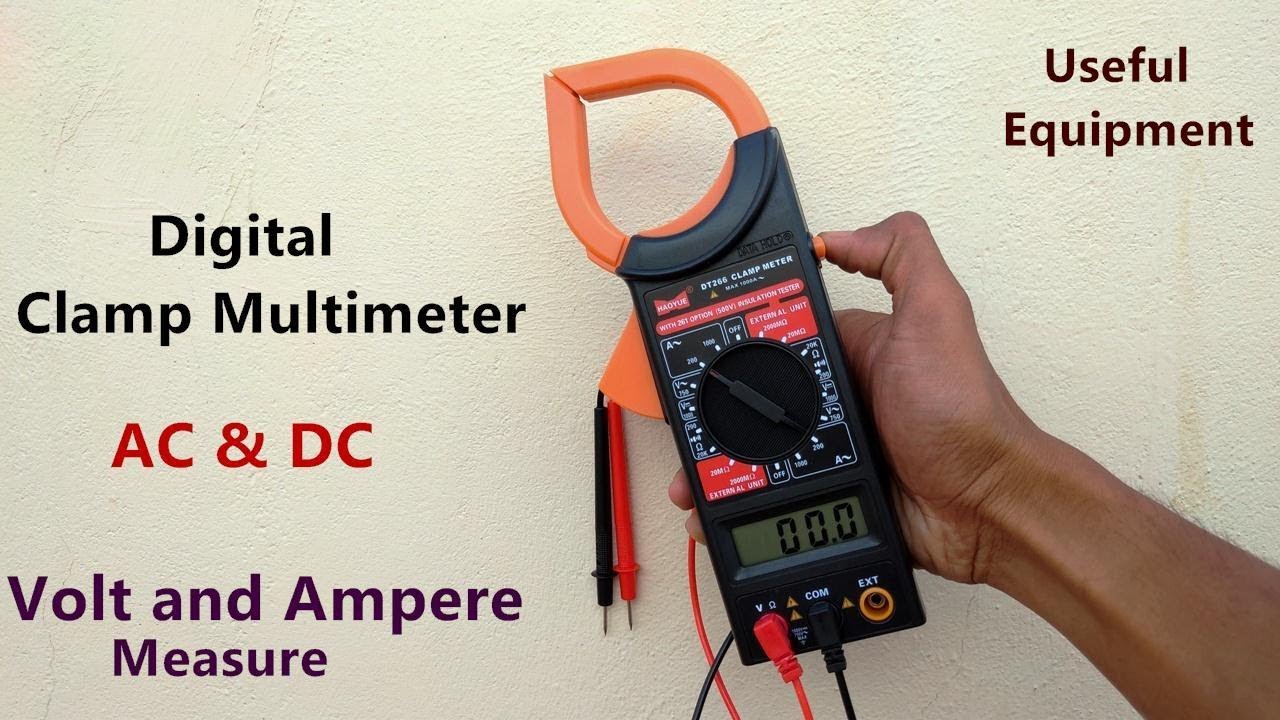
Credit: www.youtube.com
Expert Tips For Accurate Measurements
Using a clamp meter for voltage measurements ensures accuracy and safety. Start by setting the meter to the correct voltage range. Carefully clamp the jaws around the conductor, avoiding other wires for precise readings.
To achieve precise readings with a clamp meter, understanding expert techniques is crucial. Accurate measurements not only ensure the effectiveness of your electrical work but also enhance safety. Let’s delve into essential tips that will make your voltage measurements both reliable and efficient.Avoiding Measurement Errors
Measurement errors can lead to incorrect conclusions and potential safety hazards. Always ensure that the meter is set to the correct function and range before use. It’s easy to overlook this step, especially when you’re in a hurry, but it can make all the difference. When measuring voltage, place the clamp around a single conductor. Avoid clamping over multiple wires as this can skew the readings. One time, I clamped over a bundle of wires and got an unexpectedly high reading, which made me double-check my setup. Double-check that your clamp meter’s jaws are completely closed around the conductor. A slightly open jaw can lead to inaccurate readings. Ask yourself: is the reading surprisingly high or low? If so, re-evaluate your setup.Maintaining Your Clamp Meter
Maintenance is key to long-lasting accuracy. Regularly inspect the meter for any physical damage. Look for cracks or loose parts that might affect its performance. Keep your clamp meter clean. Dust and grime can interfere with the device’s precision. Use a soft cloth to gently wipe it down after each use. Calibrate your clamp meter periodically. Calibration ensures that the readings remain accurate over time. Check the manufacturer’s guidelines for calibration intervals. If you’ve ever doubted your readings, it might be time for a recalibration. By applying these practical tips, you can improve the accuracy of your voltage measurements and extend the life of your clamp meter. What unexpected insight or personal tip have you discovered while using a clamp meter? Share your experience in the comments below!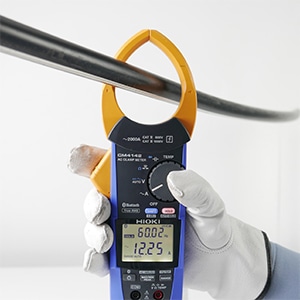
Credit: www.hioki.com
Frequently Asked Questions
How Do You Measure Voltage With A Clamp Meter?
Set the clamp meter to the voltage setting. Connect the test leads to the meter. Touch the leads to the circuit’s test points. Read the voltage displayed on the meter screen. Ensure proper contact for accurate measurement. Always follow safety guidelines while measuring voltage with a clamp meter.
How To Use A Clamp Meter For Beginners?
To use a clamp meter, open the jaws and clamp around the conductor. Select the correct setting. Read the measurement on the display. Ensure safety by not touching live wires. Always follow the manufacturer’s instructions for accurate readings.
Can A Clamp Meter Work As A Multimeter?
A clamp meter can measure current without contact but lacks full multimeter functions. It typically measures AC current. To measure voltage, resistance, or continuity, you need a multimeter. Some advanced clamp meters offer multimeter features, but they’re not as comprehensive.
Always check the specifications for specific capabilities.
How Do You Measure Amps On A 240v Circuit With A Clamp Meter?
To measure amps on a 240V circuit, clamp the meter around one conductor. Ensure the circuit is live. Select the AC current mode on the clamp meter. Read the displayed amperage value. Always prioritize safety by wearing protective gear and using a properly rated meter.
Conclusion
Using a clamp meter to measure voltage is straightforward and effective. Always ensure the meter is set to the correct mode. Double-check connections for safety. Practice makes perfect, so keep using your clamp meter. Remember, accurate readings depend on careful handling.
This tool is essential for anyone working with electrical systems. By mastering its use, you ensure safety and efficiency. Regularly refer to the manual for guidance. Stay informed about your equipment’s capabilities. Happy measuring, and stay safe!