Imagine having the power to measure tiny objects with absolute precision, right at your fingertips. That’s exactly what digital calipers offer you.
These handy tools are not just for engineers or machinists; they’re incredibly useful for anyone who needs accurate measurements. Whether you’re a DIY enthusiast or a professional seeking perfection in your projects, mastering the use of digital calipers can transform your work.
In this guide, you’ll uncover the secrets to using digital calipers efficiently and effectively. You’ll learn how to unlock their full potential, ensuring every measurement you take is spot-on. Ready to enhance your measurement skills? Let’s dive in and explore how digital calipers can become your new best friend in precision.
Credit: support.bantamtools.com
Choosing The Right Digital Caliper
Choosing the right digital caliper can make measuring tasks easier and more accurate. Digital calipers come in various types and have different features. Picking the best one can be overwhelming without proper guidance. This section will help you understand the types, key features, and brands to consider.
Types Of Digital Calipers
Digital calipers can be categorized based on their application. Vernier calipers are basic and offer manual readings. Dial calipers have a dial for easy viewing but require manual adjustment. Electronic digital calipers display measurements on a screen, providing higher precision. Each type serves different needs and preferences.
Key Features To Consider
Accuracy is crucial for reliable measurements. Check the caliper’s resolution, often displayed in millimeters or inches. A durable build ensures longevity and consistent performance. Look for stainless steel or carbon fiber materials. Battery life affects convenience; longer battery life means fewer interruptions. Easy-to-read displays enhance usability, especially in low-light conditions.
Brand Recommendations
Mitutoyo is renowned for precision and durability. Their digital calipers are favored in professional settings. Starrett offers high-quality tools with robust construction. They cater to both professionals and hobbyists. Neiko provides affordable options without compromising on quality. Ideal for beginners or those on a budget. Each brand offers unique benefits, so choose based on your specific needs.
Credit: www.thegeekpub.com
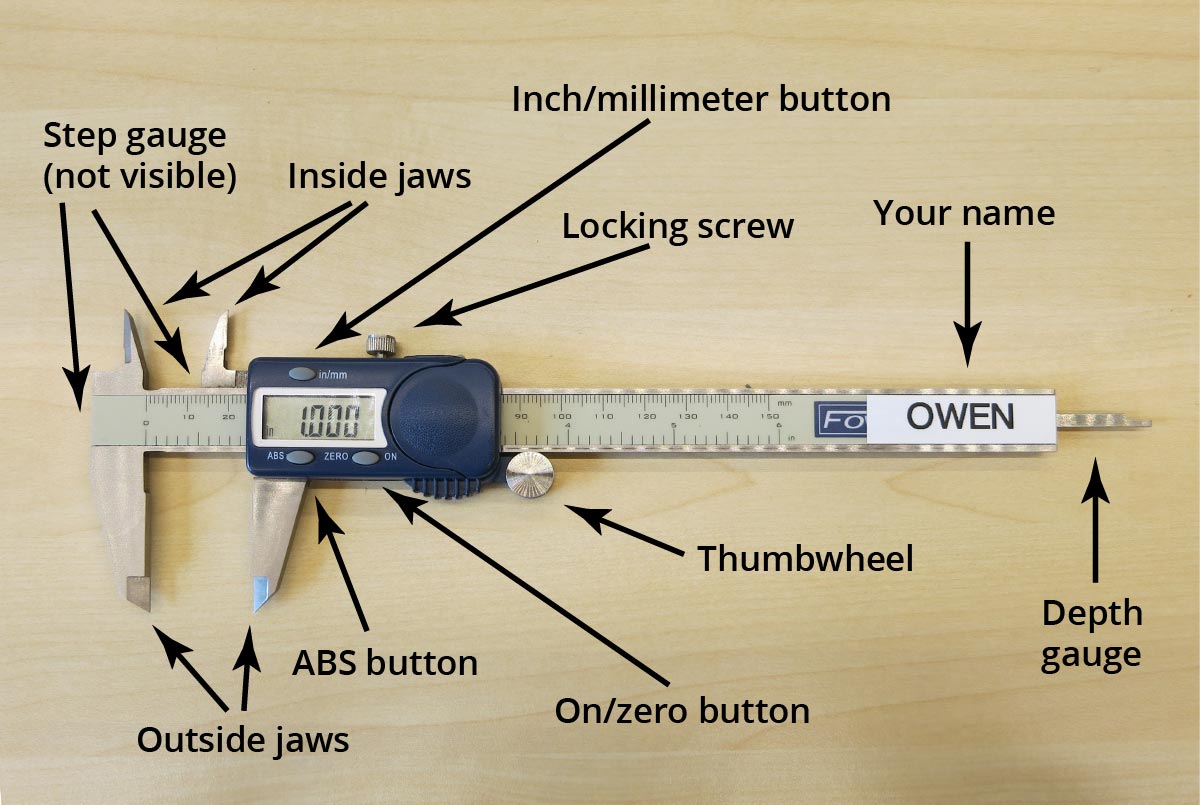
Basic Components Of Digital Calipers
Digital calipers are essential tools for accurate measurements. Understanding their components can make usage easier and more efficient. Let’s explore the basic parts of digital calipers, giving you insight into their functionality.
Understanding The Display
The display is a crucial part of digital calipers. It shows the measurement in a clear and readable format. Most displays are LCD screens. They provide digital readouts which are easy to interpret. The display often includes metric and inch units. This allows for versatility in measurements.
Exploring The Jaws
Jaws are the parts that grasp the object being measured. Digital calipers have two sets of jaws. The larger jaws measure outside dimensions. The smaller jaws measure inside dimensions. The jaws slide smoothly along the caliper’s beam. They ensure precise and accurate readings.
Identifying The Depth Rod
The depth rod is another vital component. It measures the depth of holes or slots. Located at the end of the caliper’s beam, it extends outward when needed. The depth rod provides precise depth measurements. It’s useful for tasks requiring detailed depth analysis.
Proper Handling Techniques
Digital calipers offer precise measurements. Hold them steady for accuracy. Gently close the jaws on the object. Always zero them before use. Store them in a case to prevent damage.
Mastering the art of using digital calipers can greatly enhance your precision in measurements, but it all starts with proper handling techniques. Mishandling can lead to inaccurate readings and even damage to the tool. Paying close attention to how you hold and calibrate your calipers can make all the difference. Let’s dive into some key techniques that will help you handle your digital calipers like a pro.Holding The Caliper Correctly
Grasp the caliper firmly but gently. Your hand should provide support without exerting too much pressure, which can misalign the jaws. Hold the caliper with your thumb and fingers, ensuring a stable grip. Position the caliper so that the display is easy to read. You don’t want to twist your wrist or strain your eyes each time you take a measurement. Imagine you are holding a delicate instrument, because you are!Zero Calibration Tips
Before starting, always zero your caliper. This ensures each measurement is accurate from the get-go. Turn the caliper on and close the jaws completely. Press the zero button to reset the measurement. Ensure the jaws are clean and free of debris. Even a small particle can skew your zero point, leading to inaccurate readings. A quick wipe with a clean cloth can make a big difference.Avoiding Common Handling Mistakes
Avoid holding the caliper by the jaws. This can lead to misalignment and inaccurate measurements. Instead, hold it by the body to maintain stability. Never force the jaws closed. If they don’t slide smoothly, inspect for dirt or damage. Forcing them can cause wear and tear, reducing the lifespan of your tool. Remember not to use the caliper for tasks it wasn’t designed for, like prying objects open. It’s tempting, but you risk bending the jaws and compromising accuracy. Have you ever found yourself frustrated with inconsistent readings? It might be due to poor handling habits. By focusing on these proper techniques, you can improve your measurement reliability and extend the life of your digital calipers.
Credit: makezine.com
Measuring Internal Dimensions
Measuring internal dimensions accurately is crucial in many tasks, whether you’re working on a DIY project or in a professional setting. Digital calipers offer precision and ease, but mastering their use can make all the difference. Let’s dive into how to use the inside jaws of digital calipers and ensure you get accurate readings every time.
Using The Inside Jaws
The inside jaws of digital calipers are specifically designed to measure internal dimensions. These are the smaller jaws located at the top of the caliper. To measure the inside diameter of a hole or the width of a slot, gently insert the inside jaws.
Open the jaws slowly until they touch the inner surfaces of the object you’re measuring. Make sure the caliper is perpendicular to the edges you’re measuring. This ensures a more precise reading.
Remember, the pressure applied when using the inside jaws should be firm but not excessive. Excessive pressure can lead to inaccurate readings or damage to the object.
Ensuring Accurate Readings
Accuracy is key when using digital calipers. Before starting, ensure the caliper is properly calibrated. Reset it to zero and check for any debris on the jaws.
When measuring, hold the caliper steady. Slight movements can lead to variations in the reading. Use a steady hand and take your time.
Consider measuring the same dimension multiple times. This helps confirm the accuracy of your readings. If you notice inconsistencies, verify the caliper’s calibration or consult the manual for troubleshooting tips.
Have you ever wondered why a slight tilt can change your measurement? It’s because even small angles can impact how the jaws interact with the surfaces. Always check your alignment!
Using digital calipers effectively can save you time and prevent costly mistakes. Start practicing on various objects to gain confidence in your skills. You’ll soon realize that precise measurements are not just about the tool, but the technique.
Measuring External Dimensions
Digital calipers are essential tools for precise measurements. They offer accuracy and ease of use for various applications. One common use is measuring external dimensions. This involves assessing the outer size of an object, crucial in many fields, from engineering to DIY projects.
Utilizing The Outside Jaws
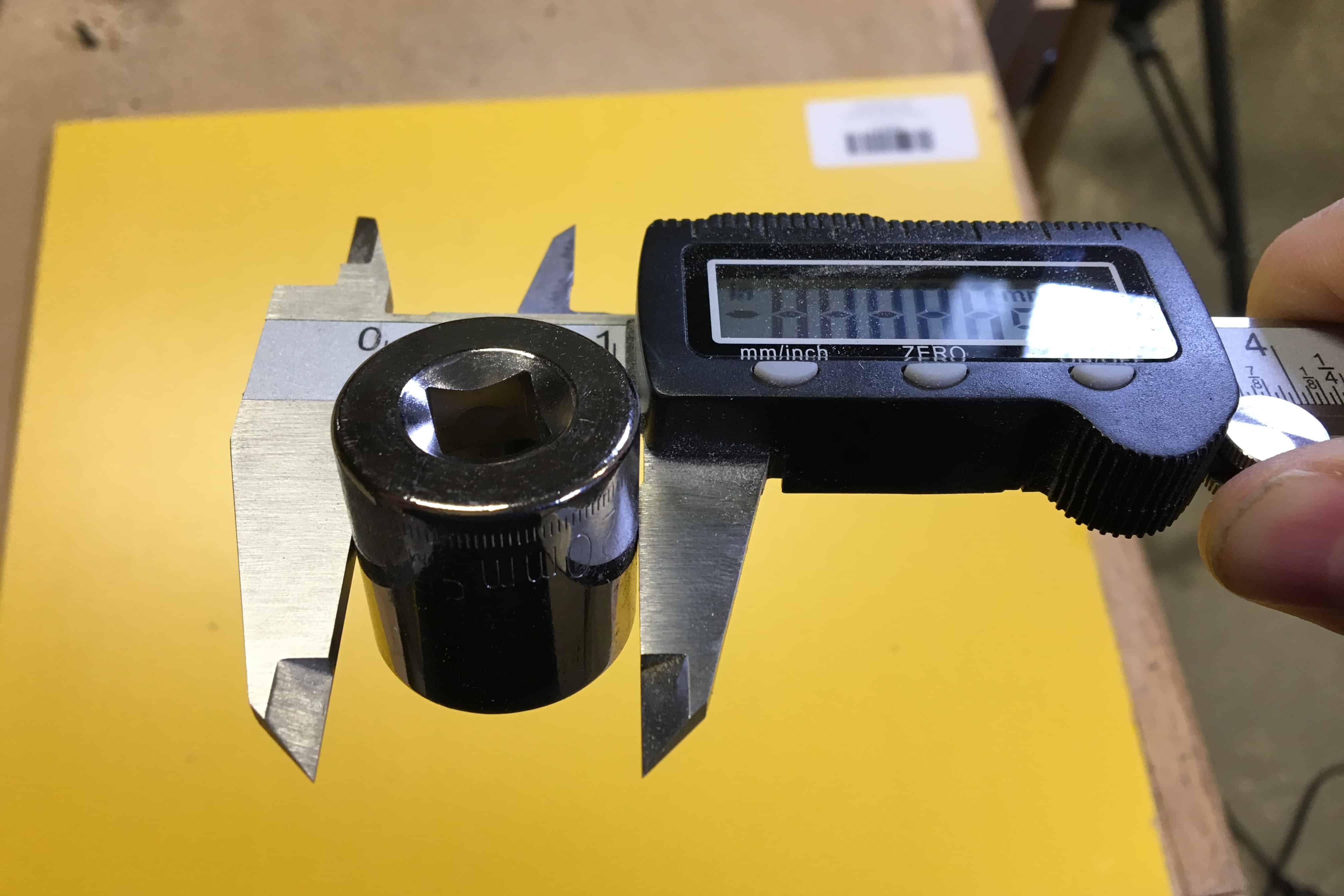
The outside jaws of a digital caliper measure external dimensions. Open the jaws and place them around the object. Ensure a snug fit without forcing. This provides accurate readings. The digital display shows the measurement instantly. Always check the display for clarity. Misreadings can lead to errors.
Tips For Precision
Precision requires practice and attention. Keep the caliper clean and free from dirt. Dirt can affect the accuracy of the jaws. Hold the caliper steady during measurement. Movement can cause incorrect readings. Use a gentle touch for adjustments. Rough handling may damage delicate parts. Regular calibration ensures consistent accuracy.
Measuring Depth And Step
Digital calipers are versatile tools. They are used for precise measurements. These tools are essential for professionals and hobbyists alike. Measuring depth and step accurately is crucial in many projects. This guide explains these functions. Follow these steps to enhance your measurement skills.
Using The Depth Rod
The depth rod is a slender extension. It is located at the bottom of the caliper. Use it for measuring depths. Place the caliper’s base on the object’s edge. Extend the rod into the hole or groove. Ensure the rod reaches the bottom. Read the measurement on the display. This gives you the exact depth.
Clean the rod before each use. Dirt can affect accuracy. Practice with different depths. This builds confidence in your skills.
Step Measurement Techniques
Measuring steps involves two surfaces. One surface is higher than the other. Open the caliper jaws. Place the depth rod on the lower surface. Slide the caliper until the upper jaw touches the higher surface. Check the reading on the display. This shows the step height.
Ensure the caliper is perpendicular. This prevents measurement errors. Regular practice helps in mastering this technique. Keep practicing with various objects. This ensures precision in step measurements.
Maintaining Your Digital Caliper
Caring for your digital caliper ensures accurate readings. Keep it clean and dry. Always store it in a protective case. Regularly check for calibration. Avoid dropping or exposing it to extreme temperatures. Proper maintenance extends the life of your tool.
Maintaining your digital caliper is crucial to ensure its longevity and accuracy. A well-maintained caliper not only provides precise measurements but also saves you from unnecessary expenses on replacements. Whether you’re a hobbyist or a professional, knowing how to care for this tool can make a significant difference in your work. Let’s dive into how you can keep your digital caliper in tip-top shape.Cleaning And Storage Practices
Regular cleaning is essential to keep your digital caliper functioning smoothly. Use a soft, lint-free cloth to wipe down the caliper after each use. This prevents dust and debris from interfering with the caliper’s movement or affecting its accuracy. Ensure that you store your digital caliper in a dry, secure place. Humidity can cause rust, and a cluttered workspace can lead to physical damage. Investing in a protective case can be a great idea. It shields your caliper from dust and accidental drops.Battery Replacement
A digital caliper relies on a small battery to function. It’s important to check the battery regularly to avoid unexpected shutdowns during critical measurements. If the display dims or the caliper becomes unresponsive, it’s time for a battery change. Replacing the battery is simple. Most digital calipers have a small compartment on the back. Use a screwdriver to open it, remove the old battery, and insert a new one. Ensure you have a spare battery on hand, especially if you use your caliper frequently. Maintaining your digital caliper might seem like a mundane task, but it’s an investment in your projects. Have you ever found yourself in a situation where a poorly maintained tool ruined your work? Avoid such scenarios by giving your caliper the care it deserves.Troubleshooting Common Issues
Using digital calipers can be simple, yet some issues may arise. Understanding how to troubleshoot common problems ensures accurate readings and a smooth user experience. This guide helps identify and resolve frequent issues with digital calipers.
Dealing With Inaccuracies
Inaccuracies can stem from dirt or debris on the caliper jaws. Clean the jaws with a soft cloth. Sometimes, incorrect zeroing causes errors. Always zero the caliper before measuring. Temperature changes can affect readings. Keep the caliper at room temperature for precise results.
Display Problems And Solutions
Display problems can occur due to weak batteries. Replace batteries regularly for clear visibility. If the display shows erratic numbers, reset the caliper by removing the battery. Wait a minute before reinserting it. Display problems can also be caused by moisture. Keep the caliper dry to prevent damage.
Advanced Tips For Expert Use
Digital calipers are a go-to tool for precision in measurement tasks. While basic usage is straightforward, mastering advanced techniques can elevate your measurement game. Whether you’re a seasoned professional or an enthusiastic hobbyist, these expert tips will enhance your capabilities. Let’s delve into some advanced strategies to maximize your digital caliper’s potential.
Enhancing Measurement Accuracy
Accurate measurements are the cornerstone of successful projects. It’s not just about reading the numbers on the screen; it’s about the steps you take to get them right.
Start by ensuring your calipers are properly calibrated. Regularly check them against a standard gauge block to maintain precision.
Position your calipers on the workpiece correctly. Hold them perpendicular to the surface to avoid skewed readings. This simple adjustment can dramatically improve accuracy.
Consider environmental factors. Temperature fluctuations can affect measurement results. Use your calipers in a stable environment to minimize discrepancies.
Would you trust your measurements in extreme conditions? Keeping these factors in mind will boost your confidence in your readings.
Using Calipers For Specialized Tasks
Digital calipers aren’t just for measuring lengths. Their versatility extends to more complex tasks.
Explore depth measurements. Most digital calipers come with a depth gauge, perfect for intricate designs or deep grooves.
Need to measure internal diameters? Use the internal jaws for precise readings inside tubes or holes. You might be surprised by the accuracy you can achieve with this technique.
In my experience, using calipers for specialized tasks like measuring thread pitch or gear teeth opens up new possibilities for precision engineering.
What unique challenges have you faced that could benefit from these advanced uses? Embrace the versatility of your digital calipers to tackle them head-on.
Frequently Asked Questions
How Do You Use A Digital Caliper Step By Step?
Turn on the digital caliper. Open the jaws and place them around the object. Read the measurement on the display. Press the zero button to reset if needed. Store it safely after use.
How Does A Digital Caliper Work?
A digital caliper measures dimensions using a linear encoder. It displays the measurement on a digital screen. Users can switch between metric and imperial units. Its jaws adjust to measure inside, outside, and depth dimensions accurately. Digital calipers ensure precision in various applications.
What Are The Four Ways You Can Use A Digital Caliper?
Use a digital caliper to measure inside dimensions, outside dimensions, depth, and step measurements accurately and efficiently.
How To Use Calipers For Dummies?
Open the calipers and place them on the object. Close the jaws gently for a snug fit. Read the measurement from the scale. Ensure the calipers are perpendicular to the object for accuracy. Recheck the measurement for consistency. Practice regularly for better precision and confidence.
Conclusion
Mastering digital calipers can enhance your measurement skills significantly. Practice often to gain confidence. Make sure to handle them with care. Always keep them clean for accurate results. Use them to measure a variety of objects. Remember, precision is key in measurement tasks.
Regular use will improve your accuracy. Digital calipers are a valuable tool in many fields. They offer precision and reliability. An essential tool for professionals and hobbyists alike. With these tips, you’re ready to use digital calipers effectively. Enjoy the process of becoming more precise and accurate in your work.