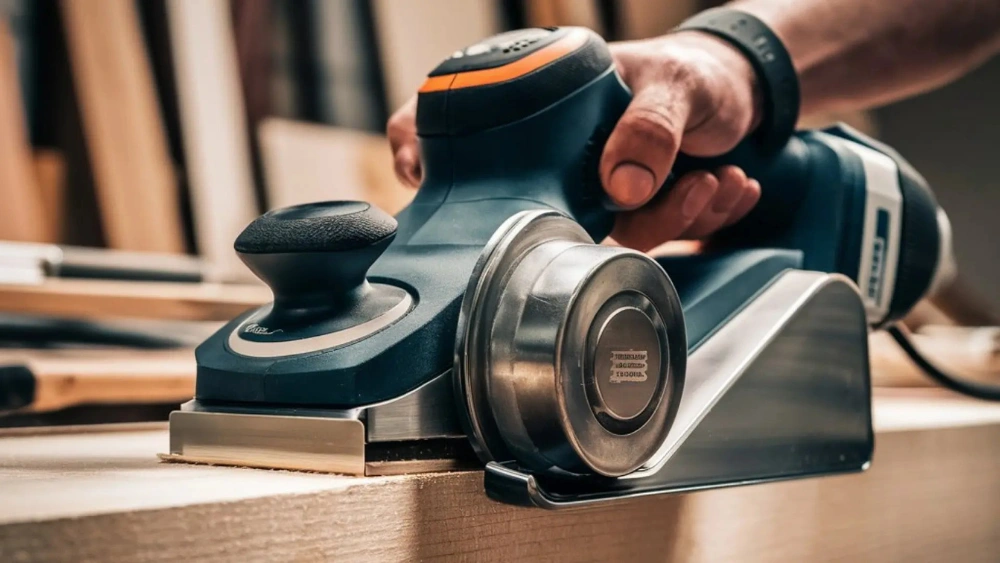
Imagine the smooth, polished feel of a perfectly planed piece of wood under your fingertips. That’s the magic of an electric hand planer.
Whether you’re a seasoned woodworker or a DIY enthusiast, mastering this tool can elevate your projects to a professional level. But how do you use it effectively without making costly mistakes? You’ll discover simple, step-by-step techniques to harness the power of an electric hand planer, ensuring your woodworking tasks are not only easier but also more enjoyable.
Dive in and learn how this tool can transform your craft, making each cut and finish a testament to your skill. Don’t let uncertainty hold you back; it’s time to unlock your full potential and see your creations come to life with flawless precision.

Credit: www.amazon.com
Choosing The Right Electric Hand Planer
Understanding how to use an electric hand planer involves selecting the right tool for smooth, precise woodworking. Consider factors like motor power, adjustable depth settings, and safety features. A lightweight design ensures easy handling for beginners.
Choosing the right electric hand planer is crucial for achieving smooth and precise finishes in your woodworking projects. Whether you’re a seasoned woodworker or just starting out, selecting the right tool can make all the difference. The market offers a range of options, so it’s important to focus on features that align with your needs and skills.Considerations For Beginners
If you’re new to woodworking, you might feel overwhelmed by the variety of electric hand planers available. Start by considering the weight of the tool. A lighter planer is easier to handle and control, making it perfect for those still learning the ropes. Another important aspect is ease of use. Look for models that offer user-friendly features such as simple depth adjustment knobs. These can help you focus more on the project rather than struggling with the tool itself. Safety features like a lock-off button are also essential for beginners to prevent accidental starts.Features To Look For
When choosing an electric hand planer, certain features can enhance your woodworking experience. Consider the planer’s motor power. A motor with higher wattage provides more cutting power, allowing you to work with harder woods more efficiently. Look for planers with adjustable cutting depth. This gives you the flexibility to tackle various projects, from delicate trim work to removing large amounts of material. A dust collection system is another feature to consider. It keeps your workspace clean and ensures you can see your work clearly. You might also want to look at the planer’s blade type. Carbide blades are durable and stay sharp longer, which can save you time and effort in the long run. Have you thought about how much time you spend changing blades or cleaning up dust? Choosing the right electric hand planer involves balancing your current needs with potential future projects. Consider what tasks you anticipate undertaking and select a planer that offers the versatility you require.Safety Precautions
Ensure your safety while using an electric hand planer. Always wear protective goggles and gloves. Secure the workpiece firmly before starting. Keep cords away from the cutting path. Maintain a stable stance to prevent slips. Regularly check for tool damage to avoid accidents.
Using an electric hand planer can transform your woodworking projects, giving them a professional finish. However, it’s crucial to prioritize safety to prevent accidents and ensure a smooth experience. Whether you’re a seasoned woodworker or a beginner, understanding and implementing safety precautions is a vital step in using this powerful tool effectively.Protective Gear
Before you start, equip yourself with the right protective gear. Safety goggles are essential to shield your eyes from flying wood chips. Consider wearing ear protection as well, since electric hand planers can be noisy. Don’t forget sturdy gloves to protect your hands from sharp edges. Remember, safety gear isn’t just for professionals—it’s for anyone using tools.Safe Handling Techniques
Handling an electric hand planer safely requires focus and technique. Always start by checking the blade before you plug in the device. Ensure it’s sharp and secure to avoid any mishaps. When planning, maintain a firm grip and guide the planer smoothly over the wood surface. Avoid applying excessive force, which can lead to uneven surfaces or tool kickback. Stay alert and keep your workspace tidy—tripping over clutter while holding a tool isn’t something you want to experience. Have you ever noticed how much easier it is to control a tool when your surroundings are organized? Taking a moment to clear your space not only enhances safety but also boosts your efficiency. As you get comfortable with these safety practices, you’ll find your woodworking projects not only safer but also more enjoyable.Preparing Your Workspace
Before diving into the world of electric hand planers, it’s crucial to set up your workspace properly. A well-prepared area will not only boost efficiency but also ensure safety. Imagine you’re about to embark on a woodworking project—having a clutter-free and stable workspace can make all the difference between a smooth process and a chaotic mess. Let’s explore how you can achieve a well-organized and stable environment for your next planing task.
Organizing Tools And Materials
Start by gathering all the necessary tools and materials you’ll need. This includes the electric hand planer, measuring tape, clamps, and any other equipment relevant to your project. Keep these items within arm’s reach to minimize distractions.
Consider creating a dedicated space for your planer and its accessories. You might use a small table or workbench where all your tools can be neatly arranged. This setup not only saves time but also keeps your workflow seamless.
Have you ever spent precious minutes searching for a misplaced tool? It’s frustrating, right? Keep your workspace tidy to avoid this hassle. Arrange tools in a logical order, perhaps by frequency of use, to make your work more efficient.
Ensuring A Stable Surface
A stable surface is vital for any woodworking task. Check your workbench or table for sturdiness. If it wobbles, consider reinforcing it with additional support or repositioning it for better stability.
For those working on portable surfaces, ensure they are securely locked in place. A shifting table can lead to uneven cuts and potential safety hazards. You want to focus on your craft, not worry about your table moving.
Have you ever tried planing on an uneven surface? It can lead to inconsistent results. Make sure your workspace is level and steady for precise planing. Wouldn’t you prefer your finished product to look professional rather than amateurish?
By organizing your tools and ensuring a stable surface, you’re setting yourself up for a smooth and successful planing experience. What’s one thing you can change about your current workspace to improve your efficiency today?

Credit: m.youtube.com
Setting Up The Electric Hand Planer
Setting up an electric hand planer involves checking the blade alignment and adjusting the depth setting for smooth operation. Securely plug in the tool, ensuring all safety features are engaged before use. Proper setup guarantees efficient and accurate wood planing.
Setting up an electric hand planer is crucial to ensure smooth and effective woodworking. Before you start, it’s essential to familiarize yourself with the tools’ features and settings. A well-prepared planer can save you time and effort. Imagine the ease of gliding through wood and achieving a flawless finish. Let’s dive into the key steps to get your electric hand planer ready for action.Adjusting Planer Settings
Adjusting the settings of your electric hand planer is like tuning a musical instrument. Begin by setting the depth of cut. Most planers have a knob or lever for this adjustment. A shallow cut is best for fine tuning, while deeper cuts can be used for more significant material removal. Next, consider the speed settings. Some models allow you to adjust the speed, which can be helpful depending on the type of wood you are working with. A slower speed might be necessary for harder woods, while faster speeds work well on softer materials. Remember, each wood has its own character. Take a piece of scrap wood and test your settings before proceeding to your main project. This practice not only saves your primary material but also prevents potential mishaps.Blade Installation And Maintenance
Blade installation in your electric hand planer is straightforward but requires attention to detail. First, ensure the planer is unplugged for safety. Locate the blade holder and remove any existing blades if necessary. Insert the new blades carefully, aligning them according to the manufacturer’s instructions. Maintaining these blades is crucial for optimal performance. Regularly check for any dullness or damage, as sharp blades ensure clean and precise cuts. A good habit is to clean the blades after each use to prevent buildup. Invest in a sharpening stone or a blade sharpener. A sharp blade is your best ally in achieving that professional finish. Consider this: how often have you faced frustration due to poor blade performance? A little maintenance goes a long way in avoiding those situations. Setting up your electric hand planer correctly can transform your woodworking experience. With the right adjustments and blade care, you’re not just preparing a tool; you’re setting the stage for craftsmanship and creativity. Have you ever thought about the simple joy of a smoothly planed surface? It’s one of those small victories that make woodworking rewarding.Basic Planing Techniques
Using an electric hand planer can transform your woodworking projects, making surfaces smooth and precise. Whether you’re a beginner or seasoned woodworker, understanding basic planing techniques is essential. These techniques help you achieve professional results with ease and confidence. Let’s dive into the fundamentals that will elevate your woodworking game.
Starting With Small Projects
Begin your journey with manageable projects to build your skills gradually. Think about crafting a small shelf or a picture frame. These projects allow you to get comfortable with the electric hand planer without feeling overwhelmed. It’s important to focus on technique rather than size. You might find that working on smaller pieces helps you understand how the tool responds to different types of wood. This is crucial as different woods behave differently under the planer, and observing these nuances with smaller projects can enhance your understanding significantly.
Achieving Smooth Surfaces
Smooth surfaces are the hallmark of a well-done planing job. To achieve this, pay attention to the grain direction of the wood. Planing against the grain can cause tear-outs, leaving rough patches on your work. Always ensure your strokes are consistent and even. You might wonder how many passes it takes to get that glass-like finish; sometimes, less is more. Don’t rush; let the planer glide naturally. If you find some areas are still rough, adjust your angle or pressure slightly rather than trying to force it. This gentle approach not only protects the wood but also extends the life of your planer blades.

Credit: www.amazon.com
Troubleshooting Common Issues
Using an electric hand planer can sometimes lead to unexpected issues. These common problems might disrupt your woodworking projects. Addressing them quickly ensures smooth and efficient operation. Let’s dive into some typical challenges and their solutions.
Dealing With Rough Cuts
Rough cuts often result from dull blades. Check the blades for sharpness before starting. Sharpen or replace them if necessary. Also, inspect the surface of the wood. Dirt or debris can cause rough cuts. Clean the wood thoroughly to prevent this.
Another reason might be incorrect planing speed. Too fast can cause the planer to skip, leading to rough cuts. Adjust the speed for a smoother finish. Make sure to maintain consistent pressure. Uneven pressure can also contribute to rough cuts.
Fixing Uneven Planing
Uneven planing usually occurs due to improper blade alignment. Check the blade’s position and adjust as needed. Ensure both sides are level with each other. This alignment helps achieve a uniform surface.
Also, examine the base plate of the planer. A misaligned base plate can lead to uneven results. Adjust it so it sits flat against the wood. Consistency in handling is crucial. Maintain a steady hand to avoid tilting the planer.
Lastly, check the wood’s grain direction. Planing against the grain may cause uneven surfaces. Always follow the grain for the best outcome.
Tips For Efficient Planing
Using an electric hand planer can transform your woodworking projects. It helps achieve smooth surfaces with minimal effort. To get the best results, follow these tips for efficient planing. They focus on speed, precision, and maintaining consistent pressure. These tips ensure your work is both quick and accurate.
Improving Speed And Precision
Start by setting the correct depth for the planer blade. A shallow cut is usually better. It reduces the risk of gouging. Move the planer in a steady, even motion. This helps maintain a smooth surface. Practice makes perfect, so try on scrap wood first. Adjust your speed based on the wood type and grain direction.
Keep your eyes on the surface you’re planing. It helps spot any irregularities quickly. Use both hands for better control. One hand guides the planer, while the other provides stability. This technique enhances your accuracy and speed.
Maintaining Consistent Pressure
Apply even pressure across the planer’s base. Uneven pressure can lead to dips or uneven surfaces. Start with firm pressure on the front handle. As you move, shift pressure to the rear handle. This ensures a balanced cut throughout the planing process.
Avoid pressing too hard. It can strain the motor and damage the wood. Let the planer do most of the work. Keep a relaxed grip to maintain smooth movement. Consistent pressure results in a polished, professional finish.
Care And Maintenance
Your electric hand planer can be a trusty tool in your woodworking arsenal, but like any tool, it requires proper care and maintenance to keep it in tip-top shape. Neglecting these steps can lead to reduced efficiency and even damage. Wondering how to extend the life of your electric hand planer? Let’s dive into some straightforward care and maintenance practices that will keep your planer performing at its best.
Cleaning After Use
Every time you finish using your electric hand planer, take a few minutes to clean it. Dust and wood shavings can accumulate quickly, affecting the tool’s performance. Use a soft brush or compressed air to remove debris from the blades and vents.
If you’ve ever found your planer struggling mid-project, a simple cleaning might just be the answer. A clean tool not only works better but also saves you from unnecessary frustration.
Storage Tips
Storing your electric hand planer properly is essential for its longevity. Keep it in a dry, clean place to avoid moisture buildup which can lead to rust. Consider investing in a protective case if you don’t already have one; it’s a small purchase that can make a big difference.
Have you ever misplaced a tool because it didn’t have a designated spot? A storage case keeps your planer safe and easy to find when you need it. It’s a simple way to make sure your tool is ready to go for your next project.
Taking these steps isn’t just about maintaining your tool; it’s about enhancing your workflow. What small changes can you make to improve your tool care routine? Start today and see the difference in your projects.
Frequently Asked Questions
How To Use Electric Planer For Beginners?
Start by securing the workpiece on a stable surface. Adjust the depth setting for desired cut. Hold the planer firmly with both hands. Guide it smoothly along the wood grain. Maintain consistent pressure for even results. Always wear safety gear to protect your eyes and ears.
What Can You Do With An Electric Hand Planer?
An electric hand planer smooths rough wood surfaces, reduces thickness, and removes excess material. It creates precise edges and shapes, levels uneven wood, and removes paint or varnish. Ideal for door adjustments and furniture refinishing, it enhances woodworking efficiency and accuracy.
How Do Electric Hand Planer Work?
An electric hand planer smooths wood surfaces by using a rotating blade drum. The user guides it across the wood, shaving off thin layers. Adjustable depth settings allow precise material removal, creating a flat, even surface. It’s ideal for leveling, shaping, and smoothing wooden workpieces efficiently.
Can You Flatten A Board With An Electric Hand Planer?
Yes, an electric hand planer can flatten a board effectively. Adjust the depth setting for optimal results. Use even pressure and smooth strokes to achieve a level surface. Regularly check for flatness and make necessary adjustments. Ensure the blades are sharp for precise cuts and a smoother finish.
Conclusion
Using an electric hand planer can make woodworking easier. It’s important to follow safety tips and read the manual. Practice on scrap wood before starting your project. Adjust the depth for smooth and even finishes. Check the blade regularly to ensure it’s sharp.
Always hold the planer firmly to avoid mishaps. Clean the planer after each use to keep it in good condition. With these tips, your woodworking projects will look professional. Enjoy the process and watch your skills improve. Keep learning, and don’t rush.
Happy planning!