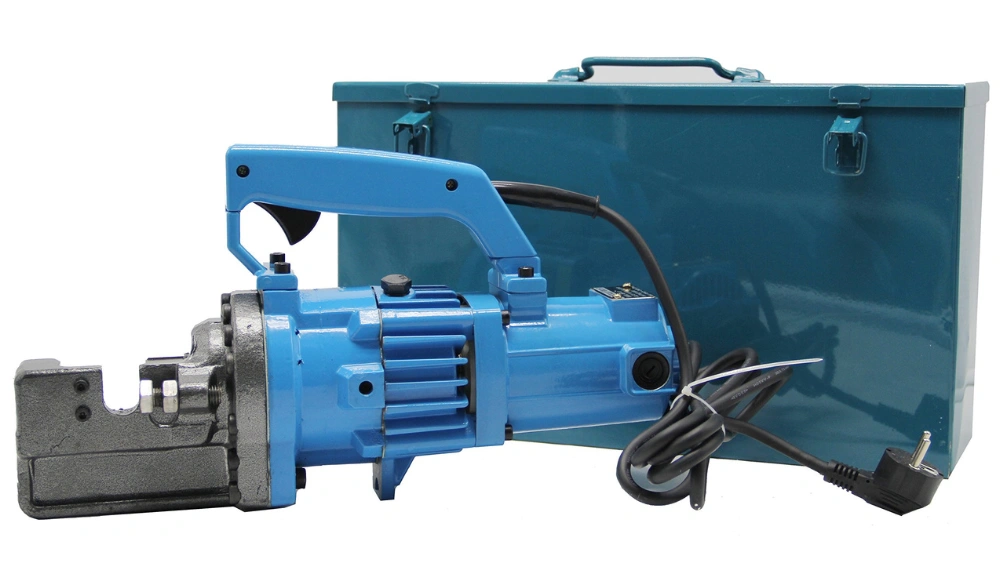
Imagine tackling a construction project with ease, precision, and efficiency. That’s exactly what you get when you master the use of a hydraulic rebar cutter.
This powerful tool is a game-changer, especially when it comes to cutting through tough steel bars like a hot knife through butter. Whether you’re a seasoned professional or a DIY enthusiast, understanding how to use this tool can save you time and effort, while ensuring safety and precision.
Are you tired of wasting hours with traditional cutters, or risking injury with makeshift solutions? What if you could cut your rebar in seconds and move on to the more exciting parts of your project? In this guide, you’ll discover step-by-step instructions on how to use a hydraulic rebar cutter effectively. Get ready to transform your approach to construction and experience the satisfaction of seamless, efficient work. Stay with us, and by the end of this article, you’ll be ready to wield your hydraulic rebar cutter like a pro.
Choosing The Right Hydraulic Rebar Cutter
Selecting the best hydraulic rebar cutter ensures efficient performance. Understand its functions by reading the manual thoroughly. Practice safe handling to prevent accidents and ensure smooth operation.
Choosing the right hydraulic rebar cutter can make a world of difference in your construction projects. It’s essential to select a tool that not only fits your needs but also enhances your efficiency and safety. The right choice ensures smooth operations and prevents unnecessary delays.Understanding Your Project Needs
Before making a purchase, consider the specifics of your project. Are you working on a small residential renovation or a large-scale commercial construction? The size and scope of your project will determine the capacity and power you need in a hydraulic rebar cutter. A smaller, more portable model might suffice for home projects, while industrial sites may require robust, heavy-duty machines.Evaluating Cutter Specifications
Pay close attention to the specifications of each cutter. Look at the cutting capacity, which indicates the maximum diameter of rebar the cutter can handle. If you frequently work with thick rebar, opt for a cutter with a higher capacity. Additionally, check the cutting speed. A faster cutter will save you time on large projects.Considering Portability And Ease Of Use
Think about how often you’ll need to move your cutter around. If mobility is a priority, a lighter, handheld model could be beneficial. Ease of use is also crucial. Look for features like ergonomic handles and automatic cutting functions that can reduce strain and improve efficiency.Assessing Durability And Maintenance
Durability is vital for long-term use. Check the materials and build quality to ensure they can withstand frequent use. Maintenance requirements should also be considered. Some models need regular lubrication or part replacements, which could affect your workflow.Reading Reviews And Seeking Recommendations
Don’t overlook the power of reviews and recommendations. Reading user reviews can provide real-world insights into the cutter’s performance. Ask colleagues or friends in the industry about their experiences. Their feedback can highlight potential issues or advantages you might not find in product descriptions.Budgeting Wisely
Finally, establish a clear budget. While it might be tempting to go for the cheapest option, consider the long-term value. Investing in a slightly more expensive model with better features and durability can save money on repairs and replacements down the line. Choosing the right hydraulic rebar cutter involves a mix of understanding your needs, evaluating product specifications, and considering practical factors like portability and maintenance. What aspects are most important to you in a hydraulic rebar cutter?Operating The Rebar Cutter Safely
Operating a hydraulic rebar cutter safely is essential to ensure efficient work and avoid any accidents. If you’re about to use this powerful tool, you must know the best practices for handling it safely. Whether you’re a seasoned professional or a DIY enthusiast, these guidelines will help you operate the cutter with confidence.
Preparing Your Work Area
Start by organizing your workspace. Ensure it’s clean and free of any obstacles that might trip you or interfere with the operation. Adequate lighting is crucial, so make sure your work area is well-lit to spot any potential hazards.
Place all necessary tools and materials within easy reach. This reduces the need to step away from the cutter, minimizing distractions and keeping your focus on the task at hand.
Using Safety Gear
Wearing the right safety gear is non-negotiable. Equip yourself with protective eyewear to shield your eyes from flying debris. Gloves are a must to protect your hands from sharp metal edges and vibrations.
Consider wearing sturdy boots with steel toes. They offer protection should any heavy object fall during operation. Don’t forget ear protection, as the cutter can be quite noisy.
Checking The Cutter Before Use
Inspect the hydraulic rebar cutter thoroughly before each use. Look for any visible damage or wear, especially on the blades and hydraulic lines. Ensure all components are securely attached and functioning properly.
Test the cutter in a controlled environment. This helps verify its functionality and ensures you’re familiar with its operation before tackling the main task.
Proper Positioning And Technique
Position yourself correctly when using the cutter. Stand firmly with your feet shoulder-width apart for stability. This stance helps maintain control over the tool and reduces strain.
Keep your hands steady and apply consistent pressure. Jerky movements can lead to uneven cuts and potential mishaps. Practice smooth, deliberate motions for precise cutting.
Maintaining Focus And Awareness
Stay alert and focused throughout the operation. Avoid distractions such as phone calls or conversations. Your undivided attention is crucial for safety and accuracy.
Be aware of your surroundings. If others are present, ensure they maintain a safe distance. A sudden movement or distraction could lead to accidents.
Post-operation Care
After using the cutter, clean it thoroughly. Remove any debris or metal shavings to prevent damage and ensure longevity. Check all parts for wear and tear, replacing any that show signs of deterioration.
Store the cutter in a dry, secure place. Proper storage keeps it in good condition and ready for future use. Consider scheduling regular maintenance checks to extend its lifespan.
Are you ready to operate your hydraulic rebar cutter safely? By following these guidelines, you can ensure that each use is both efficient and secure. Safety isn’t just a practice—it’s a habit that saves time, resources, and lives.
Maintaining Your Hydraulic Rebar Cutter
Efficiently cut through rebar with a hydraulic cutter by following simple maintenance steps. Keep blades clean and lubricated for optimal performance. Regularly check hydraulic fluid levels and inspect for wear to ensure safe operation.
Maintaining your hydraulic rebar cutter ensures its longevity and efficiency. Regular maintenance can prevent costly repairs and downtime. A well-maintained cutter performs better and lasts longer. Keep your equipment in top shape with these essential tips.Inspecting For Damage
Check your cutter for visible damage before each use. Look for cracks in the blade or housing. Examine hoses for leaks or wear. Early detection of issues prevents bigger problems.Cleaning After Use
Clean the cutter after every job. Remove dust and debris from the blade and housing. Use a soft cloth to wipe down surfaces. A clean tool works more efficiently.Lubrication
Lubricate moving parts regularly. Apply oil to hinges and joints. Ensure smooth operation and reduce wear. Proper lubrication extends the life of the cutter.Checking Hydraulic Fluid
Monitor hydraulic fluid levels often. Low fluid can cause poor performance. Refill as needed with recommended fluid. Keep the cutter running smoothly and efficiently.Blade Sharpening
Sharpen blades regularly to ensure clean cuts. Dull blades can damage rebar. Use a sharpening stone for best results. Sharp blades improve precision and reduce strain on the tool.Storing Properly
Store the cutter in a dry, safe place. Avoid damp areas that can cause rust. Protect the cutter from dust and debris. Proper storage keeps your equipment ready for use.Frequently Asked Questions
Which Part Of Rebar Cutters Do You Lubricate?
Lubricate the moving parts of the rebar cutter, including the pivot points, gears, and cutting blades. Regular lubrication ensures smooth operation and extends the tool’s lifespan. Use a high-quality lubricant to prevent rust and wear. Always follow the manufacturer’s guidelines for best practices.
How To Use A Rebar Cutting Machine?
To use a rebar cutting machine, ensure it’s on a stable surface. Insert rebar into the machine’s cutting slot. Turn on the machine and press the handle or button to cut. Always wear safety gear, including goggles and gloves, to protect yourself during the cutting process.
How Does A Hydraulic Cutter Work?
A hydraulic cutter uses hydraulic pressure to power a blade, efficiently cutting through materials like metal or concrete. The system involves a pump, fluid reservoir, and pistons. Controlled by valves, the fluid moves the pistons, generating force to operate the cutting blade.
This mechanism ensures precise and powerful cuts.
What’s The Best Tool To Cut Rebar With?
The best tool to cut rebar is an angle grinder with a metal cut-off wheel. This tool ensures precise, clean cuts. A reciprocating saw with a metal-cutting blade is also effective. For larger projects, consider a rebar cutter or a chop saw.
Always wear safety gear while cutting.
Conclusion
Using a hydraulic rebar cutter safely boosts efficiency in construction. It saves time, reducing manual labor. Follow all safety guidelines to prevent accidents. Regular maintenance ensures the tool works effectively. Proper training is crucial for all operators. Always wear protective gear when operating the cutter.
Ensure the workspace is clear of obstacles. This tool offers precise cuts, enhancing project quality. Remember to store it properly after use. A hydraulic rebar cutter is a valuable tool for any construction site. Keep these tips in mind for a safer, smoother experience.