Ever find yourself juggling tools and wondering how professionals make it look so easy? The secret isn’t just skill; it’s knowing how to wear a tool belt effectively.
Imagine saving time, avoiding stress, and feeling like a true expert on your next project. Sound appealing? You’re in the right place. You’ll discover the art of wearing a tool belt like a pro. It’s not just about strapping it on—it’s about maximizing efficiency and comfort.
Picture yourself swiftly grabbing the right tool without missing a beat. Ready to transform your DIY experience? Let’s dive in and unlock the full potential of your tool belt.
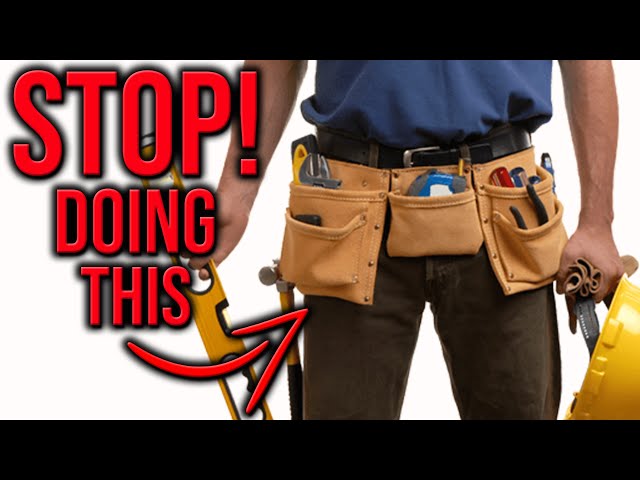
Credit: www.youtube.com
Choosing The Right Tool Belt
Choosing the right tool belt can make your work easier. A well-fitted belt keeps tools within reach. This saves time and effort. Not all tool belts are the same. Consider material, size, and type before buying.
Material Considerations
Tool belts come in different materials. Leather is durable and strong. It can carry heavy tools. Nylon is lightweight and flexible. It suits those who need less weight. Canvas is affordable and durable. It’s a good choice for light tasks.
Size And Fit
Size matters for comfort and efficiency. A belt should fit snugly on your waist. It shouldn’t be too tight or too loose. Adjustable belts offer flexibility. Try on different sizes. Find what feels best for you.
Types Of Tool Belts
There are many types of tool belts. Apron-style belts have many pockets. They are great for holding nails and screws. Suspenders-style belts distribute weight. They reduce strain on your back. Pouch-style belts hold fewer tools. They are easy to wear and light.
Organizing Tools Effectively
Organizing tools effectively in your tool belt is crucial for efficiency and ease of use. It not only saves you time but can prevent the frustration of not finding the right tool when you need it. Whether you’re a professional tradesperson or a DIY enthusiast, knowing how to arrange your tools can make a big difference in your workflow.
Tool Placement Strategies
Think about how you use your tools most often. Place frequently used tools in the most accessible spots. For instance, if you’re constantly reaching for your hammer, keep it in a front pouch. Are there tools you use together? Group them to save time. It’s all about minimizing the distance your hands need to travel.
Consider the sequence of your tasks. If you’re working on a project that requires a screwdriver after measuring, keep these tools next to each other. A simple but effective tip is to arrange tools in the order of use. This strategy can enhance your productivity significantly.
Balancing Weight
A well-balanced tool belt is comfortable and prevents strain. Distribute heavier tools evenly. If your hammer and drill weigh the same, place one on each side. This prevents your belt from sagging and keeps you balanced.
Keep lighter tools towards the front, allowing easy access without adding unnecessary weight. Remember, your tool belt should feel like a natural extension of your body, not a burden. Balance is key to maintaining comfort and avoiding fatigue.
Essential Tools To Carry
What tools should you carry at all times? It depends on your specific tasks. A carpenter might prioritize a tape measure, pencil, and square. Meanwhile, an electrician might focus on wire cutters, pliers, and testers.
Think about your daily needs and adjust your belt accordingly. Don’t carry tools you rarely use. This not only lightens your load but makes room for essential items. Consider keeping a core set of tools that meet most needs, then swap out others based on the task at hand.
Organizing your tool belt is about creating a system that works for you. What frustrations have you faced with tool belts before? Share your insights and help others find their perfect setup!
Adjusting For Comfort
Wearing a tool belt comfortably involves adjusting straps for a snug fit. Distribute weight evenly for ease of movement. Ensure tools are within easy reach to enhance efficiency.
Adjusting a tool belt for comfort is crucial for maximizing productivity and minimizing discomfort during work. Imagine having everything you need at your fingertips without feeling weighed down or strained. The right fit can transform your workday, making tasks easier and more efficient. Let’s dive into how you can adjust your tool belt for optimal comfort.Belt Positioning
Finding the perfect position for your tool belt is key. It should sit snugly around your waist or hips, depending on your preference. Some people find that wearing the belt higher on the waist offers better mobility. Experiment with different positions to see what feels best as you move around. Remember, your tool belt should be secure but not so tight that it restricts your movement or breathing.Reducing Strain
A well-adjusted tool belt can help reduce strain on your back and shoulders. Distribute the weight evenly across your body. Consider using a belt with padded sections to cushion the load. This can make a huge difference during long hours on the job. Think about what tools you use most often and try to position them for easy access. This can help avoid unnecessary twisting and bending.Customizing Fit
Customizing the fit of your tool belt is essential. Adjust the belt’s straps and buckles for a tailored fit. If the belt is too loose, your tools could shift, causing discomfort. If too tight, it could impede your movement. Add extra padding or liners if needed. Many belts offer adjustable pockets and loops, so take advantage of these features to organize your tools efficiently. Have you ever adjusted your tool belt only to find it still feels off? Sometimes, small tweaks make all the difference. Keep experimenting until it feels just right.Maximizing Efficiency
Tool belts streamline work, keeping essential items within reach. Wear the belt snugly around your waist for comfort. Arrange tools by weight, placing heavier ones near the hips to balance the load. Organize efficiently for easy access and enhanced productivity.
Maximizing efficiency while wearing a tool belt can significantly boost your productivity. Imagine having all your essential tools within arm’s reach, each perfectly positioned to help you complete tasks swiftly. The key lies in organizing your tool belt with precision to enhance your workflow, allowing you to focus more on the job at hand rather than searching for tools.Quick Access Techniques
Arrange your tools based on frequency of use. Keep the most-used tools in front, and less-used ones towards the back. This saves time and minimizes fumbling. Consider using tool holders or loops for items like hammers or tape measures. They offer easy access without the need to rummage through pockets. Think about your dominant hand. Place tools you often use with that hand on the corresponding side of your tool belt. It reduces the need to switch hands constantly and keeps your rhythm steady.Streamlining Workflow
Organize your tools in a way that aligns with the task sequence. If you’re working on electrical installations, keep wire strippers next to screwdrivers. Avoid overloading your tool belt. Carry only what’s necessary for the task at hand to keep mobility and comfort high. Categorize tools by task. Use small pouches or compartments for related items. It simplifies the process when switching between different types of jobs.Routine Maintenance Tips
Regularly inspect your tool belt for wear and tear. This ensures that it remains functional and safe to use. Clean your tool belt and tools regularly. Dirt and debris can accumulate, making it harder to find what you need quickly. Replace worn-out pockets or holders. A sturdy tool belt is essential for maintaining efficiency, and damaged parts can slow you down. Efficiency isn’t just about speed; it’s about working smart. How do you optimize your tool belt setup to make your work easier? Your unique approach might be the key to saving time and effort on your next project.Safety Tips For Wearing Tool Belts
Tool belts should sit snugly on hips to distribute weight evenly and prevent strain. Adjust straps for comfort and easy access to tools. Regularly check for wear and tear to ensure safety.
Wearing a tool belt can make your tasks more efficient, but it’s crucial to prioritize safety to prevent accidents and injuries. Whether you’re a seasoned professional or a DIY enthusiast, understanding how to wear your tool belt safely can make all the difference in your work. This section will provide you with essential safety tips to ensure you’re well-equipped and protected.Preventing Injuries
Tool belts can be heavy and cumbersome. It’s important to adjust the belt snugly around your waist without being too tight. A loose belt can shift, causing you to trip or drop tools. Consider the weight distribution of your tools. Balance is key. If most of your tools are on one side, it can lead to strain or imbalance. Regularly check for wear and tear. A worn-out belt can break unexpectedly, causing tools to fall and potentially injure you.Awareness Of Surroundings
Your tool belt should never restrict your movement or impair your awareness. Be mindful of narrow spaces or when climbing ladders. Think about how your tools might interact with your environment. Could a protruding hammer catch on a doorframe? When moving through crowded areas, take note of others around you. Accidental bumps could lead to dropped tools or injuries.Proper Lifting Techniques
Tools in your belt can add significant weight. When lifting heavy objects, bend your knees, not your back. This distributes weight more evenly and reduces strain. Before lifting, ensure your tool belt is secure. Slipping belts can shift weight unexpectedly, increasing risk. Consider removing heavy tools from your belt when lifting bulky items. Is it worth the risk? Lighten your load to prevent unnecessary strain. Safety should be your priority every time you strap on your tool belt. Can you think of other ways to enhance safety while working?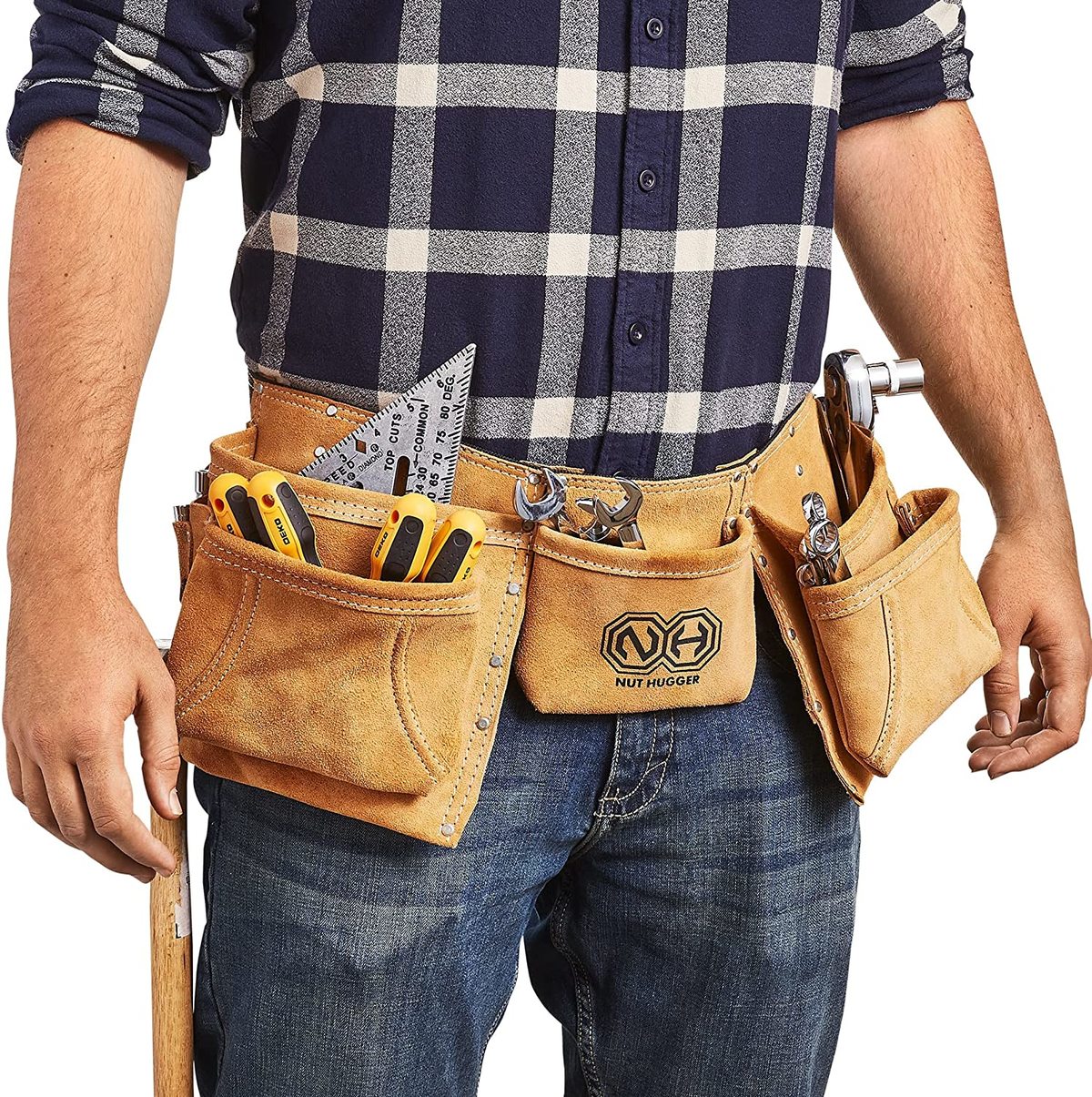
Credit: www.manmadediy.com
Caring For Your Tool Belt
Wearing a tool belt properly ensures comfort and efficiency. Position it around your waist, balancing weight evenly. Adjust the strap to prevent slipping and discomfort. Arrange tools logically for easy access.
Caring for your tool belt is crucial if you want it to last and continue serving you well. You wouldn’t want to find yourself on a job site with a broken or worn-out belt. Regular care can prevent unexpected mishaps and keep your tool belt in top-notch condition. Let’s dive into some essential tips for maintaining your tool belt effectively.Cleaning And Maintenance
Keeping your tool belt clean is more important than you might think. Dirt and grime can weaken the material over time. Simply wipe it down with a damp cloth after each use. Use a mild soap if necessary, but avoid soaking it completely. A quick clean can save you from a premature replacement. Is your tool belt made of leather? Leather needs a little extra care. Consider using a leather conditioner occasionally to keep it supple. This prevents cracking and extends its life.Inspecting For Wear
Inspect your tool belt regularly. Look for any signs of wear and tear that could compromise its function. Pay special attention to the stitching and buckle areas. These spots tend to take the most stress. Have you ever had a strap snap mid-task? It’s frustrating and can easily be avoided. If you spot frayed edges or loose threads, don’t wait. Repair them right away to avoid bigger problems down the line.Storage Solutions
How you store your tool belt matters. Hanging it up when not in use is a good habit. This prevents it from getting crushed or misshapen. A simple hook in your garage can work wonders. Avoid throwing your tool belt in a damp or dusty corner. Moisture can lead to mold, and dust can degrade its material. If space is tight, consider a dedicated storage bin. This keeps your belt safe and ready for action when you need it. Taking care of your tool belt doesn’t have to be a chore. With these simple tips, you can prolong its life and ensure it’s always ready for your next project. Are you ready to give your tool belt the care it deserves?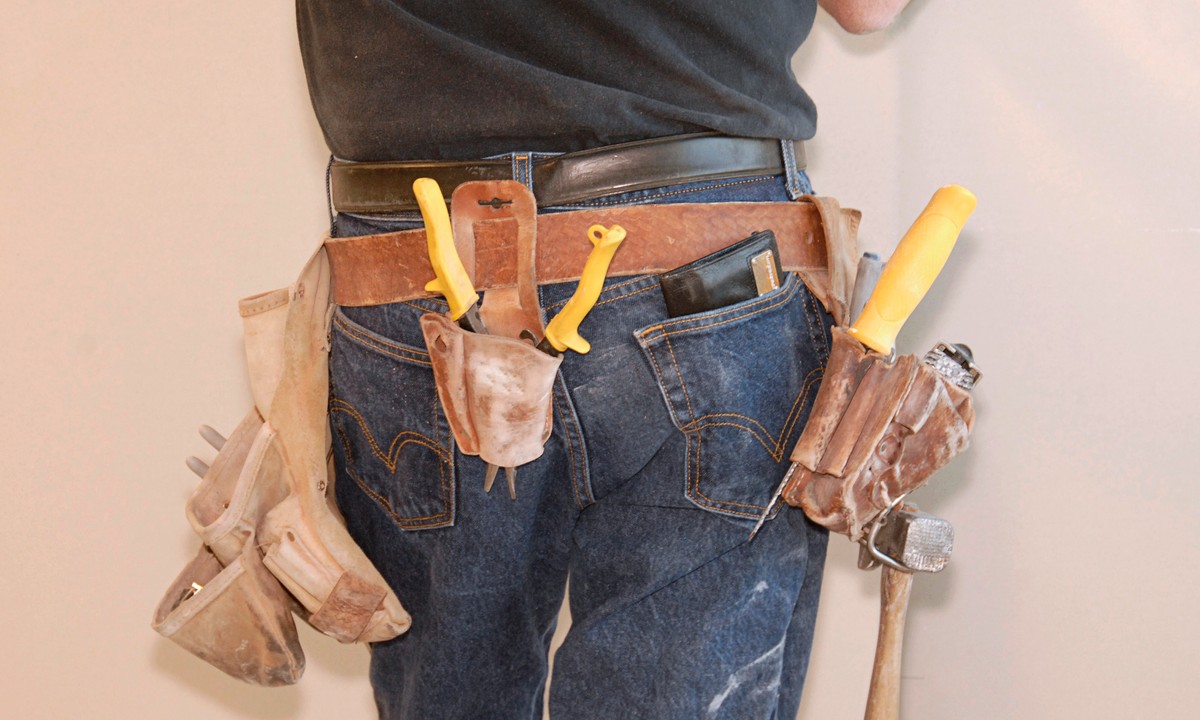
Credit: www.woodsmith.com
Frequently Asked Questions
What Is The Proper Way To Wear A Tool Belt?
Wear a tool belt around your waist, adjusting it for comfort and balance. Distribute tools evenly to prevent strain. Use pockets and loops for quick access. Ensure the belt is not too tight or loose. Regularly check for wear and tear to ensure safety.
Do You Wear A Tool Belt In The Front Or Back?
Wear a tool belt in the front for easy access and better weight distribution. Position it so tools don’t interfere with movement. Adjust straps for comfort, ensuring tools remain secure and organized. This setup enhances efficiency and reduces strain during tasks.
Is There A Correct Way To Wear A Belt?
Wear a belt through all loops, with the buckle centered. Match the belt color to your shoes. Ensure a snug fit without being too tight. Adjust the belt to the third hole for optimal comfort and style.
Do You Put A Tool Belt Over Or Under A Harness?
Wear a tool belt over the harness for easy access. Ensure it doesn’t interfere with harness functionality or safety. Adjust both comfortably to prevent restricted movement. Prioritize safety and convenience during setup to maximize efficiency on the job.
Conclusion
Wearing a tool belt properly enhances efficiency and safety. Choose the right size and fit. Balance the weight for comfort. Organize tools smartly to save time. Keep essential tools within easy reach. Regularly check for wear and tear. A well-fitted tool belt boosts productivity.
Avoid overloading to prevent strain. Practice wearing your tool belt at home. Make adjustments for different tasks. With these tips, you’ll work more effectively. A comfortable tool belt makes a difference. Remember, practice makes perfect. Use these guidelines for the best experience.
Happy building!