Imagine crafting a beautiful wooden bowl or a sleek spindle with your own hands. The art of woodturning can transform simple pieces of timber into extraordinary works of art, and the key to unlocking this craft is mastering the wood lathe.
Whether you’re a hobbyist looking to explore new skills or a seasoned woodworker eager to refine your techniques, understanding how to work a wood lathe will open up a world of creative possibilities. With every turn of the lathe, you can shape wood into elegant designs that reflect your unique style and vision.
But before you start, it’s crucial to grasp the basics and techniques that will ensure your success and safety. This guide will take you step-by-step through the process, offering insights that will empower you to create with confidence. Get ready to dive into a realm where your imagination becomes reality, and discover how you can elevate your woodworking skills to new heights.
Choosing The Right Wood Lathe
Choosing the right wood lathe is essential for successful woodturning. A good lathe helps create beautiful pieces with ease. But with many options, it can be confusing. Let’s break it down.
Types Of Wood Lathes
There are several types of wood lathes available. Each type suits different needs.
Mini lathes are compact. They are perfect for small projects and beginners. Midi lathes offer more power and size. These are good for medium-sized projects. Full-size lathes are powerful. They handle large and heavy pieces.
Consider what projects you want to do. Choose the right type based on your needs.
Key Features To Consider
Pay attention to certain features when choosing a wood lathe. The motor’s power affects how well it can handle tasks. Stronger motors are better for larger projects.
Variable speed control is another important feature. It allows you to adjust the speed for different tasks. This gives you more control over your work.
Check the lathe’s build quality too. A sturdy frame reduces vibrations. This ensures smoother operation and better results.
Also, consider the lathe’s bed length. Longer beds accommodate larger workpieces. Choose a lathe that fits your workspace and project size.
By understanding these features, you can make a smart choice.
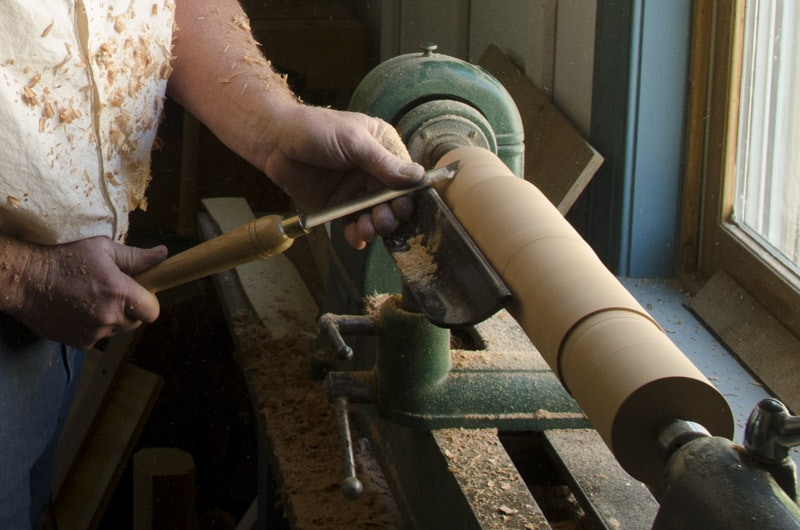
Credit: woodandshop.com
Essential Tools And Materials
Operating a wood lathe requires more than just skill. Having the right tools and materials makes all the difference in your woodworking projects. This section explores the essential tools and materials needed for effectively working a wood lathe. We’ll cover basic lathe tools, safety equipment, and wood selection.
Basic Lathe Tools
Start with a set of sharp chisels. These are crucial for cutting and shaping wood. Common types include gouges, scrapers, and parting tools. A faceplate and chuck are also important. They secure your wood as you work. A tool rest helps guide your chisels. Keep sharpening stones handy. Dull tools make your job harder.
Safety Equipment
Safety is vital in woodworking. Always wear eye protection to prevent injuries. Dust masks help avoid inhaling harmful particles. Gloves protect your hands from splinters. Ear protection reduces noise impact. Ensure your workspace is well-lit. A clear area prevents accidents.
Wood Selection
Choosing the right wood impacts your work. Softwoods like pine are easier to shape. Hardwoods like oak offer durability. Consider the grain pattern. Straight grains are easier to work with. Moisture content affects your results. Dry wood is less likely to warp. Select quality pieces for best outcomes.
Setting Up Your Workspace
Setting up your workspace is the first step to mastering the art of working with a wood lathe. A well-organized and efficient workspace not only boosts productivity but also ensures safety while crafting your projects. Let’s dive into some key elements that will help you set up a perfect environment for your woodworking endeavors.
Organizing The Workshop
Begin by decluttering your space. A tidy workshop makes it easier to find tools and materials when you need them. Use shelves and storage bins to keep everything in its place. Label each container clearly—your future self will thank you.
Think about the layout of your tools. Keep your lathe close to your essential tools and supplies. This minimizes movement and maximizes efficiency. Have you ever spent more time searching for a tool than using it? Proper organization solves this problem.
Ensuring Proper Lighting
Lighting is crucial. Natural light is best, but if your workshop lacks windows, invest in bright LED lights. They consume less energy and provide excellent visibility. Do you often find yourself squinting to see fine details? Adequate lighting can prevent eye strain.
Place lights strategically to eliminate shadows. Consider adjustable lamps for precision work. How much easier would your tasks be if you could see every detail clearly?
Maintaining A Safe Environment
Safety should be your top priority. Equip your workspace with safety gear like goggles and gloves. Keep a fire extinguisher within reach. Are your tools properly maintained? Dull blades can be hazardous.
Ensure the floor is clear of debris to prevent tripping. Install a dust collector to maintain air quality. Is your workspace equipped to handle emergencies? Always be prepared for the unexpected.
Setting up your workspace isn’t just about aesthetics. It’s about creating a functional and safe environment that enhances your woodworking skills. How are you planning to transform your workshop into a space where creativity meets safety?
Understanding Lathe Components
Understanding lathe components is crucial for beginners in woodturning. These parts work together to shape wood into beautiful creations. Each part has a specific function and importance. Knowing how they work enhances your woodturning skills.
Lathe Bed And Headstock
The lathe bed is the foundation. It supports all the other components. Usually made of cast iron or steel. Provides stability during operation. The headstock is fixed at one end of the lathe bed. It holds the main spindle. This spindle rotates the workpiece. The headstock also contains the pulleys and belts. These help transfer power from the motor. Keep your headstock well-maintained for smooth operation.
Tailstock And Tool Rest
The tailstock is opposite the headstock. It supports the end of the workpiece. You can adjust its position along the lathe bed. This is useful for different lengths of wood. The tool rest is vital for guiding your tools. It helps you maintain control and precision. Position it properly for safe and effective turning.
Motor And Speed Control
The motor powers the lathe. Its size and power affect performance. Speed control is essential. It lets you adjust the lathe’s rotation speed. Different woods need different speeds. Proper speed prevents wood damage. Always check your speed settings before you start. Efficient speed control leads to better results.
Preparing The Wood
Preparing the wood is crucial before using a wood lathe. Proper preparation ensures smooth and efficient turning. Begin with selecting the right wood for your project. Ensure it’s dry and free from defects. Follow these steps to prepare your wood effectively.
Marking Center Points
Identify the center of the wood piece. Use a ruler to measure the length and width. Mark the center with a pencil. Accurate center points ensure balanced turning. Double-check your measurements.
Mounting The Wood
Secure the wood on the lathe. Use a spur drive or faceplate for mounting. Ensure the wood is tightly held. Loose mounting can lead to accidents. Check the stability before starting.
Balancing The Workpiece
Balance the wood properly. Uneven weight distribution can cause vibration. Rotate the wood manually. Feel for any imbalance. Adjust as needed to achieve balance. A balanced workpiece ensures a smooth turning experience.

Credit: www.youtube.com
Basic Techniques For Beginners
Starting with a wood lathe can be exciting. But you need to learn some basic techniques first. These skills will help you create beautiful wood pieces. Let’s explore some essential techniques for beginners.
Turning Between Centers
Turning between centers is a common technique. First, you secure the wood between the headstock and tailstock. This setup helps the wood spin evenly. Always ensure the wood is tightly secured. Use a roughing gouge to shape the wood initially. Start with slow speeds and increase gradually. This helps you maintain control.
Using Gouges And Chisels
Gouges and chisels are essential tools for turning. They help shape the wood efficiently. The gouge is used for rough shaping. It removes large amounts of wood quickly. Chisels are for detail work. They refine the shape and add intricate designs. Always keep tools sharp for better results. Practice makes your hand steady.
Creating Simple Shapes
Start with simple shapes like cylinders or cones. These shapes are easy for beginners. Begin by drawing the shape on paper. Visualize it before cutting. Use gentle pressure when cutting the wood. This technique helps avoid mistakes. Gradually, you will gain confidence. Soon, you will create more complex designs.
Advanced Turning Techniques
Learn to create intricate shapes on a wood lathe using advanced turning techniques. Mastering these skills enhances precision and creativity in woodworking projects. Enhance your craftsmanship by understanding tool control and wood grain interactions.
Working a wood lathe is a craft that combines precision with creativity. Once you’ve mastered the basics, it’s time to elevate your skills with advanced turning techniques. These methods will not only refine your craftsmanship but also allow you to create more intricate and personalized wooden pieces. Imagine transforming a simple block of wood into a stunning decorative bowl or a beautifully detailed spindle. Are you ready to take your woodturning to the next level?Bowl Turning
Bowl turning is an art in itself. Start with selecting the right wood, ideally one with a fine grain. Secure your wood piece on the lathe using a faceplate or chuck. As you begin turning, pay attention to the speed and sharpness of your tools. A smooth, steady hand is key to achieving the perfect curve. Remember the time when you tried to carve a pumpkin for Halloween? It requires the same patience and finesse. Keep a caliper handy to measure the thickness of the bowl walls. Aim for consistency to avoid cracks. Think about the satisfaction of holding a perfectly balanced bowl in your hands.Spindle Turning
Spindle turning focuses on creating long, slender pieces like table legs or chair spindles. Unlike bowl turning, the wood is held between centers. Start with a roughing gouge to shape the wood into a cylinder. Transition to smaller tools for detailed work. Each cut should be deliberate and controlled, like sculpting a statue from marble. Consider the design. Would a traditional or contemporary style suit your project better? Sketch your ideas beforehand to visualize the final product.Decorative Finishing
Decorative finishing is the final touch that brings your project to life. Choose from techniques like texturing, burning, or painting. Texturing adds depth and interest. Use tools like wire brushes or chisels to create patterns. Think of it as adding a signature to your work. Burning can enhance grain patterns. Use a wood burner to apply intricate designs. This technique requires practice, so test on scrap wood first. Finally, apply a finish like oil or lacquer to protect your creation. This not only enhances the wood’s natural beauty but also ensures durability. Reflect on your journey from a novice to an advanced woodturner. Each project is a learning experience. What new design will you create next?
Credit: www.wikihow.com
Safety Tips And Best Practices
Always prioritize safety by wearing protective gear like goggles and gloves when working a wood lathe. Keep tools sharp and stable for smoother operation and avoid loose clothing to prevent accidents. Ensure proper lighting and maintain a clean workspace for effective and safe woodturning practices.
Working with a wood lathe can be both rewarding and challenging. While crafting intricate designs and shapes, it’s crucial to prioritize safety and adopt best practices. Safety should never be an afterthought; understanding and implementing these tips can make the difference between a successful project and an accident. Dive into these essential practices to ensure your wood lathe experience is both safe and productive.Proper Handling Of Tools
Handling tools correctly is the cornerstone of safe wood lathe operation. Always start by familiarizing yourself with each tool’s function. Grasp your tools firmly but comfortably, allowing for precision without straining your muscles. Imagine working with a chisel; a steady grip can prevent it from slipping and causing injury. Position your body strategically. Stand in a balanced stance to reduce fatigue and enhance control. Check your workspace frequently for clutter that might obstruct tool movement. This simple precaution can prevent mishaps and keep your focus solely on the task at hand.Avoiding Common Mistakes
Mistakes are part of the learning curve, but some can be avoided with foresight. One common error is using dull tools. Sharp tools not only improve your craftsmanship but also reduce the risk of slipping and causing injury. Regularly inspect and sharpen them to maintain efficiency and safety. Another frequent mistake is overconfidence. It’s easy to get carried away, especially when things are going well. Take your time and don’t rush. Reflect on past projects where haste led to errors or accidents. Learn from these experiences to enhance your current skills. Consider the question: How often do you pause to double-check your setup? This simple habit can help catch potential problems before they escalate.Maintaining Equipment
Maintaining your wood lathe is as crucial as maintaining your tools. Regular checks ensure optimal performance and longevity. Clean your equipment after each use, removing wood shavings and dust, which can interfere with operation. Lubricate moving parts to prevent wear and tear. Proper lubrication reduces friction, ensuring smooth operation and extending the lifespan of your lathe. Picture your lathe as a car engine; without oil, it wouldn’t run efficiently. Stay vigilant for signs of wear. Tighten loose bolts and replace worn-out parts immediately. A well-maintained lathe not only performs better but also keeps you safe from unexpected breakdowns. Incorporate these practical tips into your routine and transform your wood lathe experience into one that’s both safe and enjoyable. How do you ensure your workspace remains a haven for creativity and safety? Share your thoughts and tips in the comments below!Caring For Your Wood Lathe
Learn to operate a wood lathe efficiently by keeping it clean and well-maintained. Regularly check for loose parts and ensure blades are sharp. Proper care extends the life of your lathe and improves your woodworking results.
Caring for your wood lathe is essential to ensure it runs smoothly and lasts for years. A well-maintained lathe not only performs better but also keeps your projects safe and precise. You don’t need to be an expert to maintain your lathe; a few simple steps can make a huge difference.Regular Maintenance
Regular maintenance is your first line of defense against wear and tear. It’s more than just cleaning; it’s about keeping an eye on all the moving parts. Start by wiping down your lathe after each use to remove dust and debris. This prevents buildup that can affect performance. Lubricate the spindle and other moving parts monthly. Check the belts for signs of wear and replace them if necessary. A little attention now can save you from costly repairs later.Troubleshooting Common Issues
Even with regular maintenance, issues can arise. Sometimes, the lathe may vibrate more than usual or make odd noises. Often, this is due to loose bolts or worn bearings. Tighten all bolts and replace worn parts promptly. If your lathe stops working mid-project, don’t panic. Check the power supply and fuse first. Many times, it’s a simple fix. A methodical approach can help you identify and solve these problems quickly.Extending Lathe Lifespan
How can you ensure your lathe lasts for decades? Think beyond just fixing issues. Invest in high-quality accessories and tools that complement your lathe. High-quality tools put less strain on your lathe. Store your lathe in a dry place to prevent rust. Cover it when not in use to keep dust away. These small actions can significantly extend the lifespan of your lathe. What lessons have you learned from maintaining your lathe? Share your experiences and tips with fellow woodworkers. Your insights could help someone avoid common pitfalls. By focusing on care and attention, you ensure your wood lathe remains a reliable tool in your workshop.Frequently Asked Questions
Can You Teach Yourself To Use A Lathe?
Yes, you can teach yourself to use a lathe. Start with online tutorials and safety guides. Practice is essential for mastering techniques. Joining workshops or classes can enhance your skills. Always prioritize safety by wearing protective gear. Stay patient and consistent in your learning journey.
How To Run A Lathe For The Beginner?
Begin by reading the lathe manual. Wear safety gear and secure the workpiece. Adjust speed settings according to material. Use sharp tools and make gradual cuts. Regularly check alignment and tool position. Practice basic projects to build confidence and skill.
How To Operate The Lathe Machine Step By Step?
To operate a lathe machine, first, securely mount the workpiece. Set the desired speed and feed rate. Use the appropriate cutting tool. Engage the machine, guiding the tool along the workpiece. Monitor progress, making adjustments as needed. Finally, turn off the machine and remove the finished piece.
How Do You Properly Set Up A Lathe For Turning Wood?
To set up a lathe for woodturning, secure the wood firmly. Adjust the tool rest close to the workpiece. Ensure the lathe’s speed matches the wood type. Check all components for tightness. Always wear safety gear.
Conclusion
Mastering a wood lathe takes time and practice. Safety is key. Always wear protective gear and keep your workspace organized. Start with simple projects to build confidence. Learn the basics before attempting complex designs. Regularly maintain your lathe for smooth operation.
Follow all instructions and safety guidelines carefully. Experiment with different tools and techniques. It’s rewarding to watch your skills grow over time. Remember, patience is vital in woodworking. Enjoy the creative process and make unique pieces. With dedication, you can craft amazing projects and improve your skills.
Happy woodworking!