Ever found yourself staring at a toolbox, wondering what each tool does? If you’ve ever been puzzled by the claw hammer, you’re not alone.
This simple yet powerful tool has been a staple in homes and workshops for generations. But do you really know all the ways a claw hammer can make your life easier? Whether you’re a DIY enthusiast or just tackling a few repairs around the house, understanding the true potential of a claw hammer can transform your projects.
You’ll uncover how this tool isn’t just for driving nails but can help solve many of your everyday problems. So, why not dive in and discover the hidden talents of the claw hammer that could save you time and effort? This is your chance to unlock its full potential and become more confident in your DIY adventures. Stick around, and let’s explore the versatile world of the claw hammer together.
Claw Hammer Basics
A claw hammer is a versatile tool used for driving nails into wood and removing them. Its curved end helps pull nails out easily, while the flat end is perfect for striking. Ideal for carpentry, household repairs, and general construction tasks.
Understanding the fundamentals of a claw hammer can significantly enhance your DIY skills. This tool is a staple in every toolbox, yet many people don’t fully grasp its potential. Whether you’re hanging a picture frame or tackling a more complex project, knowing how to use a claw hammer can make your tasks easier and more efficient.
What Is A Claw Hammer?
A claw hammer is a versatile tool featuring a flat striking surface on one end and a curved claw on the other. The flat side is used for driving nails into surfaces, while the claw is perfect for removing them. This dual functionality makes the claw hammer indispensable for both construction and simple home repairs.
The Parts Of A Claw Hammer
Understanding its parts can help you use the claw hammer more effectively. The handle provides leverage and is typically made of wood, fiberglass, or steel. The head, which includes the striking surface and claw, is often made of steel for durability. Each part plays a crucial role in ensuring the hammer’s balance and efficiency. The right claw hammer can make all the difference in your work. Consider the weight and material of the handle when choosing one. A lighter hammer might be easier to handle for small tasks, while a heavier one can drive nails more efficiently in tougher materials.
Common Uses For A Claw Hammer
You might be surprised by how many tasks a claw hammer can handle. It’s not just for driving and removing nails. You can use it to straighten bent materials, pry apart objects, or even break things apart. Its multifunctionality can save you time and the need for multiple tools.
Safety Tips When Using A Claw Hammer
Safety should always be your priority. Ensure your work area is clear and wear protective gear like gloves and goggles. Always check the hammer for signs of wear before use, and never use a damaged hammer as it can cause accidents. Imagine the satisfaction of completing a project with your own hands. A claw hammer can be your ally in achieving that. Have you ever experienced the thrill of creating or repairing something yourself? Share your stories and tips with others, and continue discovering the endless possibilities with a claw hammer.
Design Features
The claw hammer is a staple in every toolbox, renowned for its versatile design features. Each part of a claw hammer is crafted for specific tasks, ensuring efficiency in various applications. Understanding these design features helps in choosing the right claw hammer for your needs. Let’s delve into the aspects that make a claw hammer indispensable.
Handle Materials
The handle is crucial for grip and control. Common materials include wood, fiberglass, and steel. Wooden handles offer a traditional feel and absorb vibrations well. Fiberglass is durable and resistant to weather elements. Steel handles are robust but can transfer more vibrations to the user.
Head Design
The head of a claw hammer is divided into two parts. The striking face is flat, ideal for driving nails into surfaces. The claw side is curved and split, perfect for removing nails with ease. This dual design enhances the hammer’s functionality in carpentry and construction tasks.
Weight And Balance
A well-balanced hammer is easier to use. The weight of the hammer affects its power and precision. Lightweight hammers are suitable for delicate tasks, while heavier ones provide more force. Balance between the head and handle ensures controlled swings and reduces user fatigue.
Primary Uses
The claw hammer is a versatile tool found in many toolboxes. It plays a significant role in various tasks, especially in construction and home improvement projects. Understanding its primary uses helps in utilizing this tool effectively.
Nail Driving
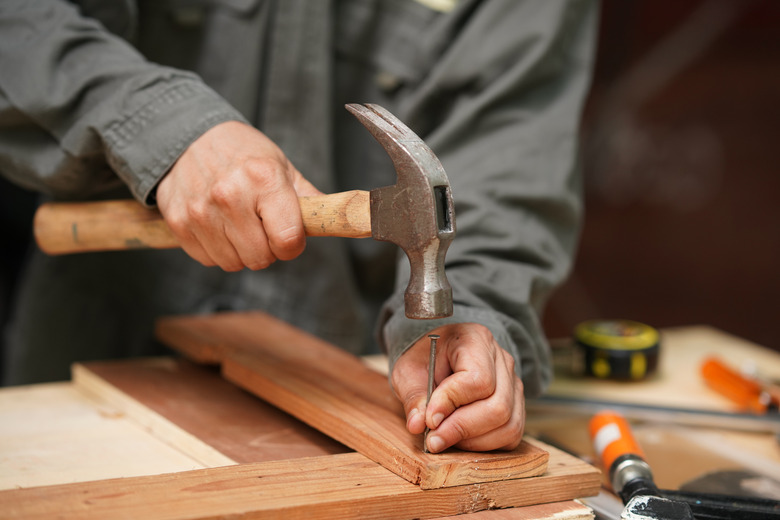
The claw hammer is perfect for driving nails into wood. Its weighted head provides the necessary force to push nails smoothly. When installing frames or building furniture, this tool is essential. The flat surface of the hammer ensures nails go straight in.
Nail Removal
The curved claw is designed for pulling nails out of surfaces. It provides a firm grip on the nail, making removal easy. When fixing mistakes or dismantling structures, the claw hammer proves indispensable. It saves time and reduces damage to materials.
Secondary Applications
A claw hammer serves many purposes beyond driving nails. Its curved claw helps in pulling out nails efficiently. This versatile tool is also handy for minor demolition tasks and adjusting fittings.
When you think of a claw hammer, you probably picture it driving nails into wood. However, this versatile tool has many secondary applications that might surprise you. Whether you’re tackling light demolition tasks or assembling furniture, a claw hammer can be your trusty sidekick. Let’s dive into the unexpected ways you can use this common tool.
Wood Splitting
Have you ever found yourself needing to split a piece of wood but without an axe in sight? A claw hammer can save the day. The sharp end can act as a wedge to split small logs or firewood. Next time you’re out camping or need kindling for your fireplace, try using a claw hammer. It might just become your favorite tool for this task.
Light Demolition
Planning a small renovation project? A claw hammer can help with light demolition work like removing trim or breaking down old furniture. It’s powerful enough to tackle nails and small wood pieces but gentle enough not to destroy everything in its path. Consider using it when removing tiles or breaking through drywall. You’ll be surprised at how much you can accomplish with this simple tool.
Furniture Assembly
Ever struggled with assembling flat-pack furniture? A claw hammer is ideal for tapping dowels and securing joints. It can help you firmly assemble pieces without damaging delicate surfaces. Imagine finally assembling that coffee table without frustration. Your trusty claw hammer can make the process smoother and easier. So next time you reach for your toolbox, think beyond nails. How can your claw hammer make your life easier today?
Safety Tips
Using a claw hammer safely is essential to avoid accidents and injuries. Whether you’re an experienced builder or a DIY enthusiast, observing safety tips can make your project smooth and hazard-free. Remember, safety isn’t just about protecting yourself—it’s also about ensuring the well-being of those around you. So, let’s dive into some key safety tips that will help you handle your claw hammer like a pro.
Proper Grip
How you hold your claw hammer can significantly impact both your efficiency and safety. A firm but relaxed grip is crucial. Picture your hand comfortably wrapping around the handle, with your thumb facing upwards. This grip ensures control and prevents slips. Have you ever had a hammer slip mid-swing? It’s not fun. Make sure your fingers are not too tense, as this can lead to fatigue and mishaps.
Eye Protection
Protecting your eyes is non-negotiable when using a claw hammer. Tiny particles can become airborne when you’re hammering away. Imagine a splinter flying towards your eye—painful, right? To prevent this, always wear safety glasses or goggles. It’s a small step that makes a huge difference. Even if you’re careful, accidents can happen, so it’s better to be safe than sorry.
Safe Storage
Where do you keep your claw hammer when it’s not in use? Proper storage is vital to prevent accidents. Make sure to store your hammer in a secure location, like a toolbox or on a designated hook. Have you ever accidentally knocked a tool off a shelf? It’s startling and dangerous. Keeping your hammer safely stored reduces the risk of someone tripping over it or getting hurt.
Safety is more than a checklist—it’s a mindset. By adopting these tips, you not only protect yourself but also set a positive example for others. What other safety measures do you follow? Share your insights and make our community a safer place for everyone.
Credit: www.hunker.com
Maintenance
Keeping a claw hammer in good condition is essential. Proper maintenance ensures its longevity and performance. A well-maintained hammer not only works better but also keeps you safe. Regular care can prevent issues like rust and wear.
Cleaning Tips
Clean your claw hammer after each use. Use a damp cloth to wipe off dirt and debris. For stubborn grime, a brush can help. Avoid using water directly on metal parts. This prevents rusting. Dry the hammer completely before storing it.
Rust Prevention
Rust can damage a claw hammer. Store your hammer in a dry place. Moisture leads to rust formation. Consider applying a light coat of oil to metal surfaces. This creates a protective barrier. Regular checks for rust spots can help. If found, use sandpaper to remove them.
Handle Care
The handle is crucial for a claw hammer’s effectiveness. Inspect it regularly for cracks or splinters. Wooden handles benefit from occasional linseed oil application. This keeps the wood from drying out. For fiberglass handles, check for chips or damage. Replace the handle if necessary. A secure grip ensures safety and precision.
Choosing The Right Claw Hammer
A claw hammer is essential for driving and removing nails. Its curved claw efficiently pulls out nails and pries apart objects. Choose one with a comfortable grip and balanced weight for optimal use.
Choosing the right claw hammer can make your DIY projects smoother and more efficient. Imagine being halfway through hanging a picture frame and realizing your hammer is too heavy, or the grip is uncomfortable. These small details can transform an afternoon of productivity into a frustrating experience. Let’s break down some key factors to consider, so your next project is a success.
Consider Your Needs
Think about the tasks you’ll be using the hammer for. Are you planning to do small jobs like assembling furniture, or do you need it for heavy-duty construction? The right hammer for a simple nail job might be completely different from one needed for tearing down a wall. Tailoring your choice to your specific projects ensures you won’t be overburdened by unnecessary features or weight.
Test The Grip
A comfortable grip can make all the difference. A hammer that slips or feels awkward can lead to mistakes or even injuries. Try holding the hammer in your hand. Is it comfortable? Does it feel secure? A rubberized or textured handle can provide better grip, especially if your hands tend to sweat during use.
Check The Weight
The weight of the hammer affects how you work. A lightweight hammer is easier to control for precision tasks but might lack the power needed for tougher jobs. Conversely, a heavy hammer can drive nails faster, but it might tire you out quickly. Try different weights to see which one feels right. Is it light enough for you to maneuver comfortably, yet heavy enough to deliver the force you need? By understanding your specific needs, ensuring a comfortable grip, and selecting the correct weight, you can choose a claw hammer that feels like a natural extension of your hand. What’s your next project, and is your current claw hammer up to the task?

Credit: home.howstuffworks.com
Frequently Asked Questions
What Is The Purpose Of A Claw Hammer?
A claw hammer is designed for driving nails into wood and removing them. It features a flat head for hammering and a curved claw for pulling nails out. Its versatile design makes it essential for construction, carpentry, and DIY tasks, providing both driving force and nail removal capability.
What’s The Difference Between A Claw Hammer And A Regular Hammer?
A claw hammer has a split, curved back for removing nails. A regular hammer typically has a flat back.
What Is The Difference Between A Claw Hammer And A Mallet?
A claw hammer has a metal head with a flat striking surface and a curved claw for nail removal. A mallet features a softer, larger head, often made of wood or rubber, used for gentle tapping without damaging surfaces. Both tools serve different purposes in construction and woodworking.
What Is The Difference Between A Roofing Hammer And A Claw Hammer?
A roofing hammer features a hatchet blade for cutting shingles and a magnetized face. A claw hammer has a curved claw for removing nails. Both have distinct uses in construction tasks.
Conclusion
A claw hammer is versatile and essential in any toolbox. Perfect for DIY projects and repairs. It drives nails with precision and removes them with ease. Its balanced design enhances control and reduces effort. Ideal for woodworking, it shapes and adjusts materials smoothly.
Safety is key—always wear protective gear. Proper maintenance ensures long-lasting use. Choose a claw hammer that fits your grip comfortably. Explore its uses and discover its practicality in everyday tasks. Whether building or fixing, a claw hammer is your reliable companion.
Experience its benefits in your next project.