Imagine you’re working in your garage, putting the finishing touches on a project, when a stray piece of wood flies toward your face. Or perhaps you’re in the lab, experimenting with chemicals that could splash at any moment.
In both scenarios, a simple tool can make all the difference between a close call and a trip to the emergency room: safety glasses. You might have seen them on construction sites or worn them during school science experiments, but do you really know what safety glasses are used for?
Understanding their purpose could be the key to safeguarding your eyes from unexpected dangers. Stick with me, and you’ll discover why this piece of protective eyewear is more than just a fashion statement. Let’s dive into the essential world of safety glasses and uncover how they can protect your most valuable asset—your vision.
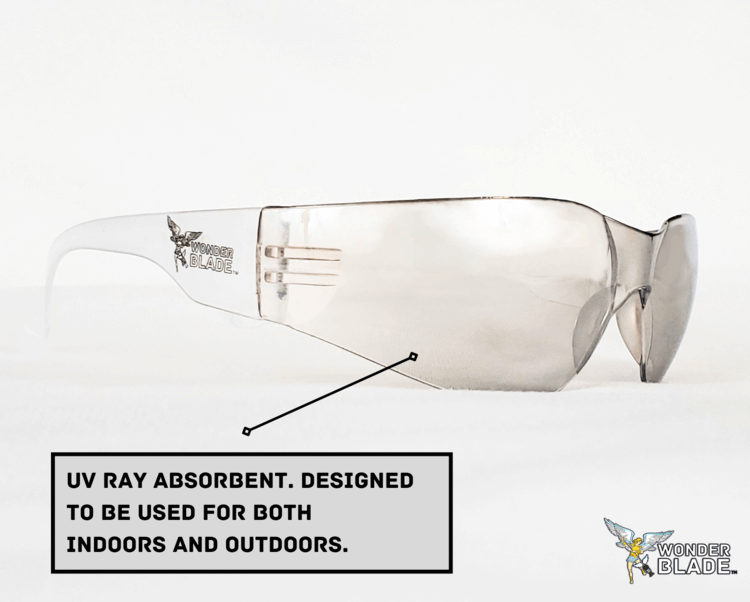
Credit: wonderblade.com
Purpose Of Safety Glasses
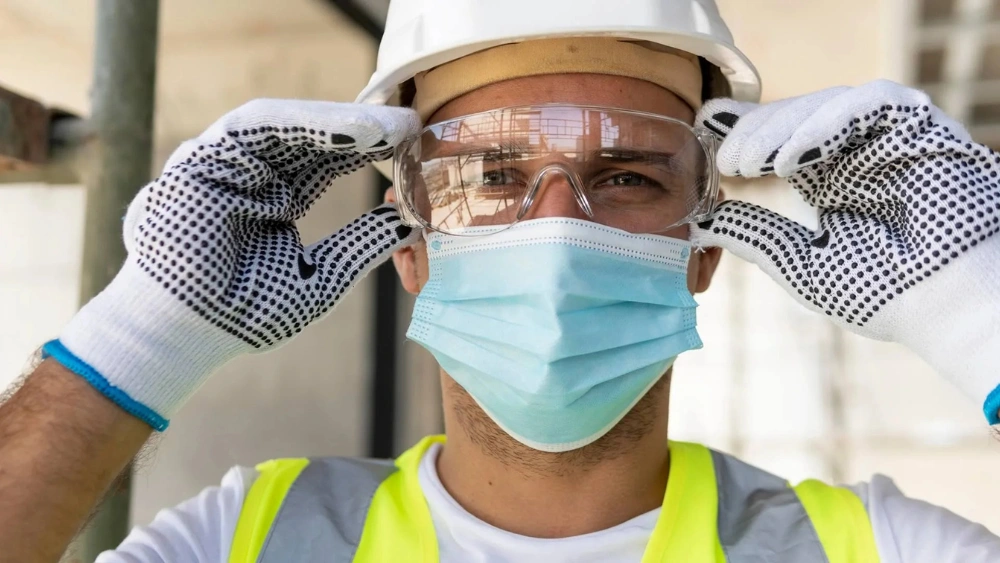
Safety glasses protect your eyes from harm. They are essential in workplaces with flying objects. Bits of metal or wood can cause injury. Even at home, they are useful. Chemicals in cleaners can splash. They shield eyes from dust and sand too.
These glasses help in bright environments. Sunlight can strain eyes. They can also block UV rays. Workers in labs use them to prevent chemical burns. Construction sites require them for safety. They are part of safety gear. Comfort is key for long wear. Choose ones with clear lenses for better vision.
Some have side shields for extra protection. Others are wrap-around types. They ensure objects don’t reach the eyes. Adjustable frames provide a better fit. Anti-fog lenses are great for cold areas. They help in keeping the vision clear. Safety glasses are vital for eye care.
Key Features
Safety glasses are strong. They can stop things from hitting your eyes. This is called impact resistance. It keeps your eyes safe from flying objects. Workers and sports players need this feature. It helps stop eye injuries.
These glasses block harmful sun rays. The UV protectionkeeps your eyes healthy. It stops the sun from damaging your eyes. People who work outside should wear these glasses. They help to protect against sunburn in the eyes.
Glasses can fog up in cold places. Anti-fog coating stops this problem. This feature helps you see clearly all the time. It is important for workers in different temperatures. It keeps vision clear and safe.
Types Of Safety Glasses
These glasses help protect eyes. They are for people who need vision correction. Lenses are custom-made for each person. They combine safety and clarity. Frames are strong to handle impacts. Useful for those who work in hazardous places. They fit well and do not slip. They ensure clear vision all the time.
Anyone can use these glasses. They protect eyes from dust and debris. Affordable and easy to find. Perfect for hobbyists and workers. Lenses are clear or tinted. They shield eyes from harmful light. Frames come in many styles and colors. Comfortable for long wear. Essential for outdoor and indoor tasks.
Goggles are for full eye protection. Fit tightly around the eyes. They stop liquids and particles from entering. Used in labs and workshops. Goggles are more secure than regular glasses. Adjustable straps make them fit well. They are also fog-resistant. Perfect for splash-prone environments. Keep eyes safe and sound.
Industries And Environments
Construction sites are filled with potential hazards. Flying debris and dust are common. Workers must wear safety glasses to protect their eyes. These glasses can shield against harmful particles. They also prevent injuries from tools and equipment.
Laboratories often use chemicals and substances. Accidental splashes can damage eyes. Safety glasses are vital for protection. They guard against chemical exposure. Scientists and lab technicians use them daily. They ensure safety while conducting experiments.
Manufacturing involves heavy machinery. Sparks and small particles can fly around. Safety glasses are essential here too. They protect workers from unexpected hazards. These glasses are designed to withstand impact. They help keep eyes safe in busy factories.
Regulations And Standards
Safety glasses protect eyes from harm. OSHA is a group that cares about safety. It tells workers to wear safety glasses for eye protection. It gives rules for safety gear. This helps keep workers safe. Safety glasses are a must in many jobs. They stop dust, chemicals, and sharp objects from hurting eyes. OSHA rules are clear. They help prevent injuries. Workers trust these rules for safety. Employers must follow them.
ANSI is another group that cares about safety. It sets standards for safety glasses. These standards make sure glasses are strong. They must not break easily. Safety glasses should fit well. They must cover eyes properly. ANSI rules check for quality. They make sure glasses can stop flying objects. Workers feel safe wearing them. Employers trust ANSI standards. They ensure glasses are made well.
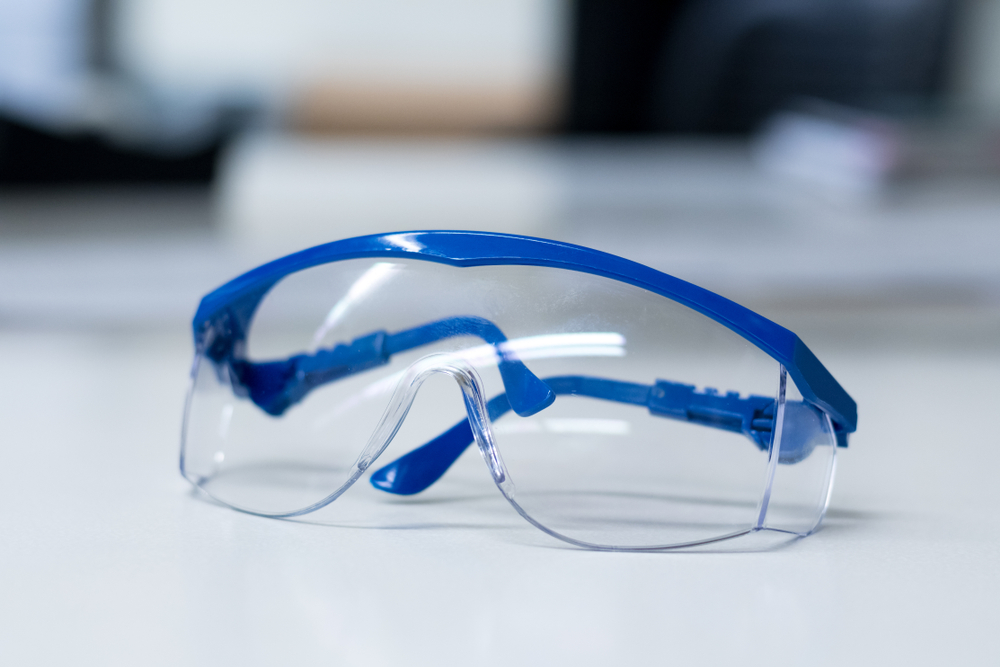
Credit: www.mrtruckparts.com
Choosing The Right Pair
Safety glasses must fit well on your face. Too tight can hurt. Too loose might slip off. Check the nose pads. Soft pads feel better. Adjustable arms can help fit better. Feeling comfortable is important for long use.
Lenses come in different materials. Polycarbonate is strong and light. It is good for impact resistance. Glass lenses are clear and scratch-resistant. But they are heavier. Plastic lenses are light but scratch easily. Choose based on your needs.
Frames hold the lenses. Metal frames are strong but can be heavy. Plastic frames are light and colorful. Wrap-around frames offer more protection. They cover the sides. Choose a design that you like and need.
Maintenance Tips
Safety glasses protect eyes from harmful debris and chemical splashes. Essential for construction and lab work, they ensure safety. Regular inspection for scratches and damage is vital to maintain effectiveness.
Cleaning
Clean safety glasses to keep them clear. Use a soft cloth to wipe them. Avoid harsh chemicals; they can damage the lenses. Instead, use mild soap and water. Rinse under running water to remove dirt. Dry with a clean cloth for best results. Regular cleaning keeps glasses free from scratches and smudges.
Storage
Store safety glasses in a case when not in use. This protects them from dust and scratches. Keep them in a cool, dry place. Avoid leaving them in direct sunlight. Sunlight can warp the frames. Proper storage helps the glasses last longer.
Replacement
Replace safety glasses if they are damaged. Check for cracks or scratches often. Worn-out glasses may not protect your eyes. Buy new ones if they don’t fit well. Safe glasses should sit snugly on your face. Regular replacement ensures maximum protection.
Common Misconceptions
One-Size-Fits-Allis a common belief about safety glasses. Many think all glasses fit everyone. This is not true. Safety glasses come in many sizes. They need to fit well to protect eyes. Poorly fitting glasses can cause discomfort. They may slip off easily. Always choose the right size for your face.
Limited Visibilityis another myth. Some say safety glasses block view. Good safety glasses should not limit vision. Modern designs focus on clarity. They offer a wide view range. Clear lenses help see better. Choose glasses with anti-fog features. This prevents fogging during use.

Credit: www.oteplace.com
Frequently Asked Questions
What Is The Purpose Of Wearing Safety Glasses?
Safety glasses protect eyes from debris, chemicals, and harmful rays. They reduce injury risk in hazardous environments.
What Are The Three Situations That Require The Use Of Safety Goggles?
Safety goggles are essential during activities involving chemical handling, operating power tools, and exposure to flying debris. They protect eyes from harmful substances, prevent injuries from sharp objects, and safeguard against dust or particles. Always prioritize eye safety in hazardous environments.
When Should You Put On Your Safety Glasses?
Wear safety glasses during any activity that poses a risk to your eyes. Use them while working with tools, chemicals, or machinery. Protect your eyes during construction, laboratory work, or any hazardous environment. Ensure they fit properly and provide adequate protection.
Prioritize eye safety to prevent injuries.
Under What Conditions Should Safety Glasses Be Worn?
Wear safety glasses when working with chemicals, sharp objects, or flying debris. Use them during machining, grinding, or any hazardous task. Protect your eyes in environments with dust, splashes, or radiation. Always follow workplace safety protocols to prevent eye injuries.
Conclusion
Safety glasses protect our eyes from harm. They shield against dust, debris, and chemicals. Essential in workplaces like factories and labs. They prevent serious injuries and keep vision safe. Everyone should use them when needed. Proper fit ensures maximum protection.
Choose the right type for specific tasks. Regular cleaning and maintenance are crucial. Always store them safely to avoid scratches. Safety glasses are a simple, effective precaution. Investing in quality eyewear pays off. Protect your eyes and work confidently. Make safety a priority, every day.
Your vision deserves the best care.