Have you ever wondered how those beautifully crafted wooden bowls, intricate chair legs, or stunning sculptures are made? If you’re curious about woodworking and want to bring your creative visions to life, understanding the tool behind these masterpieces is essential.
Enter the wood lathe—a fascinating machine that can transform a simple piece of wood into a work of art. Imagine the satisfaction of carving and shaping wood with precision, turning your ideas into tangible creations. A wood lathe empowers you to do just that, offering you the chance to explore endless possibilities in woodworking.
Whether you’re a seasoned craftsman or a beginner eager to try something new, learning about wood lathes can open up a world of creativity. We’ll dive into what a wood lathe is, how it works, and why it’s an invaluable tool for any woodworking enthusiast. You’ll discover how a wood lathe can enhance your projects and elevate your skills, giving you the confidence to tackle ambitious designs. Keep reading to uncover the secrets of this powerful tool and find out how it can revolutionize your woodworking journey.
History Of Wood Lathes
The wood lathe is an ancient tool that has shaped the way we create objects from wood. Understanding its history helps us appreciate the craftsmanship behind wooden art and furniture. As you learn about its evolution, you’ll see how innovation and creativity have transformed simple tools into sophisticated machines, each step enhancing the art of woodworking.
Early Beginnings: The Ancient Lathe
Wood lathes date back to ancient Egypt, around 1300 BC. They were manually operated by two people. One person turned the wood using a rope, while the other shaped it with a sharp tool.
This primitive design was effective for crafting simple objects. Imagine how much skill and coordination it took to create symmetrical pieces without modern conveniences.
The Middle Ages: Advancements In Design
During the Middle Ages, the lathe evolved with the addition of a pedal. This innovation allowed a craftsman to work alone, using foot power to rotate the wood.
This era saw the rise of beautiful wooden furniture. The pedal lathe made it easier to produce intricate designs, empowering artisans to express their creativity.
The Industrial Revolution: From Manual To Machine
The Industrial Revolution brought significant changes. Lathes became powered by steam engines, drastically improving efficiency and precision.
Mass production became possible, yet the artistry remained. This period marked the transition from handcrafted to machine-assisted woodworking.
Modern Day: Technological Integration
Today’s wood lathes are marvels of technology, incorporating electric motors and computerized controls. They offer precision and ease unmatched by earlier models.
You can create complex designs with minimal effort. Technology has expanded the possibilities, inspiring both hobbyists and professionals to push the boundaries of woodworking.
Consider how this progression impacts your projects. Are you utilizing the full potential of modern lathes, or do traditional methods still hold value for you?
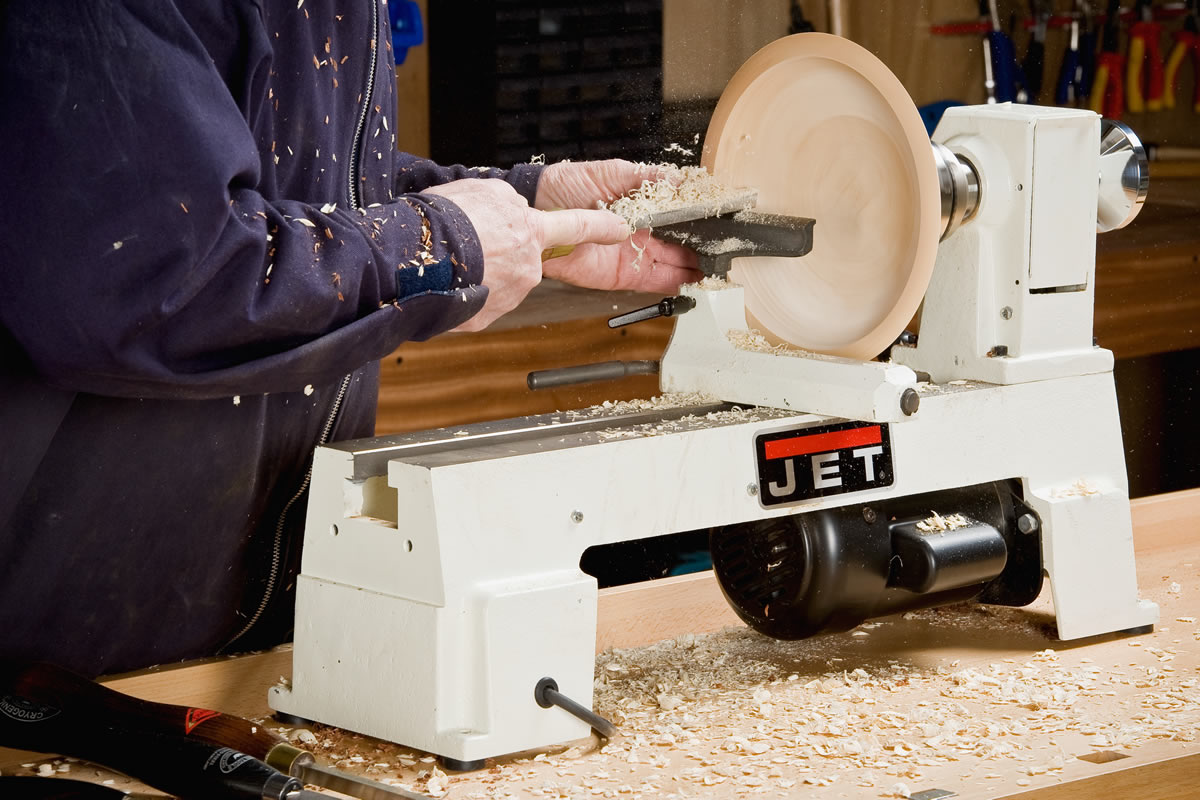
Credit: www.axminstertools.com
Basic Components
Understanding the basic components of a wood lathe is essential for any woodworker. Each part plays a crucial role in shaping and crafting wood pieces. Let’s explore these components to get a better grip on their functions and importance.
Headstock
The headstock is a vital part of the wood lathe. It houses the motor and spindle. This component is responsible for rotating the workpiece. Woodworkers rely on its stability during operations. The speed control is also found here, allowing precise adjustments.
Tailstock
The tailstock provides support and balance to the workpiece. It is adjustable and can be moved along the lathe bed. This helps in securing longer pieces firmly. A tailstock often includes a center pin for added stability.
Tool Rest
The tool rest is where the cutting tools are placed. It offers support while shaping the wood. Users can adjust its height and angle. This flexibility aids in achieving various cuts and designs. A steady tool rest ensures accurate and safe work.
Bed
The bed is the foundation of the wood lathe. It connects the headstock and tailstock. This component allows smooth movement of parts along its length. The bed must be sturdy and level for effective operation. A well-maintained bed ensures precision and efficiency.
Types Of Wood Lathes
Wood lathes are machines used to shape wood by rotating it against a cutting tool. Different types include bench-top, midi, and full-size lathes. Each type offers unique benefits. Bench-top lathes suit small projects, while full-size models handle larger tasks. Understanding these helps in choosing the right tool for your needs.
Wood lathes are fascinating tools that transform chunks of wood into beautiful, symmetrical creations. Whether you’re a hobbyist or a professional woodworker, understanding the types of wood lathes available can significantly impact your work. Each type of lathe offers unique features that cater to different needs and projects. Let’s explore the different types of wood lathes and see which one might be the perfect fit for you.Benchtop Lathes
Benchtop lathes are compact and perfect for small spaces. They are ideal for beginners or hobbyists. These lathes are portable, allowing you to move them around your workshop easily. Benchtop lathes are designed to handle small projects like pens, bowls, and decorative items. If you live in an apartment or have limited workspace, these lathes offer a practical solution without compromising on quality.Mini Lathes
Mini lathes are small but mighty. They offer more power than benchtop versions, making them versatile for different projects. You can work on items like spindles, furniture legs, or intricate decorative pieces. Mini lathes are perfect for those who want to explore woodturning without investing in a full-size machine. They provide a great balance between size and capability. You may find that a mini lathe becomes your go-to tool for most projects.Full-size Lathes
Full-size lathes are the heavyweight champions of the woodturning world. These machines are robust and can handle large, complex projects. If you’re looking to create large furniture pieces or need to work with bigger wood chunks, a full-size lathe is your best friend. Investing in a full-size lathe means you have the power and stability to tackle almost any project. While they require more space and a higher budget, the range of possibilities they offer is immense. Have you ever found yourself limited by your current lathe? Upgrading to a full-size lathe could be the answer, opening doors to new creative endeavors. In your journey of woodturning, the type of lathe you choose can make a significant difference. Whether you need something small and portable or a powerhouse for your workshop, there is a lathe designed to meet your needs. Consider your projects, space, and budget when making your choice. Which type of lathe do you think would elevate your woodworking projects?Essential Tools And Accessories
A wood lathe shapes wood into intricate designs using rotation and cutting tools. This essential equipment helps craft bowls, spindles, and other wooden items. Accessories like chisels and gouges enhance precision and efficiency, making it a valuable asset in woodworking.
When you step into the world of woodturning, a wood lathe becomes your best friend. But to truly unlock its potential, you need the right tools and accessories. These essential items not only enhance your creativity but also ensure safety and precision. Let’s dive into the must-have tools and accessories that every woodturner should have in their workshop.Chisels And Gouges
Chisels and gouges are the backbone of woodturning. They shape, carve, and add intricate details to your projects. Having a variety of these tools allows you to tackle different tasks with ease. Imagine trying to carve a delicate curve or a sharp edge without the right chisel. It would be like trying to paint a masterpiece with a broom! Ensure you have a basic set, including spindle gouges, bowl gouges, and parting tools. Each tool has its unique purpose. A spindle gouge is perfect for detailed work, while a bowl gouge handles the heavy lifting of hollowing out bowls. Don’t forget to keep them sharp for clean cuts.Faceplates And Chucks
Faceplates and chucks are essential for securing your workpiece to the lathe. They hold the wood steady, allowing you to focus on shaping it. Consider them as the trusty hands that keep everything in place. Faceplates are ideal for larger pieces, providing a stable foundation. Chucks, on the other hand, offer versatility with their ability to grip the wood in multiple ways. You can switch between different jaws depending on the task at hand. Have you ever experienced your project slipping off the lathe mid-turn? It’s not only frustrating but can also be dangerous. Investing in quality faceplates and chucks can prevent these mishaps and save you time and material.Measuring Tools
Precision is key in woodturning, and measuring tools ensure you get it right. These tools guide you to create consistent and accurate pieces. Without them, you’re just guessing and hoping for the best. Calipers are indispensable for checking the thickness of your work. They’re like the secret ingredient that ensures uniformity. Rulers and tape measures help in marking and aligning your project. Imagine the satisfaction of creating a perfectly symmetrical bowl or a series of matching chair legs. With the right measuring tools, your projects can achieve that level of perfection. What tools do you use to ensure precision in your work? Equipping yourself with the right tools transforms your woodturning experience. Each tool has its role, and together, they elevate your craft. Ready to enhance your workshop?Choosing The Right Wood
Choosing the right wood for your wood lathe projects can make all the difference. The wood you select not only impacts the final appearance but also determines how easy or challenging your project will be. Whether you’re crafting a delicate bowl or a sturdy table leg, understanding the nuances of wood types is crucial. Let’s dive into the specifics.
Hardwood Vs. Softwood
Hardwoods are often the go-to for projects that require durability and a beautiful finish. Think oak, maple, or walnut. These woods have tighter grain structures and offer a smooth surface that’s perfect for intricate designs. However, they can be tough to work with, demanding sharper tools and more patience.
Softwoods, like pine and cedar, are more forgiving. They’re easier to shape, making them ideal for beginners or quick projects. But they may not provide the same level of detail or longevity as hardwoods. When you choose your wood, consider the balance between ease of use and the lifespan of your creation.
Grain Patterns
Grain patterns tell a story. They add character and uniqueness to your piece. Straight grains are predictable and straightforward to work with, while irregular grains create captivating designs but might pose challenges during turning.
Imagine crafting a bowl with swirling grain patterns that catch the light from every angle. It can turn a simple design into a masterpiece. Consider how the grain will enhance or challenge your intended project.
Moisture Content
Wood moisture content is a critical factor. Too much moisture can lead to warping and cracking, turning your masterpiece into firewood. It’s like baking a cake; the right ingredients make all the difference.
Invest in a moisture meter to ensure your wood is at the optimal level. Aim for a moisture content of around 6-8% for most projects. This ensures stability and longevity, allowing your work to shine for years.
As you ponder your next project, ask yourself: What characteristics do you want your finished piece to embody? Your choice of wood is the first step toward achieving that vision.
Basic Techniques For Beginners
Learning the basics of woodturning can be exciting. A wood lathe is a tool that spins wood. This allows you to shape and carve the material. For beginners, mastering basic techniques is essential. Let’s explore some foundational skills. These will help you start your woodturning journey.
Mounting The Wood
Start by securing the wood on the lathe. Make sure it’s firm and balanced. Use a faceplate or a chuck. This keeps the wood stable. A secure grip ensures smoother turning. Check the alignment before you begin. This step is crucial for safety. Proper mounting prevents accidents.
Turning And Shaping
With the wood mounted, begin turning the lathe. Use a sharp tool to shape the wood. Keep your hands steady. Start with simple shapes. Cylinders and cones are great for beginners. Move the tool slowly. This helps in creating a smooth surface. Practice makes perfect. The more you turn, the better you’ll get.
Sanding And Finishing
After shaping, smooth the wood with sandpaper. Start with coarse grit. Gradually move to finer grits. This removes tool marks. A smooth finish enhances the wood’s appearance. Once sanded, apply a finish. Oils or waxes work well. This protects the wood. It also gives a beautiful shine.
Advanced Techniques
When you dive into advanced wood lathe techniques, you open a world of creativity and precision. These techniques elevate your woodworking from basic shaping to artful craftsmanship. Whether you’re looking to add intricate designs or explore new forms, mastering these methods will expand your skill set and enhance your creations.
Segmented Turning
Segmented turning involves assembling multiple pieces of wood to form a single object. It’s like building a puzzle with each piece carefully chosen for its color and grain pattern. You can create stunning geometric patterns or intricate designs by gluing different segments together before turning them on the lathe.
Imagine crafting a bowl with contrasting colors spiraling around its surface. This technique requires precision in cutting and assembling, but the visual impact is worth the effort. It challenges you to think creatively about color and form, pushing the boundaries of what you can achieve with a wood lathe.
Hollowing Techniques
Hollowing techniques allow you to create vessels with thin walls and delicate shapes. Using specialized tools, you can remove the interior wood, achieving a lightweight and elegant form. This method is perfect for creating vases or artistic sculptures with a refined finish.
Consider the satisfaction of holding a perfectly hollowed piece, where every curve is intentional and the weight is just right. Hollowing adds depth to your work, both literally and figuratively. It requires patience and control, but the results can be breathtaking.
Texturing And Burning
Texturing and burning add unique surface details to your woodturning projects. By using tools like wire brushes or pyrography pens, you can etch patterns or create tactile surfaces. This adds a new dimension to your work, making it not just visually appealing but also interesting to touch.
Have you ever run your fingers over a textured piece and marveled at the intricate details? Texturing can enhance the natural beauty of the wood or introduce entirely new elements to your design. It invites viewers to explore your work with more than just their eyes.
These advanced techniques not only challenge you but also offer a pathway to express your creativity in new and exciting ways. Which technique will you try next to push your skills further?

Credit: www.wikihow.com
Safety Tips
Using a wood lathe is exciting. It’s a tool for crafting detailed wood pieces. Safety is crucial when working with a wood lathe. Protect yourself and maintain your workspace properly. These tips help ensure safe and smooth operation.
Protective Gear
Wear safety goggles to protect your eyes. Flying wood chips can cause injury. Use ear protection as the lathe can be loud. A dust mask is essential. It prevents inhalation of fine wood particles. Gloves should be snug. Loose gloves can catch in the lathe.
Maintaining The Lathe
Regularly inspect your lathe for loose parts. Tighten any loose screws or bolts. Clean the lathe after each use. Remove wood shavings and dust. Lubricate moving parts to ensure smooth operation. Check belts and replace if worn.
Proper Workspace Setup
Ensure your workspace is well-lit. Good lighting helps you see clearly. Keep the area around the lathe clean. Remove any clutter or obstacles. Ensure the lathe is on a stable surface. Stability reduces vibrations during use. Have easy access to emergency stops. Quick action is crucial in emergencies.
Inspirational Projects
A wood lathe spins wood rapidly, allowing artisans to shape and carve intricate designs. It transforms blocks into beautiful creations, crafting bowls, furniture legs, and other artistic pieces. This essential tool inspires creativity, turning ordinary wood into extraordinary projects.
Wood lathes open up a world of creativity, transforming simple pieces of timber into stunning works of art. If you’ve ever stood in awe of finely crafted wooden items, you’ll be amazed at what you can achieve with a wood lathe. The projects you can create are only limited by your imagination. Imagine crafting a beautifully smooth wooden bowl, or perhaps an intricately detailed spindle. Decorative plates can also add a touch of elegance to any room in your home. Let’s explore some inspirational projects you can try on your wood lathe.Wooden Bowls
Crafting a wooden bowl on a lathe is a rewarding project that can elevate your woodworking skills. The process involves shaping a block of wood into a functional and artistic piece. Start with a simple design. As you gain confidence, experiment with different wood types and shapes. The satisfaction of turning a rough piece of wood into a polished bowl is unparalleled. Consider using contrasting wood colors to create a unique look. This project is perfect for gifts or simply adding a personal touch to your kitchenware.Intricate Spindles
Spindles are a testament to the precision and skill involved in woodturning. They can be as simple or complex as you like, offering endless possibilities for creativity. Think about the design of your spindle. Do you want something simple for a chair leg or a more detailed piece for a decorative element? Challenge yourself with different patterns and techniques. You’ll be surprised by the intricate designs you can achieve with practice.Decorative Plates
Decorative plates are not just for function; they can be art pieces in their own right. A wood lathe allows you to turn a plain piece of wood into a stunning display item. Experiment with different edge treatments and surface decorations. Add texture or color to make your plate stand out. What story will your decorative plate tell? Perhaps it’s a memory of a special place, or simply a design that speaks to you. Each project you undertake on the wood lathe is an opportunity to express your creativity. Which project will you start with?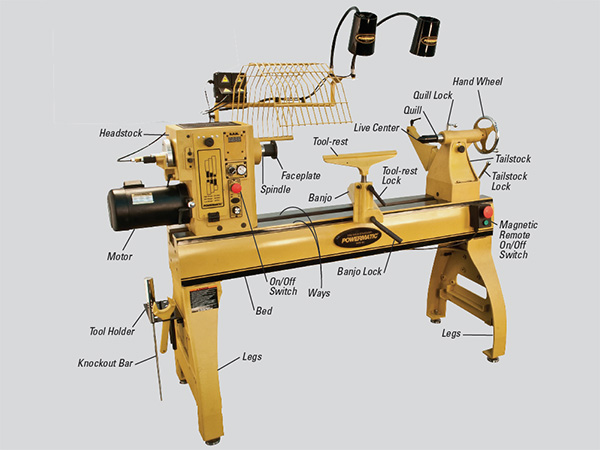
Credit: www.woodworkersjournal.com
Resources For Continuous Learning
Exploring the world of wood lathes opens a door to creativity. Continuous learning is essential to hone your skills. There are numerous resources available to enhance your expertise. These resources cater to beginners and experienced woodworkers alike.
Online Tutorials
Online tutorials offer a convenient way to learn. Platforms like YouTube have countless videos on wood lathe techniques. Experts share their knowledge through step-by-step demonstrations. These videos cover basic turning to complex projects. You can pause, rewind, and practice alongside the tutorial.
Books And Magazines
Books provide in-depth information on wood lathes. They cover history, techniques, and project ideas. Magazines keep you updated with trends in woodworking. They often feature articles from experienced woodworkers. Reading books and magazines can deepen your understanding. It’s a great way to learn at your own pace.
Workshops And Classes
Attending workshops offers hands-on experience. Classes provide direct interaction with instructors. You can ask questions and get instant feedback. Workshops often cover specific techniques or projects. They are a great way to meet other woodturners. Learning from peers can enhance your skills significantly.
Frequently Asked Questions
What Do You Use A Wood Lathe For?
A wood lathe is used for shaping, cutting, sanding, and polishing wooden objects. It crafts items like bowls, spindles, and furniture components. The wood is rotated on the lathe while tools shape it to desired forms. This tool enhances precision and creativity in woodworking projects.
What Is The Lathe Used For?
A lathe is a machine tool used to shape, cut, and finish materials like wood, metal, or plastic. It rotates the workpiece on its axis, allowing for precise machining and crafting of cylindrical objects, threads, and more. Ideal for crafting furniture, mechanical parts, and artistic designs.
Are Wood Lathes Easy To Use?
Wood lathes are generally user-friendly with basic training. Beginners can learn quickly with practice and patience. Proper safety measures and guidance enhance ease of use.
What Is The Difference Between A Lathe And A Turning Machine?
A lathe rotates workpieces for shaping, while a turning machine cuts material using a stationary tool. Lathes focus on creating cylindrical shapes, whereas turning machines offer more varied designs with multiple axis options. Both machines serve different functions in metalworking and manufacturing processes.
Conclusion
A wood lathe is a valuable tool for woodworkers. It shapes and carves wood effortlessly. With practice, you can create beautiful pieces. Bowls, spindles, and even furniture legs come to life. Safety should always be a priority. Wear goggles and keep tools sharp.
Start simple and gradually tackle complex projects. The joy of crafting with a wood lathe is unmatched. It offers creativity and skill-building. Perfect for hobbyists and professionals alike. Understanding its features and uses is key. Now you’re ready to explore the world of woodturning.
Enjoy your woodworking journey!