Have you ever wondered what makes the glass in your car windshield or your home’s windows so tough and reliable? The answer lies in laminated safety glass, a product that’s all around you, yet often overlooked.
Imagine a material that not only enhances your safety but also offers peace of mind. That’s exactly what laminated safety glass does. When you understand how it works, you’ll realize why it’s a crucial part of everyday life. It’s more than just glass; it’s a shield that protects you and your loved ones.
In the next few paragraphs, we’re going to unlock the secrets of laminated safety glass. You’ll discover its unique properties, why it’s so important, and how it can make a difference in your world. Stay with us, and you’ll gain insights that could change the way you look at glass forever.
History Of Laminated Safety Glass
The first laminated safety glasswas invented in the early 1900s. People wanted to make glass safer. An accident led to the creation. A scientist dropped a glass beaker. It didn’t shatter. It had a coating that held it together.
Later, cars needed safer windows. Car accidents were dangerous. Laminated glass was used. It stopped glass from breaking into sharp pieces. This saved many lives.
Over time, the process improved. More layers were added. This made the glass stronger. Today, it’s used in cars, buildings, and more.
How Laminated Safety Glass Is Made
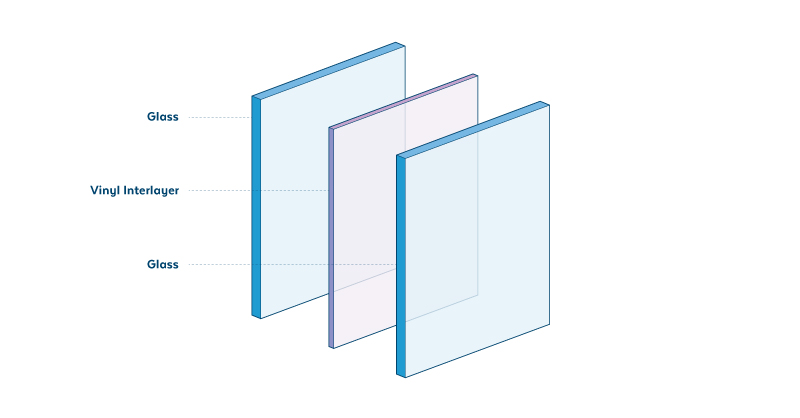
Laminated safety glass uses two main layers. The first is glass. The second is a plastic layer. This plastic is called PVB or polyvinyl butyral. PVB holds the glass together. It stops the glass from breaking into sharp pieces. Glassand PVBare the key materials in making laminated safety glass.
First, two pieces of glass are taken. A layer of PVB is placed between them. They are then heated. This heat melts the PVB. The glass and PVB are pressed together. This makes them stick. After pressing, they cool down. This makes the bond strong. The glass is now ready for use. It is safe and strong.
Benefits Of Laminated Safety Glass
Laminated safety glass is strong and tough. It has two glass layers. A special film holds them together. This makes it hard to break. Even if it cracks, it stays in place. Thieves can’t easily break through it. So, it keeps homes and cars safer.
This glass helps reduce noise. Busy streets can be very loud. Laminated glass blocks some of that noise. It helps keep homes quiet. This means less distraction from outside sounds. Perfect for peaceful living.
Laminated glass blocks harmful UV rays. These rays can damage skin and furniture. Over time, they fade colors on fabrics. This glass helps stop UV rays. It protects both people and things inside. A smart choice for safety.
Credit: www.leeglass.com
Applications In Everyday Life
Laminated safety glass is used in cars. It keeps people safe during crashes. The glass does not shatter easily. This helps protect drivers and passengers. It also reduces noise inside the car. This makes rides quieter and more pleasant. Laminated glass is also clear. It allows drivers to see better. This improves driving safety.
Buildings use laminated safety glass for windows. It provides extra security. It is hard to break. This keeps people safe inside. It also blocks harmful UV rays. This protects furniture from fading. Laminated glass insulates well. It keeps buildings warm in winter and cool in summer. This saves energy and money.
Airplanes use laminated safety glass for windows. It withstands strong winds and pressure. It protects passengers during flights. The glass is also clear. Passengers can enjoy views from above. Laminated glass is lightweight. It helps planes fly efficiently. This makes travel safer and more enjoyable.
Comparison With Other Safety Glasses
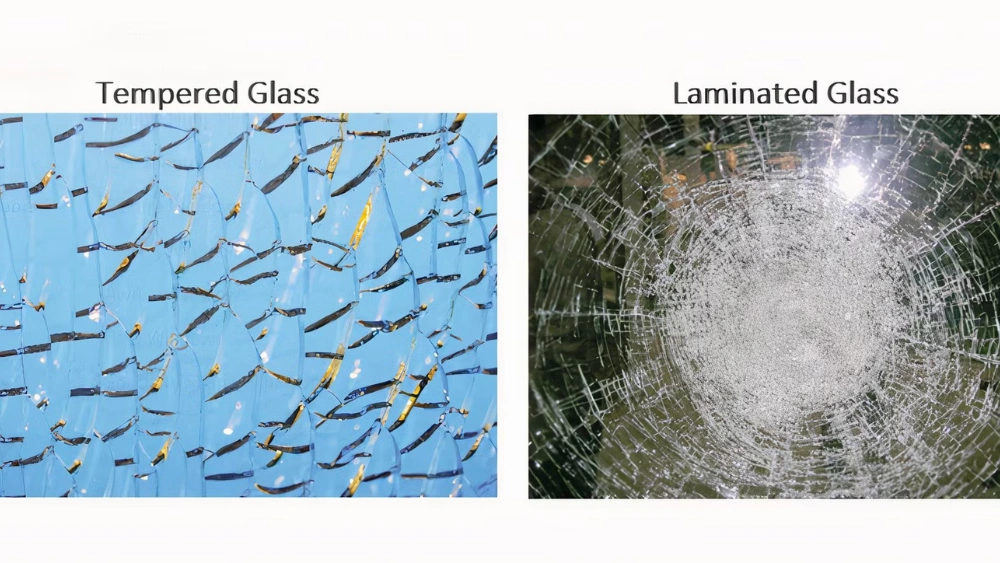
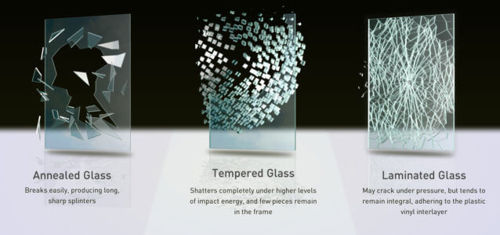
Laminated safety glass stands out for its strength, made by bonding layers with a plastic layer in between. Unlike tempered glass, it remains intact when shattered, offering superior protection. Ideal for high-impact environments, it ensures safety by preventing sharp fragments from scattering.
Tempered Glass
Tempered glass is tough. It breaks into small pieces. These pieces are not sharp. They don’t cut easily. Laminated safety glass is different. It has a layer inside. This layer holds the pieces together. Tempered glass does not have this layer. Both are good for safety. Laminated safety glass is better for cars and buildings.
Annealed Glass
Annealed glass is the most basic glass. It breaks into sharp pieces. These pieces can hurt people. Laminated safety glass is safer. It has a plastic layer. This layer stops glass pieces from falling. Annealed glass is cheaper. Laminated safety glass costs more. Safety is important. Laminated safety glass is used in many places. It’s used where safety is needed.
Credit: brennancorp.com
Maintenance And Care Tips
Use a soft cloth to clean the glass. Avoid using rough sponges or brushes. They can scratch the surface. Mild soap and water work best. Do not use strong chemicals. They can damage the glass. Rinse with clean water after washing. Dry with a soft towel. This prevents water spots.
Check the glass for cracks or chips often. This keeps it safe. If you find damage, fix it soon. Replace the glass if needed. Small cracks can grow larger. This makes the glass less strong. Always use a professional for repairs. They have the right tools. This ensures the glass stays safe.
Environmental Impact
Laminated safety glass can be recycled. It has layers of glass and plastic. Special processes separate these layers. This makes recycling possible. Recycling helps reduce waste. It also saves energyand resources. Many places have recycling centers for this glass. Recycling keeps the environment clean. It reduces the need for new materials. This is good for our planet.
Laminated safety glass helps in saving energy. It keeps buildings warm in winter. It keeps them cool in summer. This reduces the need for heaters and coolers. Less energy use means lower bills. It also reduces pollution. Using this glass is good for the earth. It is a smart choice for homes and offices. Energy savings help everyone.

Credit: destinglass.com
Future Innovations In Laminated Safety Glass
Smart glass changes with light and temperature. It can adjust its color and opacity. This helps control heat and light inside buildings. People enjoy more comfort and privacy. Smart glass can even display information. It can show weather updates or news alerts on the glass. This makes it useful in homes and offices. Innovation in smart glass keeps growing. New ideas bring more features every year.
Laminated safety glass is strong and safe. It does not break easily. If it breaks, pieces stay together. This reduces injury risks. Safety glass can block harmful rays from the sun. It keeps buildings cooler and protects skin. New designs make safety glass even better. Safer cars use this glass to protect passengers. Better homes use it to keep families safe. Safety features are always improving.
Frequently Asked Questions
What Is Laminated Safety Glass Used For?
Laminated safety glass is used in car windshields, buildings, and skylights for added security and sound reduction. It holds together when shattered, preventing injuries. This glass provides UV protection and enhances energy efficiency. It’s ideal for areas requiring durability and safety.
How Hard Is It To Break Laminated Safety Glass?
Breaking laminated safety glass is challenging due to its strong interlayer. It requires specialized tools or significant force. This glass type is designed to hold together when shattered, enhancing safety. It’s used in windshields and security applications, providing durability and resistance against impact.
What Is The Disadvantage Of Laminated Glass?
Laminated glass can be more expensive than regular glass. It may have reduced optical clarity over time. The glass can delaminate under extreme conditions. Its soundproofing benefits might be less effective compared to other materials. Installation requires skilled professionals, adding to costs.
Is Laminated Safety Glass Shatterproof?
Laminated safety glass is not shatterproof, but it holds together when broken. It consists of multiple layers with a plastic interlayer. This design prevents shards from scattering, enhancing safety. It’s commonly used in vehicles and buildings for added protection.
Conclusion
Laminated safety glass offers reliable protection for homes and vehicles. It combines strength with flexibility, making it a smart choice. This glass reduces injury risks during accidents. It also blocks harmful UV rays, adding health benefits. Laminated glass minimizes noise, creating peaceful environments.
It adds security by deterring break-ins. Consider this glass for its durability and safety features. It is a wise investment for safety-conscious individuals. Choose laminated safety glass to enhance protection and peace of mind. It is a practical solution for modern safety needs.