Imagine waking up to a fresh layer of snow covering everything in sight. You know you need to clear the driveway before you can start your day, but shoveling feels like such a chore.
Then, you spot your trusty leaf blower tucked away in the corner of the garage. A thought crosses your mind: could this handy tool handle snow as well as it does leaves? You’re not alone in wondering. Many people have contemplated using a leaf blower to clear snow, and you might be surprised at what you discover.
Before you grab your shovel or drag out the snowblower, let’s explore whether a leaf blower could be your unexpected ally in battling the wintery white. Dive into this article to find out if your leaf blower can really blow snow and save you from the cold, backbreaking work of traditional snow removal.

Credit: www.capecodtimes.com
The Mechanics Of Leaf Blowers
The mechanics of leaf blowers offer intriguing possibilities for snow removal. They are designed to move air at high speeds. This capability can be surprisingly effective on light snow. Understanding their types and operation reveals their potential.
Types Of Leaf Blowers
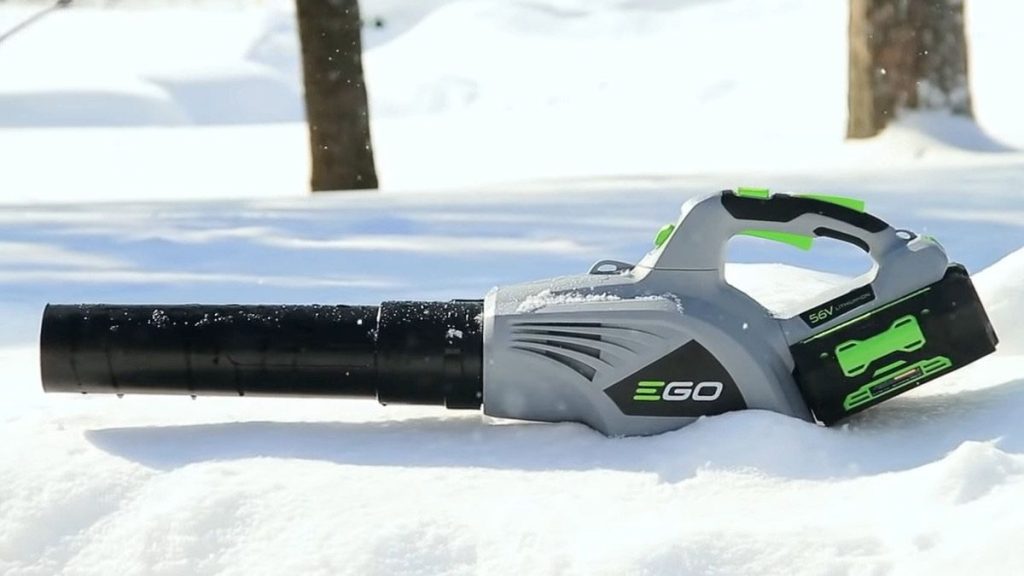
Leaf blowers come in three main types. The electric leaf blower is lightweight and easy to use. It requires a power outlet or battery. Gas-powered models are more powerful. They can handle larger areas but are heavier. Backpack leaf blowers are another option. They offer comfort and balance. These types vary in power and efficiency.
How Leaf Blowers Work
Leaf blowers operate by accelerating air. A motor powers a fan inside the machine. This fan pushes air out at high speed. The air stream can move debris or snow. Different models have varying air speed and volume. More powerful blowers can handle wet or heavy snow. Adjusting the speed can help target specific areas.

Credit: www.youtube.com
Using Leaf Blowers For Snow
Using a leaf blower for snow removal might seem unconventional. Yet, it can be surprisingly effective. Leaf blowers are versatile and can tackle light snowfalls. They offer a quicker alternative to shoveling. But, their effectiveness depends on the type of snow.
Effectiveness On Different Snow Types
Leaf blowers perform well on dry, powdery snow. This snow is lightweight and easy to move. Wet or heavy snow presents challenges. The blower might struggle to clear it. Ice or packed snow is even tougher. In these cases, a shovel might work better.
Advantages And Limitations
A leaf blower offers speed and convenience. It clears snow from small areas quickly. Sidewalks and decks are ideal for this tool. Blowers are also easy to handle and store. They don’t require much physical effort.
But there are limitations. Leaf blowers aren’t suitable for large snow accumulations. They may not work well in extreme cold. Battery-powered models might drain quickly. It’s important to consider these factors. Choose the right conditions for using a blower.
Comparing Leaf Blowers And Snow Blowers
Leaf blowers and snow blowers serve different purposes. Yet, they both move debris. Leaf blowers handle leaves and light debris. Snow blowers tackle snow and ice. Understanding their differences helps in choosing the right tool.
Power And Performance
Leaf blowers are generally less powerful. They work well on dry, light snow. Wet, heavy snow is a challenge for them. Snow blowers are designed for snow. They have engines built for heavy-duty tasks. They clear snow effectively, even in large areas.
Cost And Maintenance
Leaf blowers are often cheaper. They have fewer parts and simpler designs. Snow blowers cost more. They are complex machines. Maintenance is easier for leaf blowers. Snow blowers need more care. This includes regular checks and oil changes.
Safety Tips For Blowing Snow
As the winter chill sets in, you might find yourself eyeing your leaf blower, wondering if it could tackle the fresh blanket of snow outside. While it’s true that a leaf blower can help clear light, fluffy snow, using it safely is crucial. Let’s dive into some essential safety tips for blowing snow, ensuring you stay safe while keeping your driveway clear.
Proper Equipment Use
Using your leaf blower correctly can make all the difference. Ensure your blower is designed to handle cold temperatures. Some models work better in snow than others.
Check your blower’s power and adjust it to a suitable level. You don’t want to damage the surface underneath the snow or blow too aggressively, causing the snow to scatter in unwanted directions.
Remember to wear appropriate clothing. Cold weather demands layers, gloves, and sturdy boots to keep you warm and safe.
Avoiding Potential Hazards
Snow blowing comes with its own set of risks. Be mindful of the surroundings. Look out for ice patches that could cause you to slip.
Keep an eye on your blower’s cord or battery life. A sudden stop can be inconvenient, but it can also be unsafe if you’re dealing with heavy snow or if you’re in a remote area.
Watch for hidden obstacles under the snow. Rocks, branches, or other debris can damage your blower or cause you to trip. A quick inspection before blowing can save you time and trouble.
Have you ever tried using a leaf blower for snow? Did it work as you expected, or did you encounter any surprises? Share your thoughts below and let’s learn from each other’s experiences!
Environmental Considerations
As winter approaches, you might find yourself staring at a pile of snow and wondering if your trusty leaf blower could do the trick. But before you rev up that engine, consider the environmental implications of using leaf blowers for snow removal. It’s not just about efficiency; it’s about the impact on your surroundings and the planet.
Impact On Surroundings
Leaf blowers can be incredibly noisy. That high-pitched whirring sound might disturb not just your peaceful neighborhood but also local wildlife. Birds and small animals could be frightened or even disoriented, disrupting their natural behavior.
Additionally, leaf blowers emit fumes that contribute to air pollution. The exhaust from gas-powered models releases harmful chemicals into the air, affecting air quality. Think about the residue left behind on plants and surfaces; it’s not just snow you’re blowing away but potentially harmful particles.
Eco-friendly Alternatives
So, what can you do instead? Shoveling is the tried-and-true method, and it’s much quieter and pollution-free. Plus, it’s a great workout! You could also consider using a snow pusher, which is easier on the back than traditional shovels.
For those who prefer a powered option, electric snow blowers offer a quieter, more environmentally friendly choice. They produce less noise and zero emissions, making them a better fit for eco-conscious households.
Have you thought about using a broom? It might sound old-school, but for light dustings of snow, a broom can be surprisingly effective and gentle on the environment. It’s a chance to embrace simplicity and get a little fresh air while you’re at it.
Ultimately, the choice is yours. Will you opt for convenience at the cost of environmental impact, or explore alternatives that are kinder to the planet? Your decision could make a difference in your community and beyond.
Credit: www.tiktok.com
Expert Opinions And Reviews
In the quest to find out if a leaf blower can blow snow, expert opinions and reviews play a crucial role. These insights help us understand the effectiveness and limitations of using a leaf blower for snow. Let’s explore what users and industry experts have to say.
Testimonials From Users
Many users have shared their experiences with leaf blowers in winter. Some report success in clearing light snow from walkways and driveways. They find it useful for small snow accumulations. Others mention that leaf blowers work best on dry, powdery snow. Wet, heavy snow can be a challenge. A user from Michigan stated, “My leaf blower clears snow under two inches easily.”
Not all feedback is positive. Some users find leaf blowers less effective in deeper snow. “It struggles with snow over three inches,” shared a user from Colorado. These testimonials provide real-world perspectives on leaf blower performance in snowy conditions.
Insights From Industry Experts
Industry experts offer valuable insights into using leaf blowers for snow. They emphasize the importance of choosing the right blower. Experts suggest using a powerful, gas-powered blower for better results. Electric blowers might lack the strength needed for heavier snow.
Experts also advise considering the blower’s airflow speed. Higher speeds can move snow more effectively. “A blower with 400 CFM or more is ideal,” says an expert from a leading garden equipment company. These insights help users make informed decisions when using leaf blowers for snow.
Tips For Choosing The Right Equipment
Using a leaf blower to clear snow might seem unusual. Yet, with the right equipment, it can be quite effective. Choosing the right leaf blower is crucial for the task. It ensures efficiency and safety. Below are some tips to help you make the best choice.
Features To Look For
The power of the blower is important. A higher power means more snow cleared. Look for blowers with adjustable speed settings. This feature helps manage different snow levels. Lightweight designs are easier to handle. Consider electric models for quieter operation. They are also more eco-friendly.
Budget Considerations
Consider your budget before buying a leaf blower. Prices vary widely. Electric models are often less expensive. They also have lower maintenance costs. Gas-powered models are pricier but offer more power. Decide on the balance between cost and need. Purchase within your means while meeting your needs.
Frequently Asked Questions
Can I Blow Snow With A Leaf Blower?
Yes, a leaf blower can clear light, dry snow from driveways and sidewalks. Use a powerful blower for best results. Avoid using it on heavy, wet snow, as it’s less effective. For optimal performance, ensure the blower is properly maintained and charged or fueled before use.
Can I Use A Leaf Blower In The Winter?
Yes, you can use a leaf blower in winter. It’s great for clearing light snow and debris. Make sure it’s suitable for cold temperatures and avoid using it on heavy, wet snow. Always check the manufacturer’s guidelines for optimal performance and safety.
Can You Use A Leaf Blower To Blow Snow Off A Car?
Yes, a leaf blower can effectively remove snow from a car. Ensure the blower is set to a low setting. Using a leaf blower prevents scratches and is quick. Avoid wet, heavy snow; it may require manual removal. Always exercise caution to protect your vehicle’s paint.
Is There A Winter Mode On Leaf Blower?
Most leaf blowers do not have a specific winter mode. Always check your model’s manual for any special instructions. Proper storage and maintenance help ensure performance in cold weather. Consider using a snow blower for heavy snow instead.
Conclusion
Using a leaf blower to clear snow can be effective. Light and fluffy snow moves easily with the blower’s power. Wet or heavy snow might pose a challenge, though. The blower works best for small areas or light snowfalls. It’s handy for quick clean-ups.
But don’t expect it to replace a snow shovel for big tasks. Safety is key. Wear gloves to protect your hands. Also, keep the blower’s intake clear of snow buildup. Leaf blowers can be a useful tool in winter. They offer a quick solution for minor snow removal tasks.