Have you ever wondered how the intricate patterns on wooden furniture are crafted so perfectly? Or how woodworkers create those smooth edges and precise cuts?
The secret tool behind these impressive designs is the wood router. If you’re a DIY enthusiast or a budding woodworker, understanding how a wood router works can elevate your projects to a professional level. Imagine the satisfaction of effortlessly creating beautiful wooden pieces with precision and flair.
We’ll demystify the workings of a wood router, revealing how you can harness its power to transform your woodworking skills. Get ready to unlock the potential of your creativity!
Credit: www.doitbest.com
Wood Router Basics
Understanding how a wood router works can enhance your woodworking skills. This tool shapes wood with precision. It creates intricate designs and smooth edges. Mastering its basics is essential for any woodworker. A wood router is versatile and vital in workshops.
Components Of A Wood Router
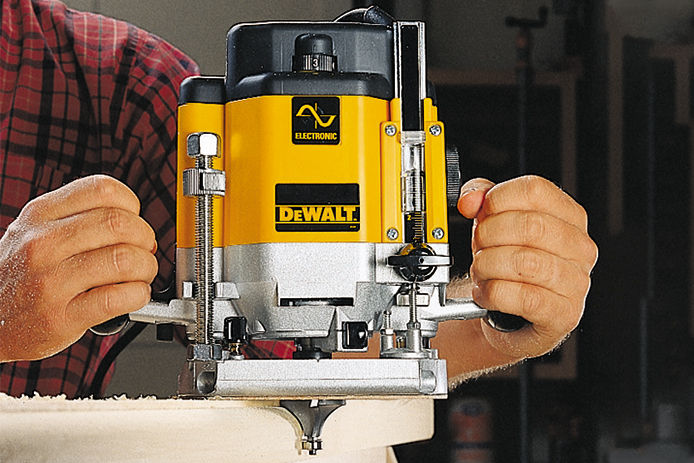
A wood router consists of several key components. The motor is its powerhouse, providing speed and torque. The base stabilizes the router during operation. The collet holds the cutting bits securely. Handles offer control and grip. The power switch activates the tool.
The depth adjustment ring sets the cutting depth. Some routers have variable speed controls. This feature adjusts the motor speed. Dust ports help keep the workspace clean. Each part plays a crucial role in efficient operation.
Types Of Wood Routers
Wood routers come in different types. Fixed-base routers offer precision and stability. They are ideal for edge cutting and molding. Plunge routers allow vertical movement. This feature aids in making deep cuts. They are great for intricate designs.
Compact routers are smaller and lightweight. They are perfect for small projects and detail work. Combo routers combine features of both fixed and plunge routers. This type provides flexibility in various tasks. Each type serves unique needs and preferences.
Working Principles
A wood router is a versatile tool used in woodworking. It shapes and cuts wood with precision. Understanding its working principles helps in using it effectively. The tool consists of a motor and a router bit. Together, they create intricate designs in wood. Learning about these components enhances your woodworking skills.
Motor Functionality
The motor is the heart of the wood router. It provides power to the router bit. Typically, motors come in two types: fixed and plunge. Fixed motors maintain a constant position. Plunge motors move up and down during operation. Motor speed is adjustable. This allows for control over the cutting process. Faster speeds result in smoother cuts. Slower speeds are ideal for detailed work.
Router Bit Operations
Router bits are essential for shaping wood. They come in various shapes and sizes. Each bit serves a specific function. Some are for edging, others for grooving. The bit rotates at high speed. This allows it to cut through wood efficiently. Choosing the right bit is crucial. It depends on the desired shape and wood type. Proper bit installation ensures safety and precision.
Techniques And Applications
Wood routers offer versatility in woodworking, offering precise cuts and finishes. Understanding its techniques helps achieve desired results. The router’s applications range from simple edge routing to intricate decorative work. Explore different techniques to expand your woodworking skills and creativity.
Edge Routing Techniques
Edge routing shapes the wood’s edges. It creates smooth or decorative profiles. Use different bits for varied designs. Round-over bits soften sharp edges. Bevel bits add angled cuts. Practice improves precision and finish quality.
Groove And Slot Cutting
Grooves and slots enhance joint strength. A straight bit carves narrow channels. Use a spiral bit for clean, smooth cuts. Position the wood firmly for accuracy. Consistent speed ensures even depth. This technique is vital for cabinet making and shelving.
Decorative Trim Work
Decorative trim adds elegance to furniture. Use molding bits to create intricate patterns. Choose the design that suits your project. Test on scrap wood before final cuts. Achieve perfect alignment for a professional look. Decorative trims elevate simple projects to art.
Safety Measures
Understanding how a wood router works is exciting, but safety should always be your top priority. The thrill of crafting intricate designs can quickly turn dangerous if proper precautions aren’t taken. Whether you’re a seasoned woodworker or a beginner, prioritizing safety can save you from accidents and injuries.
Personal Protective Equipment
Your first line of defense is proper protective gear. Safety goggles shield your eyes from flying wood chips and dust. These particles can cause serious eye injuries.
Ear protection is essential. The high-pitched noise of a router can damage your hearing over time. Consider earplugs or noise-cancelling earmuffs.
Don’t forget sturdy gloves. They protect your hands from sharp bits and rough edges. Make sure they fit well so you can still handle the router with precision.
Safe Operating Practices
Before you start, check your workspace. Ensure it’s clutter-free. A clean area helps you focus on the task at hand.
Secure your wood firmly. A moving piece can lead to mistakes or injuries. Clamps are your best friend here.
Always unplug the router before changing bits. This simple act prevents accidental starts, keeping you safe.
Use the router with a steady grip. A loose hold can lead to dangerous slips. Practice maintaining control even as the machine vibrates.
Think about the direction of your cuts. Cutting against the grain can be risky and produce poor results. Plan your approach carefully.
Have you ever experienced the panic of a tool slipping from your grip? Share your thoughts below on how you managed the situation.
Remember, every step you take towards safety enhances your woodworking experience. What safety measures do you find most effective?
Maintenance And Care
Maintaining your wood router ensures its longevity and optimal performance. Regular care prevents wear and tear, keeping your tool in top condition. Proper maintenance also enhances safety and efficiency during use. By dedicating time to care routines, you protect your investment and enhance your woodworking experience. Let’s delve into the key aspects of maintenance and care.
Cleaning And Lubrication
Clean your wood router after each use. Dust and debris accumulate quickly. Use a soft brush or compressed air for cleaning. Remove all dust from vents and moving parts. Lubricate the router’s motor and bearings. Apply appropriate lubricant sparingly. Avoid over-lubrication to prevent residue build-up. Regular lubrication ensures smooth operation and reduces friction.
Storage Recommendations
Store your router in a dry, cool place. Avoid damp environments to prevent rust. Use protective covers for added safety. Organize accessories and bits neatly. Keep them in a dedicated storage box. Label the storage box for easy identification. Ensure the router is unplugged before storage. This prevents accidental activation and protects the tool.
Credit: www.toolstop.co.uk
Troubleshooting Common Issues
Understanding how a wood router works involves grasping its basic functions and components. It spins at high speed, carving out wood with precision. Common issues often relate to incorrect bit installation or motor problems, which can affect performance. Regular maintenance ensures smooth operation and longevity.
Troubleshooting common issues with your wood router can save you both time and frustration. Whether you’re a seasoned woodworker or a beginner, encountering problems is almost inevitable. Knowing how to address these issues not only improves your work quality but also enhances the lifespan of your router. Let’s dive into some frequent problems you might face and how to solve them effectively.Motor Problems
One of the most frequent issues with wood routers is motor malfunction. If your router’s motor isn’t starting, check the power source first. A loose plug or a tripped circuit breaker could be the culprit. If the motor still doesn’t work, inspect the brushes. Worn-out brushes can hinder performance. Replacing them might solve the issue. Sometimes overheating can be a problem. Make sure to give your router breaks during extended use. Consistent overheating might indicate a more serious issue that requires professional attention.Bit Selection Errors
Choosing the wrong bit can lead to poor results or even damage your project. Ensure you select the correct bit for the material and the task at hand. For instance, using a bit meant for softwood on hardwood can dull the bit quickly. Check that the bit is installed securely in the collet. An improperly seated bit can wobble, leading to uneven cuts and potential safety hazards. Have you ever thought about how bit speed affects your work? A mismatch between bit type and speed can result in burn marks or rough edges. Adjust the router’s speed settings according to the manufacturer’s recommendations for each bit. By addressing these common issues, you can improve your woodworking projects significantly. Have you encountered other problems with your wood router? Share your experiences and solutions in the comments below. Your insights could help fellow woodworkers tackle similar challenges.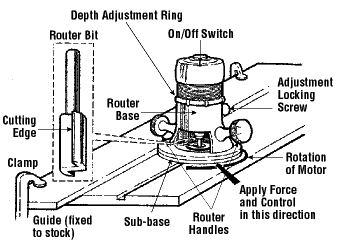
Credit: www.ccohs.ca
Frequently Asked Questions
What Does A Router Do To Wood?
A router shapes wood by hollowing out areas, creating edges, grooves, and intricate designs. It enhances craftsmanship with precision, allowing for detailed carvings and decorative patterns. Routers are essential for woodworking, providing smooth finishes and versatile applications in furniture making and cabinetry.
How Does A Router Work For Dummies?
A router connects devices to the internet by directing data between them and the modem. It assigns IP addresses, manages traffic, and ensures secure connections. Routers can be wired or wireless, enabling multiple devices to access the network simultaneously while maintaining speed and efficiency.
How Deep Can A Router Cut Wood?
A router typically cuts wood up to 1. 5 inches deep. Bit size and router power can influence the depth. Adjust the cutting depth gradually to avoid damaging the tool or material. Always ensure the router is suitable for your specific woodworking project to achieve the best results.
Do You Push Or Pull A Wood Router?
Push a wood router in the opposite direction of the bit’s rotation. This provides control and safety. Always maintain a firm grip and steady pressure for accurate routing. Moving against the rotation ensures smoother cuts and prevents kickback.
Conclusion
A wood router is a valuable tool for shaping wood. It carves, trims, and designs with precision. Understanding its parts and functions is crucial. Adjust the depth for different cuts. Use the right bit for each task. Safety is important; wear goggles and gloves.
Practice improves your skills over time. Woodworking becomes more enjoyable and efficient with a router. Explore your creativity, try new designs. With patience, you can create beautiful wood pieces. A wood router truly enhances any woodworking project.