Are your hedges looking a little wild and untamed? It’s time to take control and give your garden the tidy appearance it deserves.
Imagine the satisfaction of clean, crisp lines and perfectly shaped shrubs. With the right hedge trimmer in your hands, achieving that picture-perfect garden is within your reach. But how do you use a hedge trimmer effectively and safely? You might feel a bit overwhelmed at first, but don’t worry—you’re not alone.
Many people are initially unsure about handling this tool, yet mastering it can be surprisingly simple and rewarding. In this guide, you’ll discover step-by-step instructions and insider tips that will make you feel like a pro in no time. Let’s unlock the secrets to using a hedge trimmer and transform your outdoor space into a masterpiece. Dive in, because the garden of your dreams is just a trim away!

Credit: m.youtube.com
Choosing The Right Hedge Trimmer
Choosing the right hedge trimmer is crucial for a neat garden. The right tool makes trimming efficient and enjoyable. Different types suit different needs. Consider power source, mobility, and blade features. These factors influence ease and quality of trimming.
Electric Vs. Gas Trimmers
Electric trimmers are quieter. They require less maintenance. They’re ideal for small gardens. Gas trimmers are powerful. They handle thick branches well. Suitable for large areas. Gas models are heavier, often louder.
Corded Vs. Cordless Options
Corded trimmers offer constant power. No need to recharge. Limited by cord length. Cordless models are flexible. Easy to move around. Require charging. Good for medium-sized gardens.
Blade Length And Type
Blade length affects reach and precision. Short blades offer better control. Ideal for detailed shaping. Long blades trim large hedges faster. Choose blade type wisely. Dual-action blades cut efficiently. They reduce vibration. Single-action blades are simpler. Often cheaper.

Credit: www.youtube.com
Safety Precautions
Ensuring safety while using a hedge trimmer is crucial. Proper precautions can prevent accidents and injuries. This section will guide you on essential safety measures. Follow these tips to maintain a safe trimming experience.
Protective Gear
Wearing protective gear is vital. Always use gloves to protect your hands from sharp blades. Safety goggles shield your eyes from flying debris. Ear protection can reduce noise exposure. Choose sturdy footwear to prevent slips. A long-sleeve shirt protects your arms from scratches.
Safe Operating Practices
Start with checking your trimmer’s condition. Ensure it is in good working order. Keep both hands on the trimmer while operating. Maintain a firm grip and stable stance. Avoid distractions during trimming. Clear the area of obstacles and pets. Always work in daylight for better visibility.
Handling And Storage Tips
Proper handling extends your trimmer’s life. Turn off the trimmer before cleaning or adjusting. Store it in a dry, safe place. Keep it away from children’s reach. Secure the blade guard after use. Regular maintenance checks help ensure safe operation.
Preparation Before Trimming
Before you start trimming, preparation is key to achieving a neat and tidy look for your hedges. A little groundwork goes a long way, ensuring your task is smooth and efficient. Let’s dive into some essential steps you should take before your hedge trimmer roars to life.
Inspecting The Trimmer
Your trimmer is your trusted tool, and it deserves a quick check-up. Before you plug it in or start the engine, inspect the blades for any signs of damage or dullness. A sharp blade will give you cleaner cuts and prevent tearing the branches, which is healthier for your plants.
Ensure the handles and switches are functioning properly. You don’t want any surprises while trimming. A malfunctioning trimmer can not only be frustrating but also dangerous.
Clearing The Area
Picture this: you’re trimming away, and suddenly, your trimmer hits a hidden rock. Ouch! To avoid such mishaps, clear the area around the hedge. Remove any debris, toys, or garden tools that might be lurking in the grass.
Be mindful of your surroundings. Are there any electrical wires or other obstacles that might get in the way? Clearing the area not only protects your tools but also keeps you safe.
Marking The Desired Shape
Do you have a specific shape in mind for your hedges? Use strings or stakes to outline the shape you want. This will serve as a guide, ensuring you trim evenly and achieve the look you desire.
Consider the natural shape of the hedge and the growth pattern. A little planning can prevent over-trimming and preserve the health of your plants. Have you ever tried trimming without a clear plan and ended up with uneven hedges? It happens to the best of us!
Preparing before you start trimming can make the task more enjoyable and less stressful. What steps do you find most crucial before using your hedge trimmer?
Trimming Techniques
Trimming your hedges can be a satisfying task. It keeps your garden neat and healthy. Proper techniques make the job easy and safe. Explore basic cutting methods, shaping, and tackling thick branches.
Basic Cutting Methods
Start with a simple up-and-down motion. This technique works well for straight hedges. Keep the trimmer level. This ensures an even cut. Use a slow and steady pace. Avoid jagged edges by trimming consistently.
Shaping And Pruning
Shaping adds style to your garden. Begin with a plan in mind. Decide on the shape you desire. Rounded, squared, or tapered, each has its charm. For rounded shapes, use sweeping motions. Work from bottom to top. Pruning involves removing dead or excess branches. Focus on health and aesthetics. Prune regularly for best results.
Dealing With Thick Branches
Thick branches can be challenging. Use a saw for branches over a half-inch. Ensure the branch is secure before cutting. Cut in small sections. This prevents damage to the trimmer. Always prioritize safety. Wear gloves and goggles to protect yourself. Maintain your equipment for optimal performance.
Maintaining The Hedge Trimmer
Regular upkeep keeps hedge trimmers efficient and safe. Clean blades after use to prevent rust. Check for loose bolts and sharpen blades to ensure smooth operation.
Maintaining your hedge trimmer is crucial for ensuring its longevity and optimal performance. A well-maintained trimmer not only works efficiently but also ensures safety during use. Imagine the frustration of a dull blade snagging on branches or the danger of using a rusty tool. Regular maintenance can prevent these issues, allowing you to keep your garden looking pristine.Cleaning The Blades
After each use, cleaning the blades is essential. Residue from leaves and branches can build up, leading to rust or corrosion. Use a cloth to wipe off any debris and moisture. A simple mix of soap and water can help remove stubborn dirt. Consider using a brush for deep cleaning. This prevents any residue from affecting future cuts.Sharpening Techniques
Sharp blades make precise cuts and reduce strain on the trimmer. Over time, blades can become dull, affecting performance. You can use a sharpening stone or file to restore the edge. Focus on maintaining the original angle of the blade. It’s wise to check the manufacturer’s guidelines on sharpening. Have you tried using a professional sharpening service? Sometimes, it’s worth the investment.Storing The Trimmer
Proper storage prolongs the life of your hedge trimmer. Store in a dry place to prevent rust. Hanging the trimmer on a wall keeps it off the ground, reducing the risk of damage. Are you using a cover? It protects your tool from dust and moisture. Remember, a well-stored trimmer is ready for action whenever you are.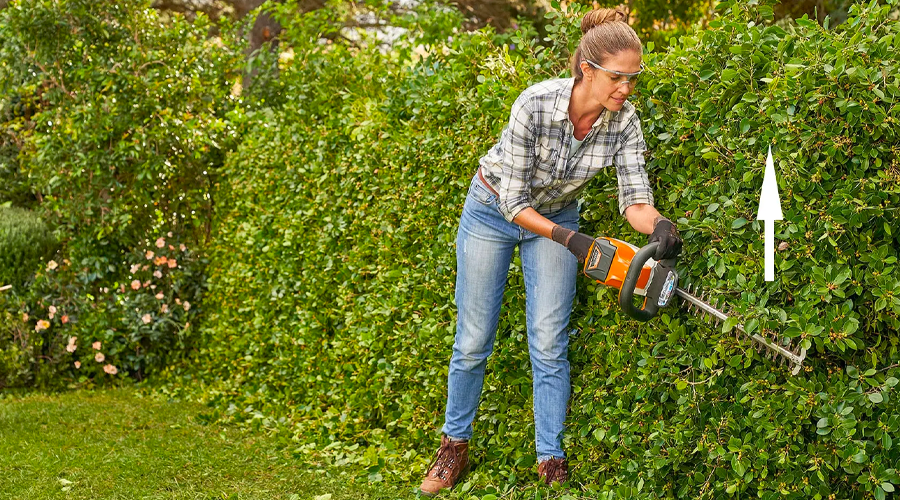
Credit: www.hirepool.co.nz
Troubleshooting Common Issues
Using a hedge trimmer can lead to common problems like jammed blades or uneven cuts. Ensure power supply is secure, and keep blades sharp for smooth operation. Regular maintenance prevents most issues, keeping your garden neat and tidy.
Troubleshooting Common Issues with your hedge trimmer can save you time and frustration. Imagine this: you’re halfway through trimming your hedges, and your trusty tool suddenly stops working. What do you do? Knowing how to troubleshoot common problems can make the difference between a smooth gardening session and a frustrating ordeal. Let’s dive into some typical issues you might encounter and how to address them effectively.Motor Problems
Motor issues can be particularly vexing. If your trimmer doesn’t start, check the power source first. Is the battery charged or is the plug securely connected? You might also notice a lag in power. This could indicate a clogged air filter. A quick clean with a soft brush might restore full power. Sometimes, the motor could overheat. In this case, allow it to cool down before resuming work. This can prevent long-term damage to your trimmer.Blade Jamming
Blade jamming often occurs when debris gets stuck. Turn off the trimmer and inspect the blades for twigs or leaves. Removing these obstructions can usually solve the problem. Blades might jam due to dullness. Regularly sharpening the blades can maintain their efficiency. Consider setting a monthly reminder for this task. If the blades keep jamming, check for alignment issues. Misaligned blades can often be adjusted with a simple wrench.Uneven Cuts
Uneven cuts can be frustrating, especially after you’ve put in a lot of effort. Check if the blades are sharp and aligned. A dull blade won’t cut evenly, leaving your hedges looking shabby. Your cutting technique might also be the culprit. Hold the trimmer steady and move it in smooth, consistent motions. Lastly, ensure that you’re trimming at the right angle. Holding the trimmer too steeply can lead to inconsistent cuts. Adjust your approach and see the difference it makes. Have you ever encountered any of these issues? What tricks have you tried to solve them? Share your experiences and help fellow gardeners master their tools.Environmental Considerations
When using a hedge trimmer, think about its environmental impact. By being mindful, you can reduce harm to the environment. Let’s explore key environmental aspects.
Noise Pollution
Hedge trimmers can be quite loud. Loud tools disturb both people and wildlife. Choose models known for quiet operation. Electric trimmers often make less noise. Use them in residential areas to keep peace. Consider using ear protection for safety.
Fuel Efficiency
Fuel-powered trimmers use gas, which affects the environment. Pick models with better fuel efficiency. These models burn less fuel and reduce emissions. Regular maintenance improves efficiency. Keep blades sharp and engines tuned. It saves fuel and cuts pollution.
Eco-friendly Options
Electric trimmers are eco-friendly. They produce no emissions during use. Corded models need a power source. Battery-powered trimmers offer more flexibility. Check battery life and recharge time. Solar-powered options are emerging, using renewable energy. Choose sustainable options for a greener garden.
Frequently Asked Questions
How To Use Hedge Trimmers For Beginners?
Begin by wearing safety gear. Check the trimmer’s condition. Hold it firmly with both hands. Trim small sections at a time. Follow the shape of the hedge for even trimming. Keep the trimmer’s cord behind you to avoid accidents. Turn off and clean the trimmer after use.
How Do You Trim Hedges For Beginners?
Start by choosing the right tools, like hedge trimmers or pruning shears. Begin trimming from the bottom up, following the hedge’s natural shape. Keep your cuts even and consistent. Regularly step back to check symmetry. Always trim during the growing season for healthy hedges.
How To Trim A Bush With A Hedge Trimmer?
Use a hedge trimmer for clean cuts. Begin trimming from the bottom, moving upwards in smooth strokes. Shape the bush evenly, maintaining symmetry. Keep blades sharp for precise trimming. Regularly clean off debris from the trimmer. Always wear protective gloves and goggles for safety during the process.
When Should You Not Trim Your Hedges?
Avoid trimming hedges during bird nesting season, typically from March to August. Pruning during winter may also damage plants. Always check local guidelines to protect wildlife and promote healthy growth. Trim in late summer or early autumn for best results.
Ensure tools are sharp for clean cuts.
Conclusion
Mastering hedge trimming takes practice and patience. Start with small projects first. Keep safety as your priority. Wear gloves and goggles for protection. Learn to hold the trimmer correctly. This improves control and precision. Clean your trimmer after each use.
This prevents rust and damage. Regular maintenance boosts performance. Trim hedges when they need it. Over-trimming can harm plants. Enjoy your neat and tidy garden. Make trimming a fun activity. Embrace the process and watch your skills grow. Happy trimming!