Are you tired of dealing with a sluggish engine, poor fuel efficiency, or persistent misfires? If so, your fuel injectors might be the culprit.
But don’t worry—testing them doesn’t require a trip to the mechanic. With a multimeter in hand, you can diagnose and troubleshoot your fuel injectors all by yourself. Imagine the satisfaction of solving this issue without breaking the bank. In this guide, you’ll discover a simple, step-by-step method to test your fuel injectors using a multimeter, empowering you to regain control over your vehicle’s performance.
Ready to dive in and unleash your inner car expert? Let’s get started!
Fuel Injector Basics
Fuel injectors play a crucial role in engine performance. They deliver fuel to the engine in a precise manner. This precision ensures efficient combustion. Proper functioning of fuel injectors is vital. It maintains engine power and fuel efficiency. Understanding their basics helps in troubleshooting problems.
Functions Of Fuel Injectors
Fuel injectors spray fuel directly into the engine cylinders. They control the amount and timing of fuel delivery. This ensures optimal air-fuel mixture for combustion. Fuel injectors help maintain engine temperature. They also reduce harmful emissions. Properly functioning injectors enhance vehicle performance.
Common Signs Of Faulty Injectors
Spotting faulty injectors early prevents major issues. Engine misfires are a common symptom. You might notice rough idling. Poor fuel economy could also indicate injector problems. Black smoke from the exhaust is another sign. The check engine light might illuminate. Address these signs promptly to avoid engine damage.

Credit: www.youtube.com
Multimeter Essentials
Testing fuel injectors with a multimeter is essential for vehicle maintenance. Understanding your multimeter’s capabilities ensures accurate readings. A multimeter can measure voltage, resistance, and current. These functions help diagnose injector issues effectively.
Types Of Multimeters
Multimeters come in two main types: analog and digital. Analog multimeters use a needle and scale to display readings. They are less common but can be useful for specific tasks. Digital multimeters are more popular due to their precise readings. They display measurements on a digital screen, making them easier to read.
Key Features For Testing
When testing injectors, certain features are crucial. Look for a multimeter with auto-ranging. This feature adjusts the range automatically, simplifying the process. A clear display is vital for reading results accurately. Ensure the multimeter can measure resistance, as injectors often require this test. Lastly, consider the durability. A sturdy multimeter withstands frequent use and ensures long-term reliability.
Preparation For Testing
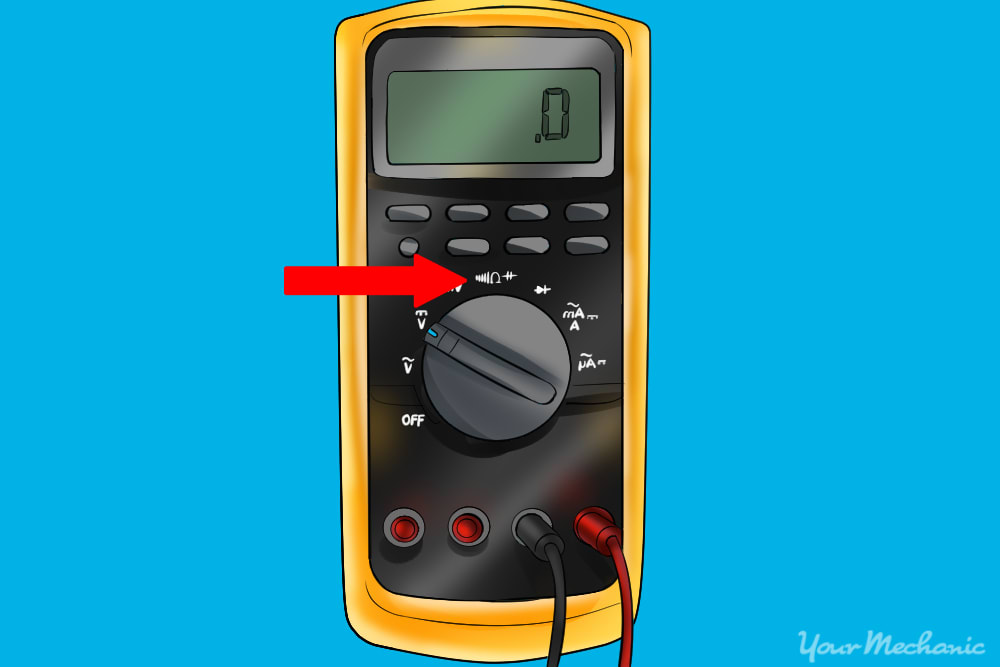
Testing fuel injectors with a multimeter ensures your vehicle runs smoothly. Start by setting the multimeter to the ohms setting. Check the resistance of each injector, comparing it to the manufacturer’s specifications.
To accurately test fuel injectors with a multimeter, proper preparation is key. Ensuring safety and gathering the right tools is crucial. This section guides you through essential steps. Learn how to prepare effectively for this task.Safety Precautions
Safety is the top priority in any testing procedure. Always work in a well-ventilated area. Fuel vapors can be harmful. Wear protective gloves and safety goggles to protect your skin and eyes. Ensure the vehicle is on a stable surface. Turn off the engine and remove the keys from the ignition. Disconnect the battery to prevent electrical hazards. Keep a fire extinguisher nearby for emergencies. Always follow these precautions to minimize risks.Required Tools And Equipment
A multimeter is the primary tool for this task. Ensure it functions correctly before starting. Choose a multimeter with ohm measurement capability. Gather a set of screwdrivers to access the fuel injectors. You may need a wrench set for removing any bolts or connectors. Have a notepad and pen ready to record your measurements. A flashlight can help illuminate hard-to-see areas. Keep a clean cloth handy to wipe any fuel spills. Ensure all tools are within reach to avoid unnecessary delays.Testing Procedure
Testing fuel injectors with a multimeter is essential for maintaining engine performance. This procedure helps diagnose issues with the injectors, ensuring smooth operation. Follow these steps to accurately test fuel injectors using a multimeter.
Checking Resistance
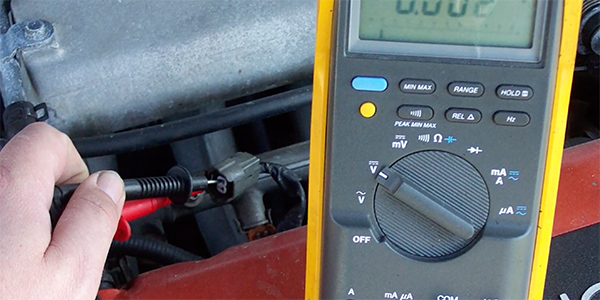
Start by checking the resistance of the fuel injectors. Set your multimeter to the ohms setting. Connect the probes to the injector terminals. Normal resistance ranges between 10 to 18 ohms. If the reading falls outside this range, it indicates a malfunction.
Voltage Testing
Next, perform a voltage test on the injectors. Set the multimeter to DC voltage mode. Turn on the ignition without starting the engine. Connect the multimeter probes to the injector terminals. Voltage should register between 12 to 13 volts. A deviation might signal electrical issues.
Interpreting Results
Understanding the results is crucial for effective diagnostics. Resistance readings below 10 ohms suggest a short circuit. Readings above 18 ohms indicate an open circuit. Voltage below 12 volts may point to wiring problems. High voltage readings often mean faulty injector coils.
Troubleshooting Tips
Testing fuel injectors with a multimeter can seem complex. Troubleshooting tips simplify the process for effective results. Detecting issues early saves time and money. Follow these straightforward tips for a smooth experience.
Common Issues And Fixes
Fuel injectors often face common issues. Blockages in the injector can occur. Check for dirt or debris using a multimeter. Low resistance readings might indicate this problem. Clean the injectors carefully to solve the issue.
Electrical issues are another concern. Faulty wiring can lead to incorrect readings. Ensure all connections are tight and secure. Use the multimeter to verify wire continuity. Replace damaged wires promptly to restore function.
When To Seek Professional Help
Sometimes problems go beyond simple fixes. Strange noise from the engine might indicate deeper issues. If the multimeter readings are inconsistent, consider expert assistance. Professionals have tools and experience for complex problems.
Persistent fuel inefficiency is a warning sign. If basic troubleshooting fails, a mechanic’s insight is valuable. They can identify hidden issues with precision. Seeking help ensures accurate diagnosis and repair.
Credit: www.yourmechanic.com
Maintenance Practices
Maintenance practices play a crucial role in the performance of fuel injectors. Regular checks ensure they function efficiently, providing optimal engine performance. Proper care can help prolong their lifespan and prevent costly repairs. Understanding how to maintain injectors can save time and money.
Regular Inspection Tips
Inspect fuel injectors routinely for any signs of wear or damage. Look for leaks around the injector area. This could indicate a faulty seal or connection. Check for unusual noises coming from the injector. These could signal a malfunction or clog. Use a multimeter to test the injector’s electrical resistance. Ensure it falls within the manufacturer’s recommended range. Cleaning injectors regularly can prevent buildup of deposits. This can improve fuel efficiency and engine performance.
Prolonging Injector Life
Use high-quality fuel to reduce contaminants in the injectors. Consider adding fuel additives to keep injectors clean. This can enhance performance and longevity. Regularly replace the fuel filter to prevent clogs. A clean filter ensures smooth fuel flow to the injectors. Maintain a consistent engine oil change schedule. Clean oil helps keep injectors functioning properly. Avoid running the engine on low fuel. This can cause air to enter the fuel system, affecting injectors.
Credit: www.underhoodservice.com
Frequently Asked Questions
How To Test Injectors With A Multimeter?
Set the multimeter to measure resistance. Disconnect the injector connector. Place probes on injector terminals. Check for resistance within the specified range. Replace if outside the range.
How Do You Check If A Fuel Injector Is Bad?
Listen for engine misfires, rough idling, or poor acceleration. Check fuel consumption and emissions. Inspect for leaks. Test injectors with a multimeter for electrical issues. Use a professional diagnostic tool for precise analysis.
Can You Test A Fuel Injector By Unplugging It?
Unplugging a fuel injector can help diagnose issues. Listen for engine changes or misfires to determine problems. Use a multimeter for precise testing.
What Is The Average Resistance Of A Fuel Injector?
The average resistance of a fuel injector typically ranges from 12 to 17 ohms. Ensure compatibility with your vehicle’s specifications for optimal performance. Always consult your vehicle’s manual or a professional mechanic for precise information regarding fuel injector resistance.
Conclusion
Testing fuel injectors with a multimeter is essential for car health. This process helps identify issues early. Regular checks prevent costly repairs. Multimeters offer precise measurements. They ensure injectors function properly. Follow the steps carefully for accurate results. Safety is key; handle tools with care.
Understanding readings is crucial for diagnosis. Keep your vehicle running smoothly with routine maintenance. A little effort keeps problems at bay. Save time and money by catching faults early. Your car’s performance depends on healthy injectors. A simple test can make a big difference.
Stay proactive and ensure your ride stays reliable.