Are you planning a home renovation or a DIY project that involves granite? This durable and stunning natural stone is a favorite for countertops, floors, and decorative features.
But, drilling a hole in granite can seem daunting, especially if you’re new to this kind of task. You might be worried about cracks, chips, or even ruining a costly piece of stone. Fear not! With the right tools and techniques, you can achieve a clean and precise hole without any mishaps.
Imagine the satisfaction of completing your project with professional-looking results! Stay with us as we delve into the step-by-step process, tips, and tricks that will empower you to tackle this task with confidence and ease.

Credit: housebythepreserve.com
Tools Required For Drilling Granite
Drilling a hole in granite requires specific tools like a diamond drill bit, a power drill, and water for cooling. Ensure steady pressure and maintain the drill’s angle to prevent cracks. Proper safety gear, including goggles and gloves, is essential for protection during the process.
Drilling a hole in granite requires specific tools. Granite’s hard nature demands precision and the right equipment. Using inappropriate tools can cause damage or accidents. Here, we’ll explore essential tools needed to drill granite safely and effectively.Diamond Drill Bits
Diamond drill bits are crucial for granite. They cut through stone with precision. Their durability makes them ideal for hard surfaces. These bits have diamond powder, which increases their cutting ability. Always choose the right size for your project. This ensures smooth drilling without cracks.Electric Drill Options
An electric drill is necessary for drilling granite. It provides the power needed for tough materials. Opt for a hammer drill or rotary drill. These types offer the right force for hard surfaces. Ensure the drill has adjustable speed settings. This lets you control the drilling process better.Coolant And Lubricants
Coolants and lubricants are vital when drilling granite. They prevent overheating and reduce friction. Water is a common coolant choice. It keeps the drill bit cool and extends its life. Always apply lubricant steadily. This ensures smooth, efficient drilling without damage.Preparing Granite For Drilling
Granite is a tough stone. Drilling into it requires proper preparation. This ensures clean and accurate results. Follow these steps to get started.
Marking The Drilling Spot
Begin by choosing where to drill. Use a pencil to mark the spot. Ensure your mark is clear and visible. Double-check the measurement. Correct placement is crucial for accuracy.
Securing The Granite Surface
Place the granite on a stable surface. Use clamps to hold it firmly. This prevents any movement during drilling. A stable surface ensures precision. Check the clamps for tightness.
Safety Precautions
Wear protective eyewear to shield your eyes. Use gloves to protect your hands. Ensure the drill is in good condition. Check its settings and battery. Safety reduces the risk of accidents.
Step-by-step Drilling Process
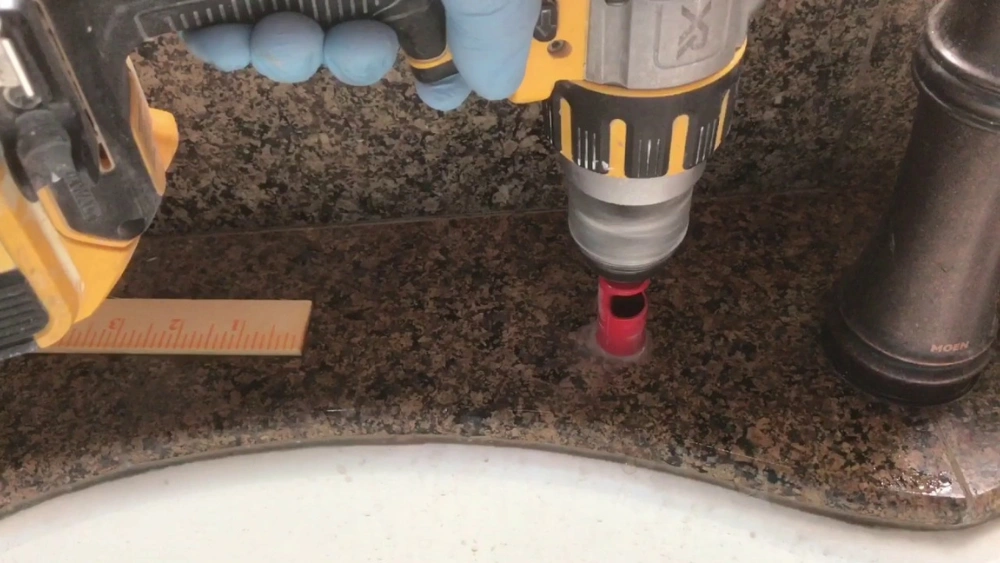
Drilling a hole in granite requires patience and precision. Begin by marking the spot with a pencil. Use a diamond-tipped drill bit for best results. Apply consistent pressure while drilling, and keep the drill bit cool with water.
Drilling a hole in granite can seem daunting. With the right steps, it’s straightforward. The process requires patience and precision. Using the correct tools is essential. Let’s dive into the details of the drilling process.Setting Up The Drill
Start by choosing a carbide-tipped drill bit. These are designed for hard stone like granite. Attach the drill bit securely to your power drill. Adjust the drill to a suitable speed setting. Ensure the drill is plugged in and functional. Position the drill perpendicular to the granite surface. It’s crucial for accuracy and control. Use a clamp if necessary to steady the granite.Starting The Drill At Low Speed
Begin drilling at a low speed. This prevents overheating and bit damage. Press the drill gently against the granite surface. Allow the drill bit to engage with the stone. Slow and steady wins the race here. It’s important to maintain control. Increase speed gradually as the bit penetrates.Applying Consistent Pressure
Maintain a steady pressure on the drill. Avoid pressing too hard. It could damage the drill bit or granite. Let the drill’s weight do the work. Consistent pressure ensures a clean, precise hole. Monitor the drill’s progress regularly. Adjust your pressure if needed.
Credit: housebythepreserve.com
Maintaining The Drill And Bits
Drilling a hole in granite requires precision and care. Use a diamond-tipped drill bit for best results. Keep the drill steady and apply water to prevent overheating.
Maintaining the drill and bits is crucial for efficient granite drilling. Proper care extends the lifespan of your tools. It also ensures smooth and precise drilling. Regular maintenance minimizes the risk of damage. It saves money on repairs or replacements. Here are some essential tips for keeping your drill and bits in top shape.Cleaning The Drill Bits
Granite dust accumulates on drill bits. This affects their performance. Clean them after every use. Use a soft brush or cloth. Remove dust and debris gently. Avoid harsh chemicals. They may damage the bits. Warm, soapy water works well. Rinse thoroughly to prevent residue buildup.Inspecting For Wear And Tear
Regular inspection is necessary. Check for any signs of wear. Look for dull edges or cracks. These can hinder drilling performance. Replace damaged bits immediately. Examine the drill itself. Listen for unusual sounds. They may indicate internal issues. Address problems promptly to avoid costly repairs.Proper Storage Techniques
Store your drill and bits correctly. Keep them in a dry place. Moisture can cause rust. Use a designated toolbox. It protects against accidental damage. Organize bits by size and type. This helps in quick retrieval. Store drills in their cases. It prevents dust accumulation and preserves their condition.Troubleshooting Common Issues
Drilling a hole in granite can be challenging. It demands precision and care. While working, you may encounter some common issues. These problems can affect the quality of your work. Understanding these issues is essential to achieving a perfect hole.
Dealing With Overheating
Overheating is a frequent problem. It happens when the drill bit gets too hot. This can damage both the bit and the granite. To prevent overheating, use water to cool the bit. Water reduces friction and keeps the bit temperature down. Regularly check the drill speed. High speeds can increase heat quickly. Lower speeds help maintain a cooler bit.
Handling Cracks And Chips
Cracks and chips can ruin your project. They usually occur from excessive force or incorrect positioning. Use light pressure while drilling. Applying too much force can cause damage. Ensure the drill bit is sharp and in good condition. A dull bit requires more force, leading to cracks. Position the drill correctly and ensure it is stable. This reduces the risk of chips forming.
Adjusting For Misalignment
Misalignment can lead to uneven holes. This happens when the drill moves during operation. Secure the drill properly before starting. Use clamps to keep it steady. Double-check the alignment before drilling. A slight tilt can affect the hole’s accuracy. If you notice misalignment, stop immediately. Realign the drill and start again.
Credit: www.youtube.com
Safety Tips For Granite Drilling
Drilling granite requires special care and tools. Ensure proper safety gear, including gloves and goggles, to protect yourself. Use a diamond-tipped drill bit and steady, controlled pressure for precision and safety.
Drilling through granite requires careful attention and preparation. This natural stone is hard and durable, which makes it challenging to work with. Prioritizing safety is crucial to prevent accidents and ensure a smooth drilling process. Following these safety tips will help protect you and maintain the quality of your work.Protective Gear Recommendations
Wearing the right protective gear is essential. Safety goggles shield your eyes from flying debris. Dust masks prevent inhalation of fine particles. Sturdy gloves offer grip and protect your hands. Use ear protection to reduce noise exposure. Proper footwear prevents slips and supports your feet.Emergency Procedures
Be prepared for emergencies. Keep a first aid kit nearby for minor injuries. Know the location of the nearest phone to call for help. Familiarize yourself with fire extinguisher use. Ensure all electrical tools have safety features. Always have a plan for unexpected situations.Ensuring A Clean Work Environment
A clean workspace reduces accidents and improves efficiency. Clear the area of unnecessary items. Ensure proper lighting for better visibility. Use vacuum attachments to minimize dust. Organize tools and equipment for easy access. Maintain a tidy environment for a safer workspace.Frequently Asked Questions
What Kind Of Drill Bit Do You Use For Granite?
Use a diamond-tipped drill bit for granite. These bits offer durability and precision. Ensure proper cooling with water. Avoid excessive pressure to prevent damage. Diamond bits are ideal for smooth and efficient drilling through hard surfaces like granite. Always wear safety gear when drilling.
How Do You Drill Into Granite Without Cracking It?
Use a diamond-tipped drill bit for granite. Keep the drill at a low speed. Apply steady pressure without forcing it. Regularly pour water to cool the bit and reduce dust. Ensure the granite is securely clamped to prevent movement.
How Do You Make A Hole In Granite?
Use a diamond-tipped drill bit and a drill designed for stone. Mark the spot, apply water, and drill slowly. Keep the drill steady to prevent cracks.
What Size Hole Do You Drill For A Faucet In Granite?
Drill a hole of 1 3/8 inches (35 mm) for most standard faucets in granite countertops. Ensure precise measurements for proper installation. Always check manufacturer specifications for exact requirements. Use a diamond drill bit for clean cuts in granite. Proper alignment prevents leaks and ensures functionality.
Conclusion
Drilling granite requires patience and the right tools. Start by marking your spot. Use a diamond-tipped drill bit for best results. Keep the drill steady and apply gentle pressure. Cooling the drill bit with water prevents overheating. Always wear safety gear to protect yourself.
Practice makes perfect. Each step gets easier with time. Granite is tough, but you can handle it. With these tips, you’ll achieve clean holes. Happy drilling!