Have you ever stared at a beautiful piece of glass, wondering how to create a precise hole in it without causing a crack? Perhaps you’re looking to start a DIY project, or maybe you need to replace a broken windowpane.
Whatever your reason, drilling a hole in glass might seem daunting at first. But don’t worry; you’re about to discover how surprisingly simple it can be with the right tools and techniques. This guide will not only walk you through the process step-by-step but also reveal insider tips that will boost your confidence and ensure your success.
Curious? Keep reading, and you’ll find all the answers you need to transform your glass drilling fears into a newfound skill.
Tools And Materials
Drilling a hole in glass requires precise tools and materials. The right equipment ensures a smooth process and prevents damage. Understanding the essentials helps achieve the best results.
Essential Tools
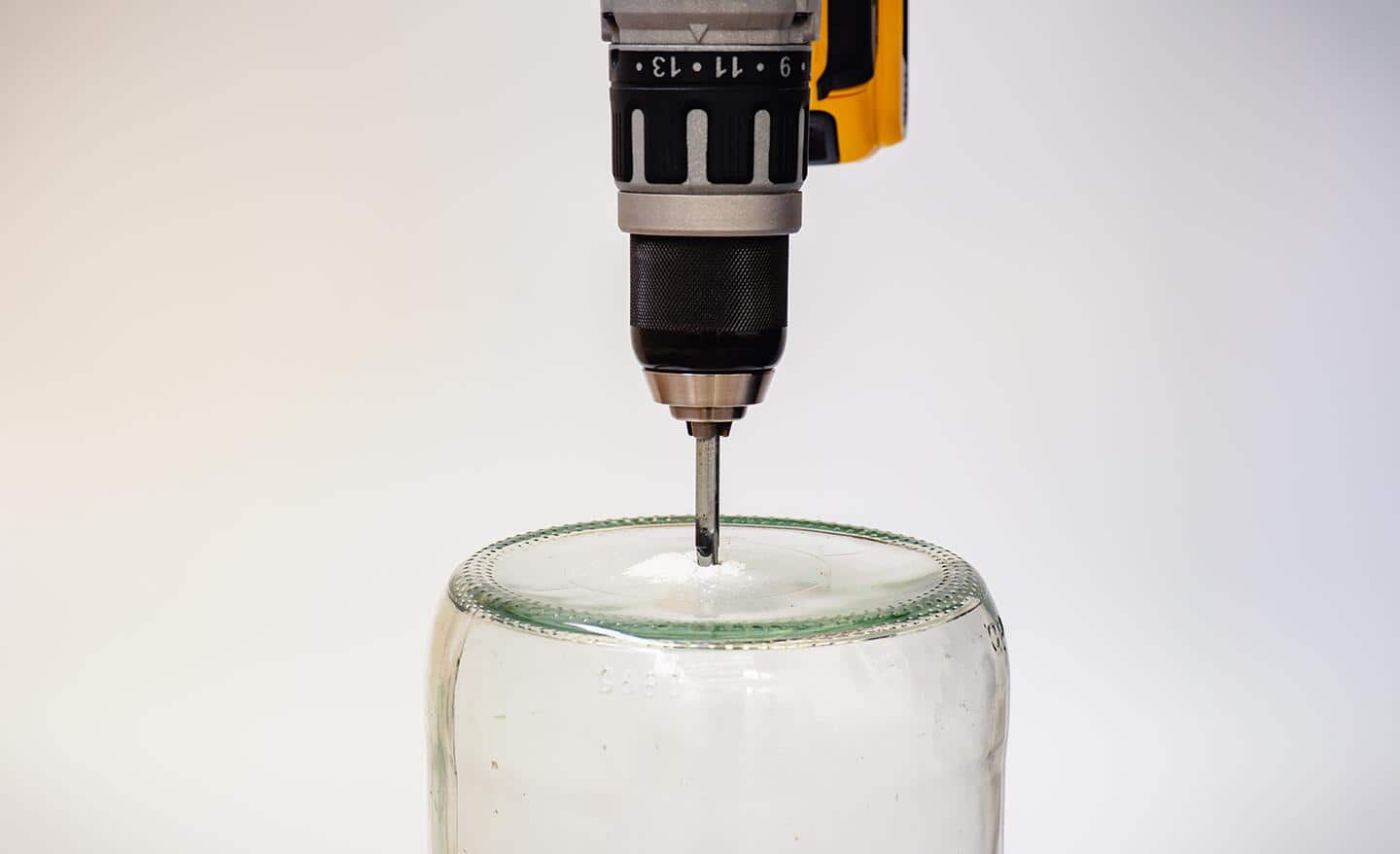
A drill is the primary tool for glass drilling. Choose a variable-speed drill for control. A drill press offers stability and precision. Use a sponge to support the glass. It absorbs vibrations and prevents breakage.
Choosing The Right Drill Bit
Special drill bits are necessary for glass. Diamond-tipped bits are ideal for hard surfaces. Carbide bits work for softer glass types. Ensure the bit matches the glass thickness.
Safety Gear
Safety gear protects you during drilling. Wear safety glasses to shield your eyes. Glass fragments can fly unexpectedly. Gloves prevent cuts and improve grip. A dust mask protects from inhaling particles.
Credit: www.homedepot.com
Preparation Steps
Gather necessary tools like a drill, glass bit, and safety gear. Mark the spot with a marker. Place the glass on a stable surface, using clamps if needed, to prevent movement.
Drilling a hole in glass might sound daunting, but with the right preparation, it can be a straightforward task. Preparation is crucial to ensure the glass doesn’t crack or shatter during the drilling process. With careful planning and attention to detail, you can achieve a clean hole without damaging the material. Let’s dive into the essential preparation steps.Selecting The Glass
Begin by choosing the right type of glass for your project. Are you working with tempered glass or standard glass? It’s important to know because tempered glass is designed to shatter if drilled. Standard glass is more forgiving and ideal for drilling. Consider the thickness; thinner glass is easier to drill but can be fragile. If you’re unsure, consult the glass supplier for recommendations based on your needs.Marking The Drill Spot
Once you’ve selected your glass, it’s time to mark where you’ll drill. Precision is key here. Use a non-permanent marker or a piece of masking tape to mark the spot. A tip from my personal experience: measure twice, mark once. This extra step saves you from costly errors. Ensure the mark is clear and visible, as you’ll need to see it when you’re drilling.Securing The Glass
Now, let’s talk about securing the glass. You want the glass to be stable to prevent movement during drilling. Use a clamp or a vice to hold the glass in place. Place a soft cloth or rubber mat underneath to cushion and avoid scratches. Is your workspace steady? A shaky table can lead to mishaps, so double-check stability before proceeding. Taking time with these preparation steps not only makes the drilling process smoother but also safeguards your glass and tools. Have you ever underestimated the importance of preparation in a DIY project? It’s a lesson learned quickly when things go awry.Drilling Techniques
Drilling a hole in glass requires precision and care. Using the right techniques ensures a clean result. It also prevents damage to the glass. Let’s explore key methods for successful glass drilling.
Proper Speed And Pressure
Drill slowly to avoid cracking the glass. Use a variable-speed drill for better control. Start with a low speed, increasing gently as you drill. Consistent, light pressure is vital. Pressing too hard can shatter the glass. Maintain a steady hand for a smooth hole.
Using A Coolant
Heat can damage glass during drilling. Using a coolant keeps the temperature low. Water is a common choice for cooling. Apply it constantly to the drilling area. This reduces friction and prevents overheating. A damp sponge can also help maintain moisture.
Avoiding Cracks
Cracks can ruin your glass project. Use masking tape where you plan to drill. It provides extra support and reduces vibrations. Drill from both sides of the glass for a clean finish. Stop frequently to check for any cracks forming. Regular checks help catch problems early.

Credit: www.youtube.com
Post-drilling Care
Drilling glass requires careful handling to prevent cracks. After drilling, smooth the edges with sandpaper to avoid sharpness. Clean the glass thoroughly to remove any dust or debris.
After successfully drilling a hole in glass, careful attention is crucial. Proper care ensures the glass remains intact and safe. This process involves three main steps: smoothing the edges, cleaning the glass, and inspecting for flaws. Each step is vital for maintaining the glass’s integrity and appearance.Smoothing The Edges
The drilling process often leaves rough edges. These edges can be sharp and hazardous. To smooth them, use a fine-grit sandpaper or a diamond file. Gently rub the edges until they feel smooth. This reduces the risk of cuts and enhances the glass’s aesthetic appeal.Cleaning The Glass
Dust and debris accumulate during drilling. Cleaning is essential to remove these particles. Use a soft, damp cloth to wipe the surface. Avoid using harsh chemicals; they can damage the glass. Ensure the glass is thoroughly dry to prevent streaks.Inspecting For Flaws
After cleaning, inspect the glass for any cracks or chips. Hold the glass up to a light source. Look closely at the drilled area. Flaws can compromise the glass’s strength. If you find any, consider repairing or replacing the glass. Regular inspection ensures the glass remains safe and durable.Safety Precautions
Drilling holes in glass requires careful attention to safety precautions. Glass can be fragile and dangerous if not handled correctly. Proper safety measures protect both you and the glass. This section guides you on handling glass safely, protecting yourself, and emergency tips.
Handling Glass Safely
Always wear gloves when touching glass. Gloves prevent cuts from sharp edges. Use a clean, flat surface for the glass. This helps avoid accidental slips or breaks. Check for cracks before drilling. Cracked glass can shatter easily. Keep the workspace tidy and free from clutter.
Protecting Yourself
Safety goggles are essential. They shield your eyes from flying glass shards. Use ear protection if the drilling noise is loud. Loud sounds can damage your hearing over time. Wear a dust mask while drilling. This helps avoid inhaling glass dust. Ensure proper lighting in your workspace. Good lighting prevents mistakes.
Emergency Tips
Keep a first aid kit nearby. Treat minor cuts immediately. If glass breaks, stay calm. Clear the area of people and pets. Use a broom to clean up shards safely. Sweep slowly to avoid scattering glass. Know emergency contact numbers. This is crucial if injuries occur.
Credit: www.youtube.com
Troubleshooting Common Issues
Drilling a hole in glass requires patience and the right tools. Use a diamond drill bit for best results. Ensure the glass is securely clamped to prevent movement during drilling.
Drilling a hole in glass can be a challenging task, even for those who have some experience. As with any DIY project, you might run into some common issues that can make the process frustrating. By understanding these problems and knowing how to address them, you can achieve a smooth and successful drilling experience. Let’s delve into some of the most frequent challenges and how you can overcome them.Dealing With Breakage
Breakage is perhaps the most common issue when drilling glass. It can be heart-wrenching to see your precious piece shatter. To prevent this, ensure you’re using a diamond-tipped drill bit designed for glass. Always keep the glass cool by applying a steady stream of water. This reduces friction and the risk of cracks. If you notice any small cracks forming, stop immediately and reassess your setup before continuing.Correcting Off-center Holes
Drilling off-center can ruin the symmetry of your project. To avoid this, mark the spot clearly with a permanent marker or masking tape. Start with a smaller pilot hole to ensure accuracy before using the final bit size. If you find the hole is still off-center, slightly adjust your angle and gently correct it with the drill. Remember, precision is key to a neat outcome.Adjusting Drill Speed
Drill speed plays a crucial role in successful glass drilling. Too fast, and you risk overheating and breaking the glass. Too slow, and the bit may not engage effectively with the surface. Begin with a low speed setting. Gradually increase if you feel the drill isn’t cutting efficiently. Listen to the sound of the drill—it’s often a good indicator of whether you’re at the right speed. Are you paying close attention to the drill’s feedback? By addressing these common issues, you can improve your glass drilling skills. It’s not just about the tools you use, but how you adapt to challenges that come your way. What other problems have you faced, and how did you overcome them? Share your experiences and let’s learn together.Frequently Asked Questions
Can I Drill Glass With A Regular Drill Bit?
Drilling glass requires a specialized drill bit, typically a diamond or carbide-tipped one. Regular drill bits can crack or shatter glass. Ensure slow speed and use water to cool the drill bit, preventing damage. Always wear protective gear for safety while drilling glass.
What Is The Best Drill Bit For Drilling Glass?
The best drill bit for glass is a diamond-tipped or carbide-tipped drill bit. These ensure smooth, precise drilling without breaking the glass. Use water or lubricant to cool the bit and prevent overheating. Always drill at a low speed for safety and accuracy.
Can A Dremel Drill A Hole In Glass?
Yes, a Dremel can drill a hole in glass. Use a diamond-tipped bit and keep the speed low. Apply light pressure and cool the glass with water to prevent cracking. Ensure safety by wearing protective eyewear and gloves.
What Is The Best Lubricant For Drilling Glass?
Use water as the best lubricant for drilling glass. It cools the drill bit, minimizing breakage. Add a drop of dish soap for improved lubrication. This combination ensures smoother drilling and reduces friction. Always maintain consistent lubrication to protect the glass surface.
Conclusion
Drilling holes in glass can seem tricky. But it’s doable with care. Use the right tools. A diamond drill bit works best. Steady hands are essential. Keep the drill speed slow. Lubrication helps prevent cracks. Remember to wear safety glasses.
Patience is key. Rushing may lead to breakage. Glass can be delicate. Practice makes perfect. Start with a scrap piece first. Once confident, proceed to your project. Drilling glass adds versatility to your crafts. Enjoy the process. With these steps, you can succeed.
Happy crafting!